

U.S. Gas Prices at $4.42 as Iran Conflict and Midterm Elections Collide
Emergency state tax cuts, federal export bans, and refinery meetings underscore the political scramble as pump averages defy normal autumn declines.
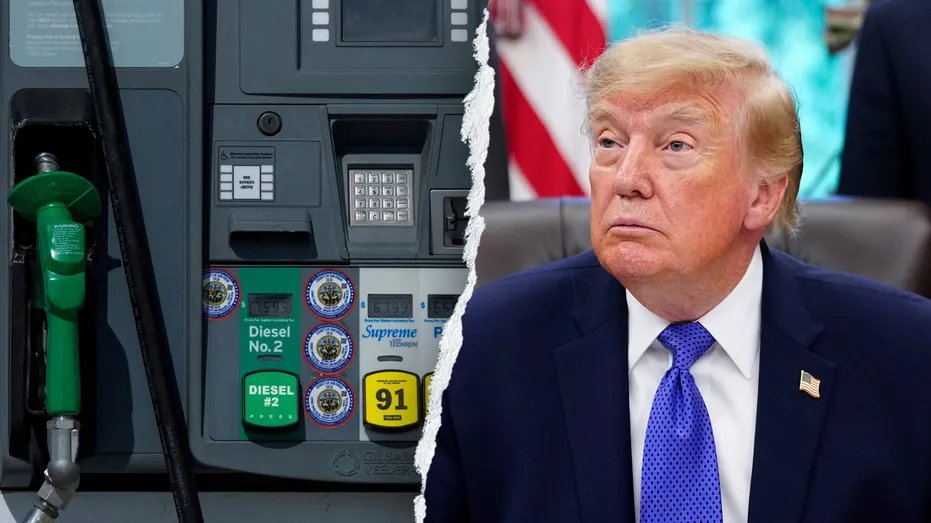
Seven months of geopolitical turmoil have kept U.S. gasoline prices locked near $4.42 a gallon heading into October, erasing the typical autumn relief drivers expect and transforming fuel costs into a central flashpoint weeks before the 2026 midterm elections.
The national average, tracked by GasBuddy, remains stubbornly elevated compared to historical fall trends. Normally, pump prices begin a steady descent after Labor Day as refineries switch from expensive summer-blend gasoline to cheaper winter formulations and seasonal driving demand evaporates. This year, that transition has stalled. The ongoing military conflict between the United States and Iran, combined with continued hostilities between Ukraine and Russia, injected a massive risk premium into global crude markets earlier in the year that has yet to fully dissipate.
Voter anxiety reflects the sustained squeeze. A Fox News poll conducted in mid-September found that 61% of registered voters consider gas prices a major personal problem, a sharp increase from 48% two years prior. That level of financial frustration historically punishes the party holding the White House and Congress. In 2022, Democrats lost their narrow House majority after summer pump averages briefly breached $5 a gallon following Russia’s invasion of Ukraine. Republicans, who currently control both chambers, face an identical structural vulnerability as early voting begins in states like Illinois.



The political response has fractured across federal and state lines, producing a patchwork of emergency interventions rarely seen outside of acute supply crises. The Trump administration is actively weighing a ban on diesel exports to keep more distillate fuel inside domestic borders. Such a move would attempt to cool wholesale diesel prices, which directly influence freight and agricultural transport costs. However, export bans carry significant risks. Restricting outbound shipments can deter future refinery investments and provoke retaliatory trade measures from importing nations, potentially destabilizing global energy markets further.
At the state level, governors are bypassing federal gridlock. Indiana and Georgia have moved toward temporary gas tax relief, with Ohio exploring similar legislation. California Gov. Gavin Newsom took a different regulatory approach, waiving the state’s strict seasonal fuel requirements to allow cheaper, out-of-specification gasoline to flow into local terminals faster.
These state-level waivers target a specific bottleneck. California operates as an isolated fuel market due to its unique environmental blending mandates. When local refineries experience unplanned outages, the state cannot easily import standard gasoline from neighboring regions or overseas without regulatory exemptions, leading to extreme price spikes that often drag the national average upward.
Diesel costs present a separate, compounding threat to the broader economy. Because commercial trucking and freight rail rely almost entirely on diesel, prolonged price elevation at the pump translates directly into higher transportation surcharges for retailers and grocery chains. Logistics executives have warned that sustained diesel costs above current levels risk triggering a cascading increase in food prices just as consumers are already stretched.

White House officials point to physical infrastructure expansion as the long-term solution. Spokeswoman Taylor Rogers confirmed that President Donald Trump recently hosted nearly a dozen oil refiners at the White House to discuss expanding domestic refining capacity. The U.S. has not built a new major oil refinery since 1977, relying instead on expansions of existing facilities. Increasing throughput capacity takes years of permitting and construction, offering no immediate relief for November voters but signaling an intent to address structural bottlenecks that leave the country vulnerable to global supply shocks.
The administration also cited U.S. military control over the Strait of Hormuz as a stabilizing factor. Approximately 20% of the world’s daily oil consumption transits through the narrow waterway off the coast of Iran. Disruptions there earlier in the conflict drove crude prices sharply higher. Recent indications that some oil tankers are successfully navigating the strait have helped pull crude futures down slightly from their peaks, though analysts caution the shipping corridor remains highly volatile.
GasBuddy head of petroleum analysis Patrick De Haan noted that while underlying seasonal tailwinds still favor a price decline through October and November, the trajectory depends entirely on whether the geopolitical tensions continue to ease or flare again. Crude oil prices have moderated somewhat as maritime traffic resumes in critical chokepoints, creating conditions where pump prices could finally begin to fall.
As of Wednesday, Oct. 1, early voting is underway in multiple states, with Election Day set for Nov. 3.






2 Comments