True Food Kitchen Files Chapter 11, Closes 12 Locations
The health-focused chain entered court protection with only two weeks of operating cash and $42.1 million in debt after years of strategic missteps.
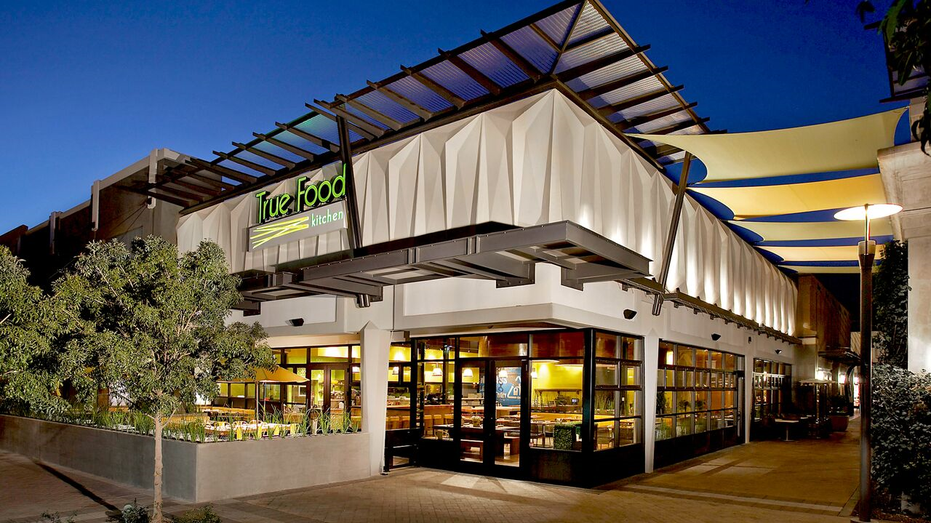
True Food Kitchen entered Chapter 11 bankruptcy protection Sunday with roughly $1.6 million in unrestricted cash — barely enough to fund two weeks of operations without emergency financing. The health-focused restaurant chain immediately shuttered 12 locations and is now racing to secure a buyer before its liquidity runs out entirely.
The closures span major metropolitan markets where commercial rents have surged since the pandemic. True Food Kitchen pulled out of Century City, El Segundo and San Diego UTC in California, along with restaurants in Miami, Chicago, New Orleans, Bethesda, Maryland, Edison and Hackensack, New Jersey, Garden City, New York, Columbus, Ohio, and Reston, Virginia. Thirty-four restaurants across 14 states remain open.
Court filings show the company carried approximately $42.1 million in funded debt obligations at the time of filing. To prevent an immediate shutdown, True Food Kitchen secured a commitment for roughly $20 million in debtor-in-possession financing from HumanCo TFK IV, pending approval by the bankruptcy court. DIP financing is standard in Chapter 11 cases, allowing distressed companies to pay vendors, maintain payroll and keep lights on while restructuring or marketing themselves to potential acquirers. Without it, most restaurant chains facing this level of cash depletion would be forced into Chapter 7 liquidation.

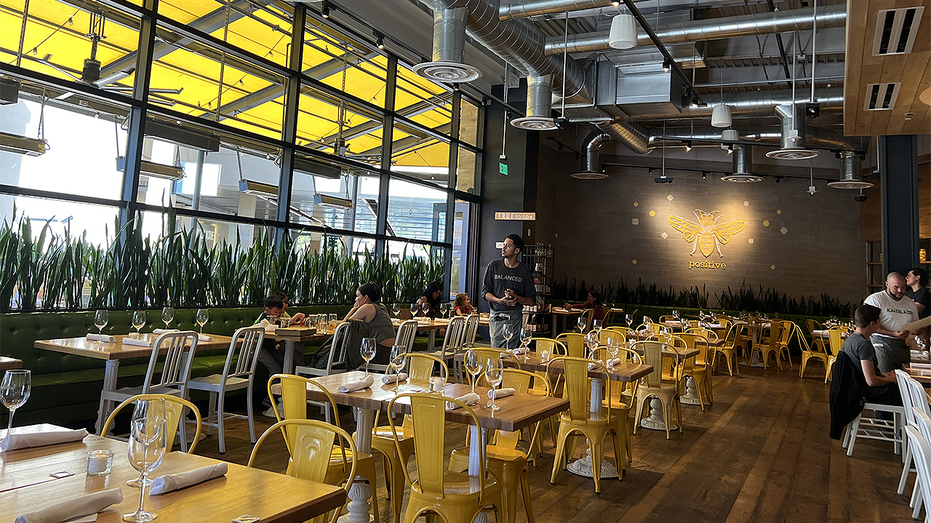
Chief Restructuring Officer Nathan Cook outlined a pattern of strategic drift that eroded the brand’s core identity. Successive leadership teams abandoned the chain’s original nutritional positioning, investing in new concepts and menu items that failed to resonate with diners. Management turnover accelerated the instability, triggering frequent pivots in expansion strategy and brand direction.
During the pandemic, when indoor dining restrictions decimated foot traffic nationwide, True Food Kitchen attempted to offset losses by converting some restaurants into ghost kitchens and opening a separate delivery-only facility. Those experiments degraded staffing levels and service quality at traditional locations. The company has since dismantled the ghost kitchen operations, but the damage to customer retention had already compounded.
This trajectory mirrors a broader crisis in the U.S. casual dining sector. Rising labor costs, volatile food commodity prices and shifting consumer spending habits have pushed multiple established chains into insolvency over the past two years. Red Lobster filed for bankruptcy in 2024 after a heavily discounted endless shrimp promotion generated massive losses, eventually restructuring under new leadership focused on nostalgia and operational efficiency. Other legacy brands have attempted aggressive rebranding efforts to reverse declining traffic, sometimes alienating loyal customers in the process. True Food Kitchen’s challenge differs slightly: as a premium concept built around anti-inflammatory ingredients and thoughtfully sourced produce, its price point leaves less margin for error when discretionary dining budgets tighten.
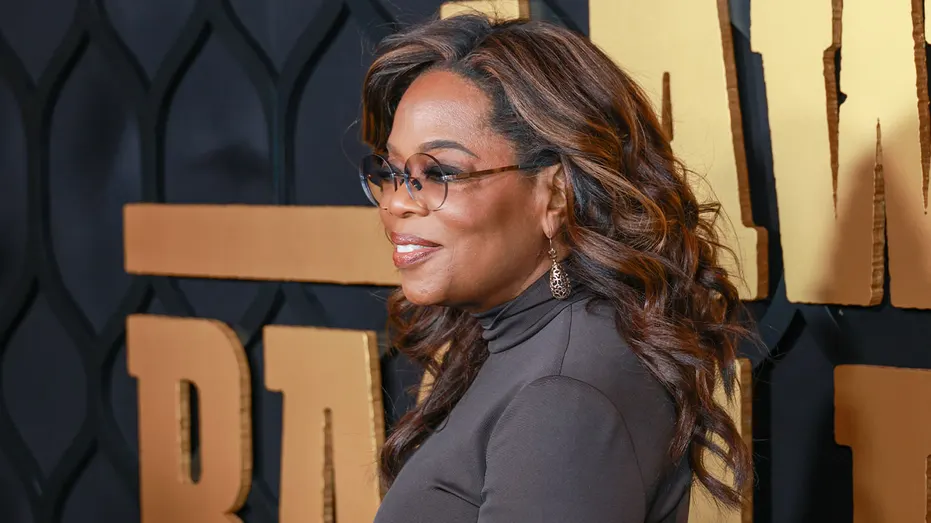
Oprah Winfrey injected significant equity into the company in 2018, joining the board during a period when then-CEO Christine Barone publicly targeted doubling the chain’s footprint within three years. That aggressive growth mandate never materialized. Winfrey remains a minority investor but currently holds no board seat and exercises no control over daily operations.
Jeff Chandler, who assumed the chief executive role in July, characterized the bankruptcy filing as a necessary reset rather than a terminal decline. Before seeking court protection, the company reduced corporate headcount, renegotiated vendor agreements and pursued modifications to its restaurant leases. Chandler acknowledged the toll on displaced workers, though the company did not disclose the total number of employees affected by the 12 closures.
Founded in Phoenix in 2008, True Food Kitchen built its initial following by catering to consumers seeking meals aligned with specific dietary philosophies, including plant-based, gluten-free and anti-inflammatory diets. The concept thrived in affluent suburban markets and high-density urban centers during the 2010s wellness boom, but scaling that niche model nationally proved difficult as competitors introduced similar menu options at lower price points.
The company has asked the bankruptcy court for authorization to continue paying employee wages, honor existing customer programs and maintain vendor relationships throughout the proceedings. Management is actively soliciting bids for a long-term acquisition partner to take over the surviving 34-location portfolio. The court-supervised sale process will determine whether the brand can be stabilized under new ownership or if further contractions are inevitable. All 34 remaining restaurants are currently operating on normal schedules.