Imprisoned Chinese Pastor Wang Yi May Have Liver Cancer
Family denied prison visits as ChinaAid urges Trump administration to demand independent medical exam before upcoming summits.
U.S. officials face mounting pressure to demand an independent medical examination for Wang Yi, the prominent Chinese pastor serving a nine-year prison sentence, after unverified reports surfaced that he may be suffering from advanced liver cancer.
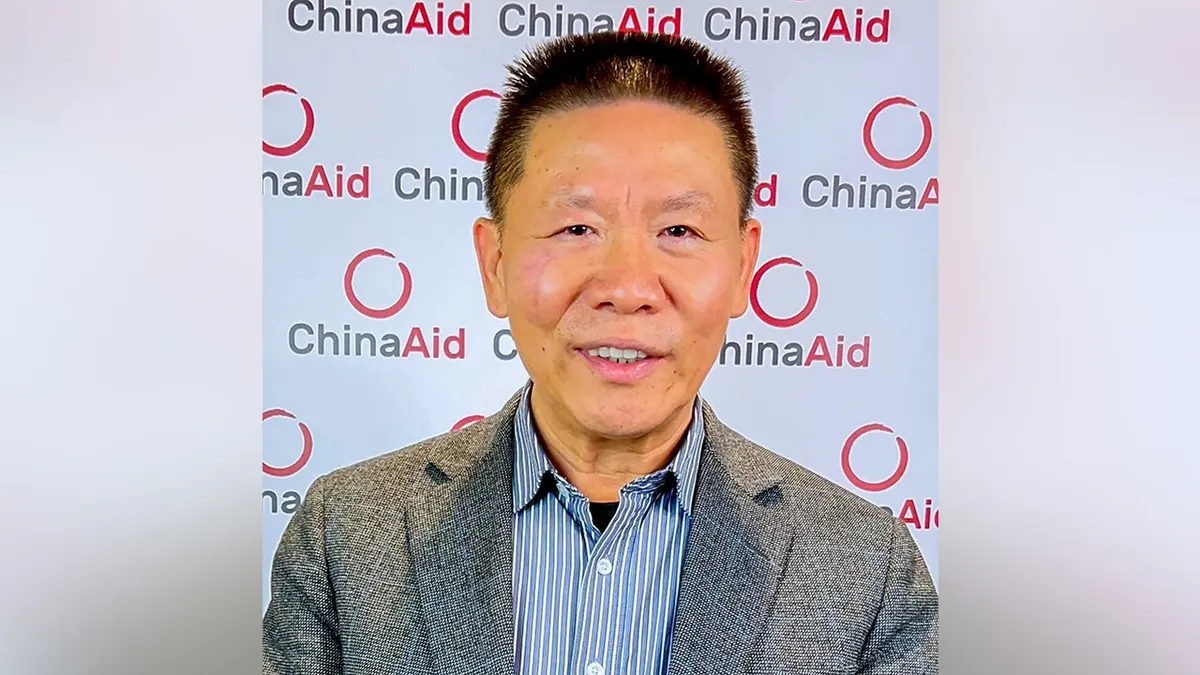
Chinese authorities have blocked his family from visiting him in person to assess his condition, according to Bob Fu, president of the Christian human rights organization ChinaAid. Prison officials relayed medical information by telephone following an alleged examination on Oct. 1, claiming Wang is in good health. Fu said his organization cannot independently verify either the cancer diagnosis or the prison’s assurances, given the total absence of outside medical oversight.
Wang founded Early Rain Covenant Church in Chengdu, an independent Protestant congregation operating entirely outside the state-sanctioned Three-Self Patriotic Movement and China Christian Council. Beijing requires all legal Protestant worship to flow through those government-controlled bodies. Churches that refuse registration are routinely classified as illegal organizations, exposing their leaders to criminal prosecution under broad national security statutes.
Authorities arrested Wang on Dec. 9, 2018, during a coordinated sweep that dismantled Early Rain Covenant Church. A court convicted him a year later of inciting subversion of state power and illegal business operations—charges frequently deployed against dissidents, human rights lawyers, and religious leaders who challenge Communist Party authority. The U.S. State Department condemned the conviction at the time, and the U.S. Commission on International Religious Freedom currently classifies Wang as a prisoner of conscience, documenting patterns of medical neglect in his case.
The restrictions surrounding Wang extend far beyond his current medical crisis. Over nearly eight years of imprisonment, his family has been permitted fewer than five visits. Those brief encounters were closely monitored by guards, and any attempt to discuss his health or religious beliefs resulted in abrupt termination of the meeting. His wife, Jiang Rong, has not received a single letter from him in two years. Jiang was detained alongside Wang during the 2018 crackdown and subsequently subjected to residential surveillance at a designated location—a coercive measure under Chinese criminal procedure law that allows police to hold suspects in secret facilities rather than formal detention centers, often bypassing standard legal protections.
Early Rain Covenant Church issued an open letter on Oct. 3 acknowledging the alarming health reports but confirming it could not determine whether Wang had actually fallen ill. The congregation demanded that prison authorities restore regular family visits, correspondence, telephone access, and transparency regarding any medical care administered.
Fu is urging the Trump administration to elevate Wang’s case during upcoming diplomatic engagements with Chinese President Xi Jinping. Trump and Xi are scheduled to attend the Asia-Pacific Economic Cooperation leaders’ meeting in Shenzhen in November, followed by the G-20 summit in Miami in December. Human rights advocates point to the July release of Pastor Ezra Jin Mingri as evidence that direct presidential intervention can yield results. Jin was reunited with his family after Trump raised his detention directly with Xi during a May visit to Beijing, though the specific dynamics of that negotiation do not guarantee a similar outcome for Wang.
Under China’s Constitution, citizens technically enjoy freedom of religious belief. In practice, the 2018 revision of the Regulations on Religious Affairs significantly tightened state control over worship, mandating that all religious activities align with socialist values and prohibiting unauthorized gatherings. The Chinese Embassy in Washington has maintained this position. Spokesperson Liu Chang stated the embassy had no information regarding Wang’s specific case, defended the country’s religious policies, and reiterated that Beijing prohibits illegal activities conducted under the guise of religion while opposing foreign interference in domestic affairs. The embassy did not address questions about Wang’s reported medical condition, the denial of family visits, or the feasibility of an independent medical examination.
The U.S. State Department placed China on its Special Watch List for severe violations of religious freedom in late 2025, maintaining the designation it first applied in 2019.