Tesla Roadster Contract Won’t Promise the Car Will Exist
Reservation contracts for the delayed electric supercar include a clause stating the company cannot guarantee the vehicle will ever be built.
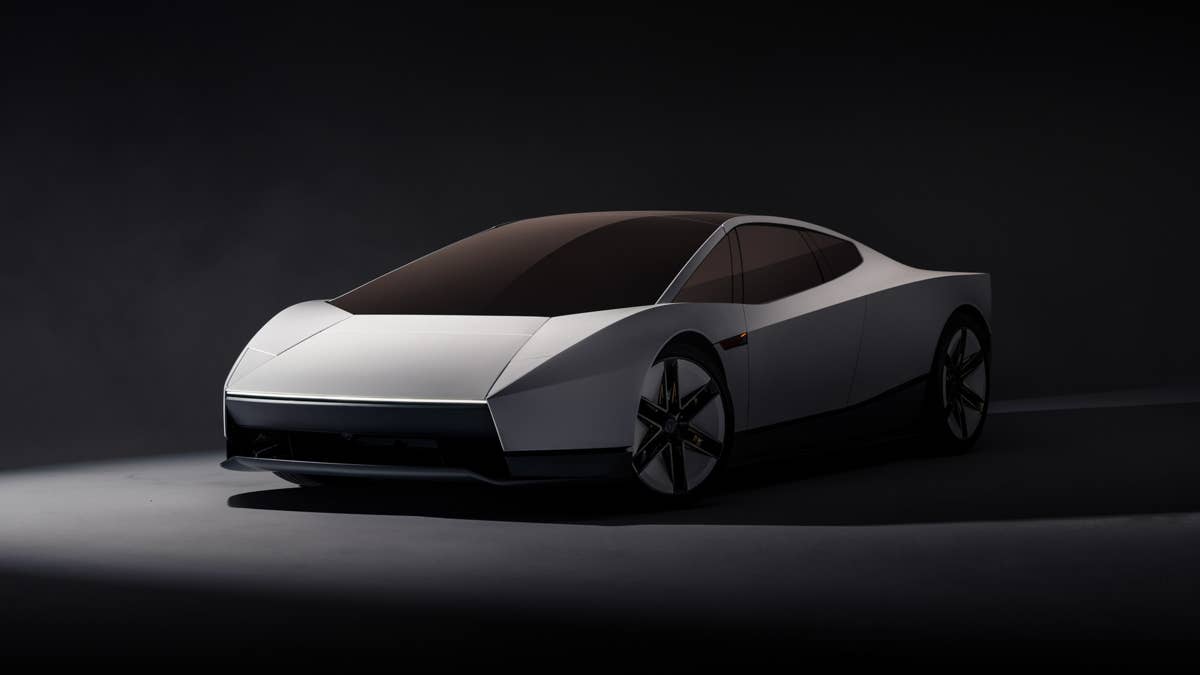
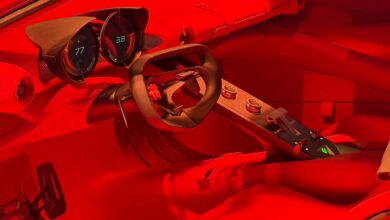
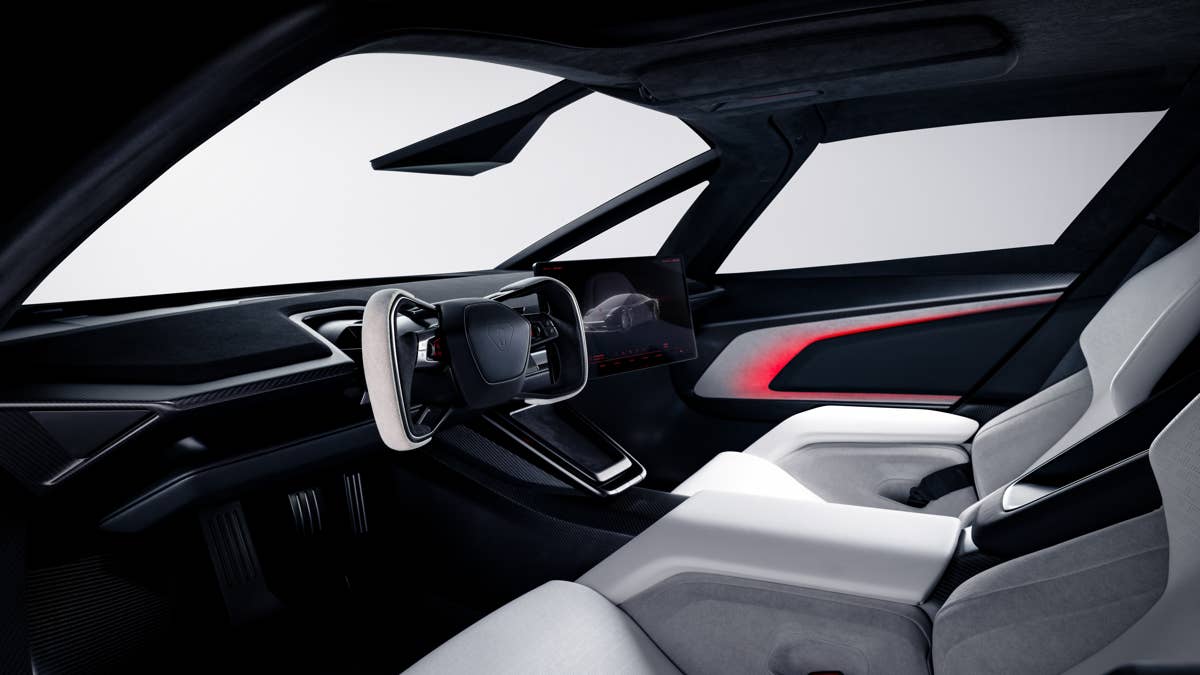
Tesla’s reservation contract for its next-generation Roadster contains a clause rarely seen in consumer auto sales: the company explicitly states it cannot guarantee the vehicle will ever be delivered. Buyers wiring up to $250,000 to hold a build slot are purchasing a refundable placeholder for a car that, according to Tesla’s own legal fine print, might never reach production.
The automaker has not published a final purchase price for the electric supercar. The $50,000 standard reservation fee and the $250,000 payment required for the limited Founders Series act as deposits applied toward an eventual total that remains undetermined. Options, hardware specifications, and features have yet to be finalized. Deposits stay fully refundable until a buyer signs a final purchase agreement, but they cannot be transferred to another party.
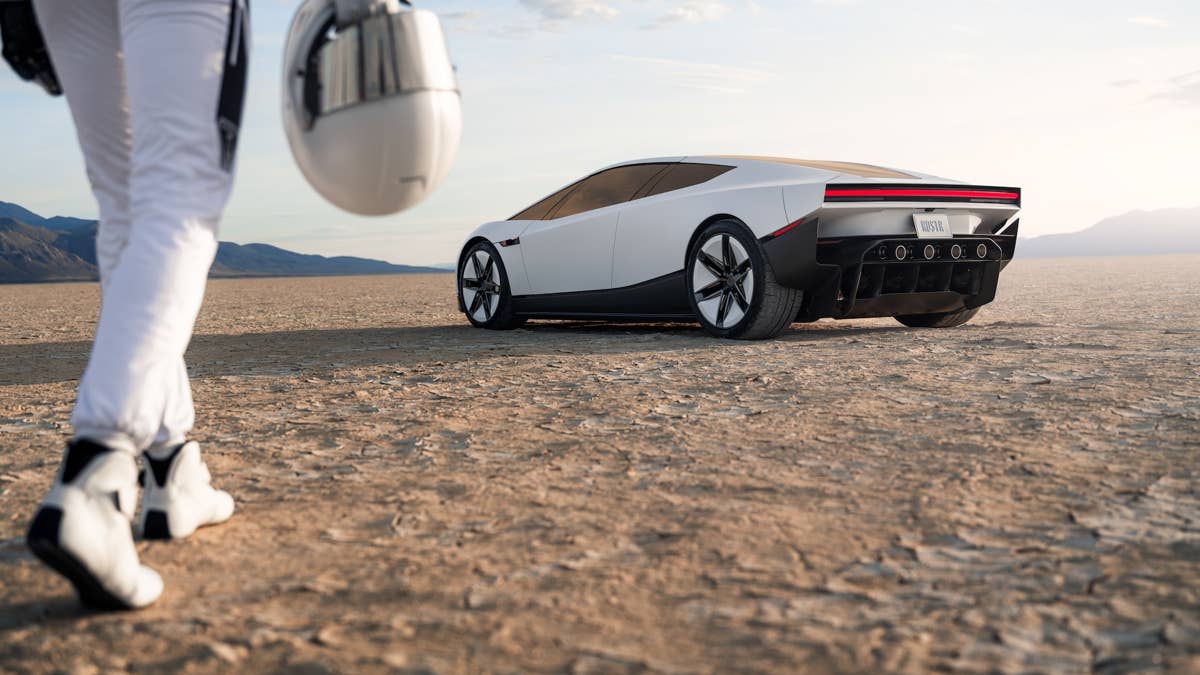
Chief Executive Elon Musk originally unveiled the second-generation Roadster in November 2017, projecting a 2020 production start. That timeline collapsed. Tesla now points to 2028 as its target, meaning early depositors have waited nine years with no binding delivery date. For context, legacy automakers typically lock in pricing and production schedules within 12 to 18 months of taking dealer allocations for high-end vehicles.
The technical promises driving those deposits remain extreme. Tesla claims the Roadster will accelerate from zero to 60 mph in 0.8 seconds using a package of cold-gas thrusters developed alongside SpaceX. No passenger vehicle currently sold in the United States uses rocket-inspired propulsion. Federal Motor Vehicle Safety Standards do not account for pressurized gas thrusters on public roads, leaving significant regulatory hurdles before such hardware could be deemed street-legal. How much of the demonstration technology survives contact with federal regulators is entirely unresolved.
Musk has repeatedly shifted timelines across the company’s product lineup. The Tesla Semi, announced alongside the Roadster in 2017, only began limited deliveries to PepsiCo in late 2022. The Cybertruck arrived six years after its 2019 prototype reveal, shedding several promised specifications along the way. The Roadster reservation agreement insulates the company legally from similar delays by removing the obligation to deliver the product altogether.