

Sony Patent Describes AI System That Silently Patches PlayStation and Other Devices
The proposed system would monitor consoles, televisions and other devices, while the application faces an initial USPTO rejection.
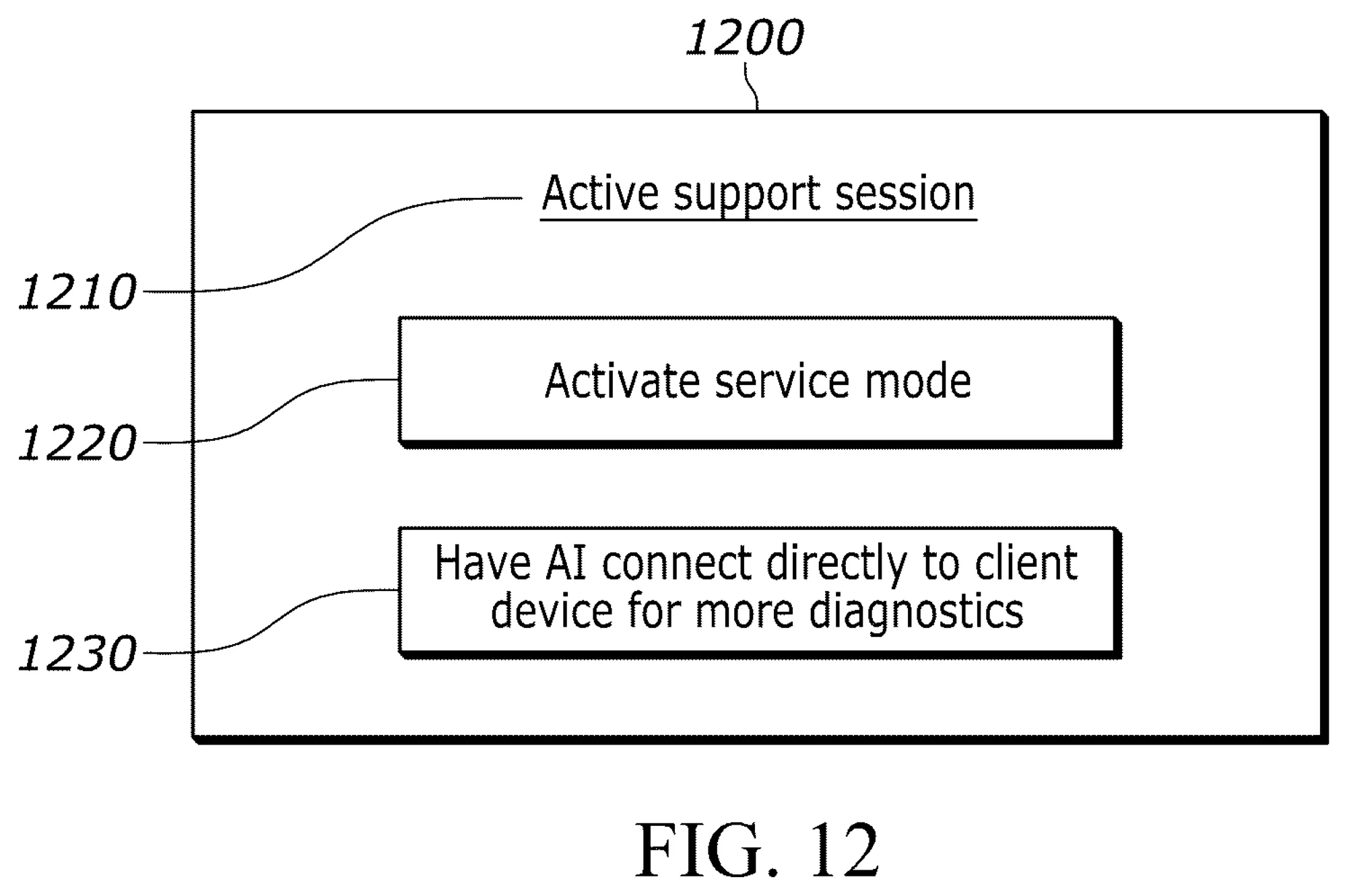
Sony Group Corp. has filed a patent application for a cloud-based system that uses large language models (LLMs) to monitor consumer devices, generate diagnostic tools and deploy software patches without user intervention. The application, published by the U.S. Patent and Trademark Office (USPTO), describes a remote server acting as an automated developer for devices including PlayStation consoles, virtual reality headsets and smart televisions.
USPTO records show that federal patent examiners have initially rejected the application. Preliminary rejections are common in patent prosecution and may cite existing prior art or question whether software algorithms meet statutory patent-eligibility requirements. Sony can amend its claims, submit technical arguments or file a Request for Continued Examination (RCE) to advance the application.
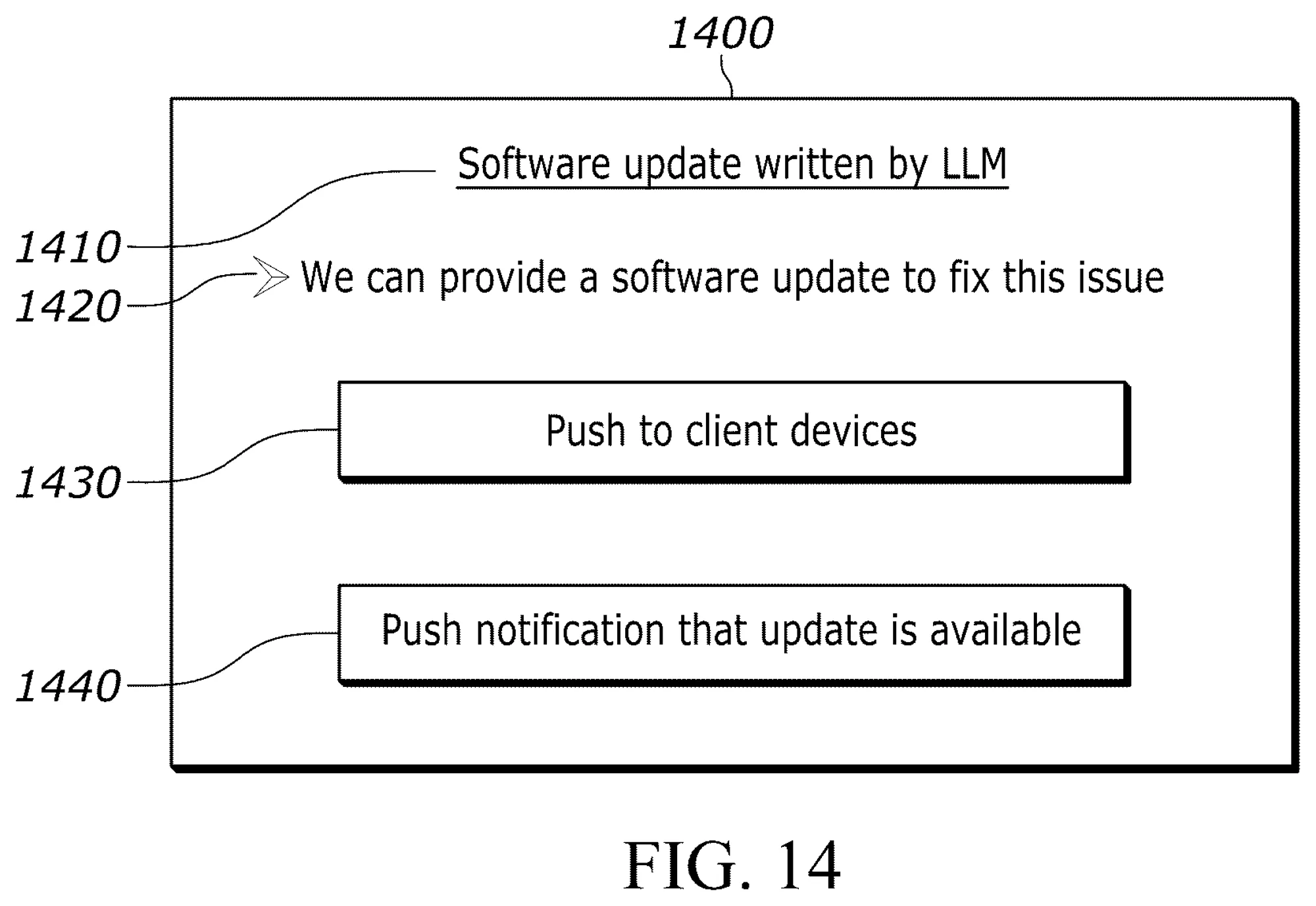
Under the proposed system, a cloud server continuously monitors telemetry and performance data from connected devices. When it detects an anomaly or software error, a central coordination engine selects from specialized LLMs. One model writes a lightweight diagnostic utility, which is sent to the device to collect information about the problem; after that data returns to the cloud, another model writes a patch for the device’s firmware, operating system or application layer.


The patch is compiled and sent back to the device without asking the user to authorize the download or notifying them that core software has been modified. If the system cannot resolve the conflict after a set number of attempts, it creates a support ticket and sends the diagnostic history to human engineering teams for manual troubleshooting.
The proposed use of dynamically generated code at the operating-system or firmware level raises engineering and security concerns. Software security researchers have documented that LLMs can “hallucinate,” producing code that is syntactically correct but logically flawed or based on non-existent structures. Studies of AI-assisted programming indicate that automated code generators can introduce vulnerabilities, including buffer overflows, race conditions and improper memory management, if their output is not subject to rigorous human review and automated testing. A silent deployment process leaves less opportunity for pre-deployment quality assurance and could result in widespread instability or devices being “bricked” if a faulty patch is distributed.
Continuous telemetry also raises privacy and regulatory questions. The European Union’s General Data Protection Regulation (GDPR) and the California Consumer Privacy Act (CCPA) impose strict requirements concerning data minimization, user consent and transparency about information collected from household devices. Smart televisions and modern gaming consoles already gather substantial user metadata; adding continuous, low-level system monitoring could draw scrutiny from consumer advocacy groups and regulators.
Sony’s research comes amid the company’s broader shift toward a digital-first consumer ecosystem. Physical media sales in the video game industry have declined rapidly over the past decade. In recent quarterly financial disclosures, Sony said digital downloads and network services generate the vast majority of its gaming revenue, with digital game sales often representing 70% to 80% of software units sold.
The hardware strategy has also moved away from built-in disc drives. Sony launched the PlayStation 5 Digital Edition and later the PlayStation 5 Pro, which comes without an internal disc drive by default. Consumers who want to play physical media must buy a separate, attachable disc drive accessory. Cloud-based firmware maintenance and troubleshooting could, in theory, reduce manufacturers’ long-term costs for customer support, warranty claims and software lifecycle management across millions of active internet-connected devices.
The application joins a wider group of Sony machine-learning and automation patent filings. The company has previously sought intellectual property protections for AI systems that adjust game difficulty using player biometric telemetry, automate software play-testing and generate real-time synthesized soundtracks tailored to individual gameplay styles.








One Comment