Snap’s Fifth-Generation Spectacles Turn AR Glasses Into a Wearable Computer
Snap expands Spectacles into a developer-focused spatial computing platform
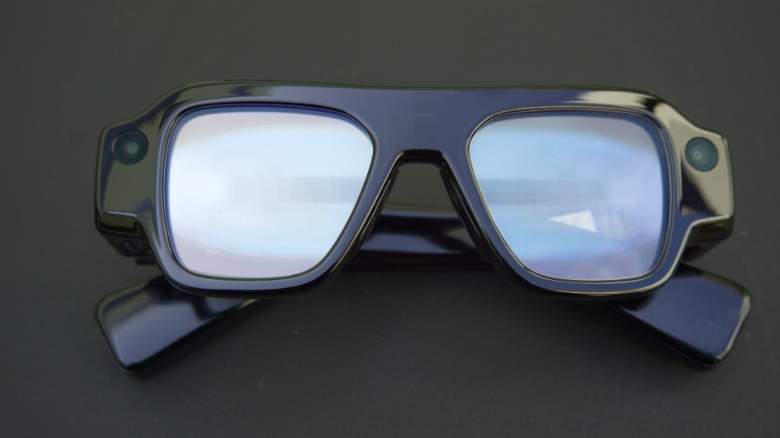
Snap Inc. is offering its fifth-generation Spectacles through a developer subscription program priced at $99 per month with a 12-month commitment, rather than distributing the hardware through immediate direct-to-consumer retail channels. The company is accelerating its move into spatial computing hardware as it works to establish a standalone hardware ecosystem beyond Snapchat, its core messaging application.
Under Chief Executive Officer Evan Spiegel, the Santa Monica, California-based company refers to the latest hardware as Specs and positions it as a developer-focused “wearable computer.” Specs runs on Snap OS, a custom operating system built to support spatial interaction, enterprise productivity, and real-time contextual utilities without physical hand-held controllers or a tethered smartphone connection.
Snap entered hardware in September 2016 with the original Spectacles, a $130 pair of video-recording sunglasses sold through temporary “Snapbot” vending machines. Refined iterations with camera improvements followed in 2018, and the company launched the dual-camera Spectacles 3 in late 2019 for $380.


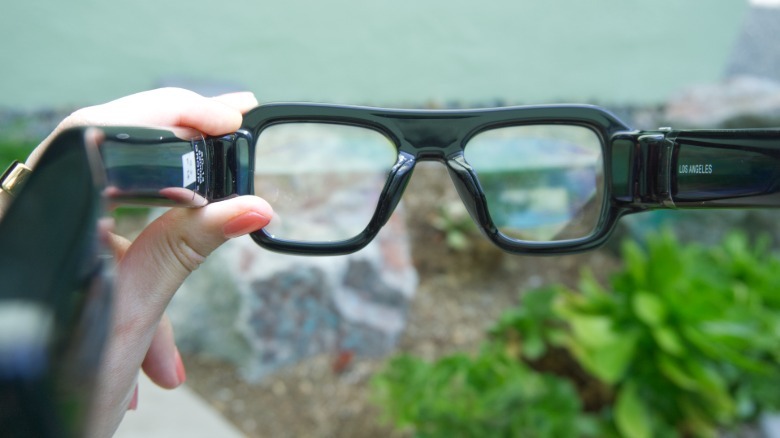
The fifth-generation model uses an optical see-through system with micro-projectors and custom waveguides embedded directly into the lenses. Its 51-degree diagonal field of view is substantially wider than the 26.3-degree field of view on the fourth-generation developer model released in 2021. Large spatial windows can still clip at the outer edges of display boundaries, so users may need to change window sizing or spatial placement.
Snap unveiled its first true augmented reality Spectacles in May 2021. That model featured dual waveguides and spatial display capabilities and was offered exclusively to selected software developers and lens creators. The current display system adds adjustable electronic dimming to maintain visual contrast across changing light levels: optical engines produce sharper image contrast in darker environments, while an electrochromic dimming layer darkens the optical elements in bright ambient lighting.
The primary Snap OS interface uses optical sensor tracking from two external cameras embedded in the frame. When a user points an index finger into the frame’s optical field of view, the camera suite tracks the hand and produces an interactive ray-cast cursor. Bringing the index finger and thumb together registers a selection command.
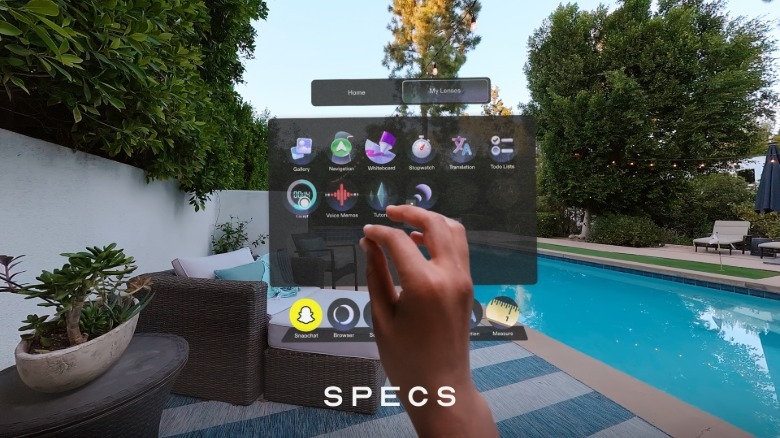
Facing an open palm toward the sensor array and tapping virtual icons floating above the hand opens primary system menus and shortcut overlays. The gesture-tracking system depends entirely on an unobstructed optical line of sight from the front-facing cameras. Loose hair falling over the optical sensors can temporarily disrupt gesture recognition and make cursor movement drift until the sensor path is cleared.
A major software change is persistent spatial anchoring. Earlier Spectacles iterations locked digital overlays to head-oriented coordinates, requiring users to turn their heads to keep floating interfaces in view. Snap OS can keep windows anchored to fixed points in physical space, or attach them to dynamic anchors that smoothly follow users through indoor and outdoor environments.
The software strategy has moved away from short-form visual effects toward utility-driven applications. Snap OS supports multi-window web browsing capable of running web applications, including Google Docs. An interactive virtual AR keyboard handles short text inputs, while Bluetooth pairing with external physical keyboards supports continuous typing tasks.
The platform also includes a walking navigation application using Mapbox mapping data, a spatial measurement tool, and a digital whiteboard for real-time sketching and visual brainstorming. Its live translation application can process foreign speech, such as Italian, and project translated English captions into the user’s field of view in real time.
Two users wearing Spectacles in the same physical space can participate in local co-located augmented reality experiences and interact with shared digital assets simultaneously, including digital tabletop games placed on a real surface. The optical see-through glasses allow participants to retain direct line of sight with one another and with their physical surroundings instead of using enclosed virtual reality headsets.
Snap developed Travel Mode to address tracking instability inside transportation vehicles. Standard spatial tracking combines visual odometry with internal motion sensors, but moving vehicles create a conflict between physical acceleration and stationary visual cues. Travel Mode reconfigures the spatial tracking algorithm so floating virtual displays lock to the vehicle’s motion frame rather than external ground reference points. Passengers in automobiles, aircraft, or trains can therefore view streaming content or work across web browsers without display drift or motion discomfort.
The device competes in a spatial hardware market shaped by different architectural choices. Meta Platforms has taken a split hardware approach, selling passthrough mixed-reality headsets such as the Meta Quest 3 alongside audio-and-camera smart glasses made with Ray-Ban, while previewing its full AR prototype, Orion. Apple Inc. entered the market in early 2024 with the Apple Vision Pro, a $3,499 spatial computer that uses ultra-high-resolution video passthrough instead of direct optical pass-through lenses.