

Russia Holds Duma Vote as War Critics Face Prison and Occupied Regions Face Armed Ballot Collection
Armed escorts, opposition bans, and occupied territories shape Russia’s first Duma election since the invasion
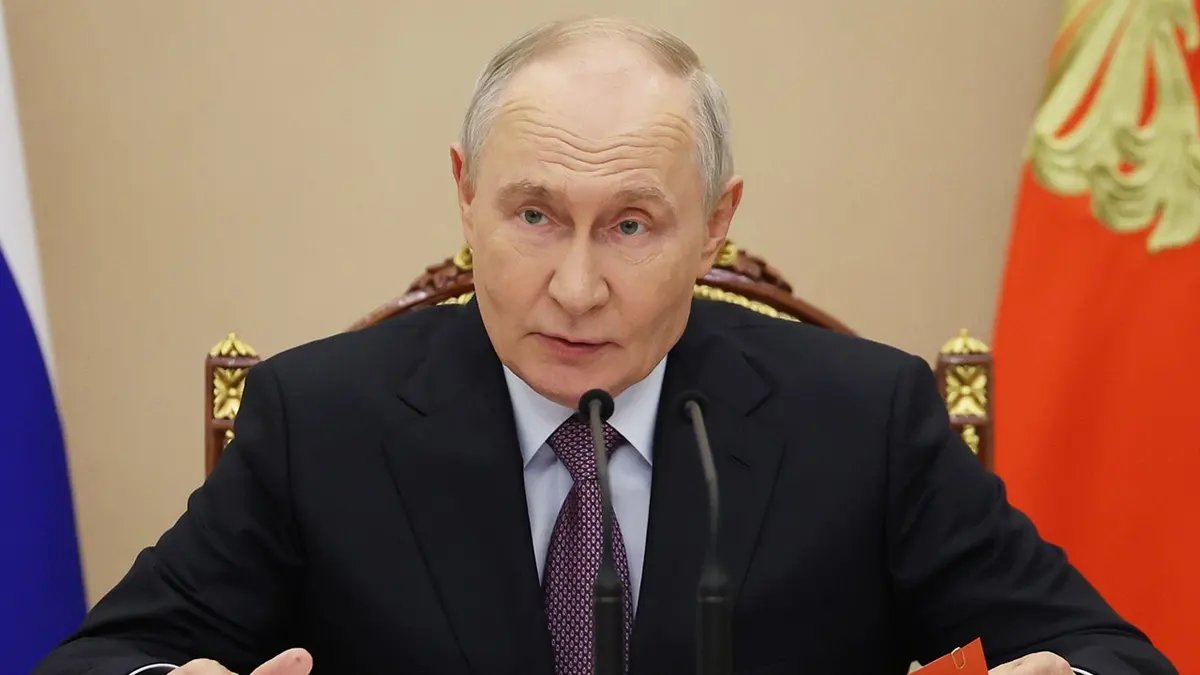
Russia’s first State Duma elections since the 2022 invasion of Ukraine conclude on September 20 after three days of voting. The Kremlin has paired the legislative election with sweeping judicial bans, harsh prison sentences for anti-war figures, and armed military escorts in occupied Ukrainian territories. International monitors remain barred from the process.
President Vladimir Putin said the Duma elections would demonstrate the “maturity” and resilience of Russia’s political system against external pressure. With Russian forces facing protracted fighting and heavy casualties, the ballot box serves as a non-military front to validate the invasion.
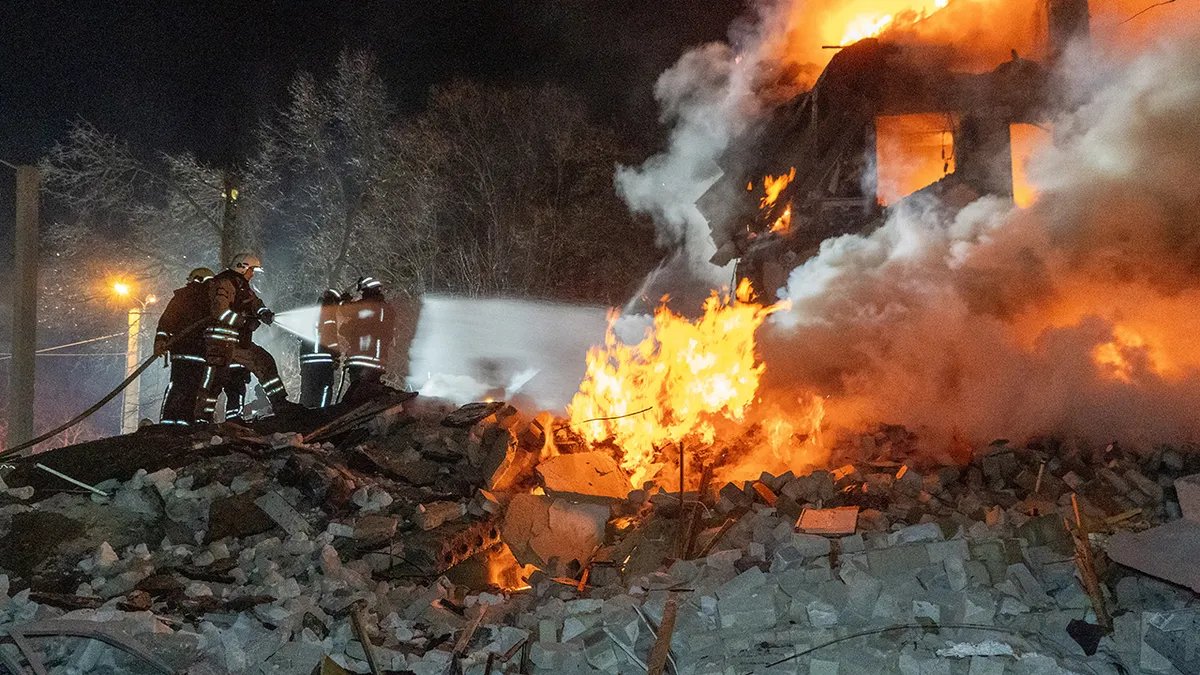


Authorities have systematically dismantled Russia’s remaining legal opposition. Lev Shlosberg, a prominent critic of the war and leader of the social-liberal Yabloko party, was sentenced to more than 11 years in a penal colony.
Shlosberg previously gained national prominence by exposing the covert involvement of Russian paratroopers in eastern Ukraine in 2014. He was convicted under censorship laws enacted shortly after the 2022 invasion, including Article 207.3 of the Russian Criminal Code.
Article 207.3 criminalizes the dissemination of what the state deems “knowingly false information” about the military and carries penalties of up to 15 years in prison. After Shlosberg’s conviction, Russia’s Supreme Court barred the Yabloko party from participating in the State Duma elections entirely.
The ballot is consequently restricted to nine approved parties, all of which support President Vladimir Putin’s administration and the military campaign in Ukraine. The ruling United Russia party currently holds a constitutional supermajority in the 450-seat lower house of parliament.
In the unilaterally annexed Ukrainian regions of Donetsk, Luhansk, Zaporizhzhia, and Kherson, Russian authorities have used “passportization” to facilitate voting. The policy forces local residents to adopt Russian citizenship to retain access to basic services, healthcare, property rights, and employment. Authorities have subsequently used those citizenship records to compile voter registration rolls.
Russian forces are facing protracted fighting and heavy casualties, while Ivana Stradner, a researcher focusing on Russian information security at the Foundation for Defense of Democracies (FDD), said the Kremlin uses the elections to manufacture the appearance of public support for both United Russia and the ongoing war, particularly when battlefield progress slows.
The Russian Central Election Commission (CEC), led by Ella Pamfilova, created specialized regulations for the occupied regions. The rules emphasize early voting and mobile, at-home voting, which the CEC said was necessary to prevent large crowds that could be targeted by Ukrainian military strikes.
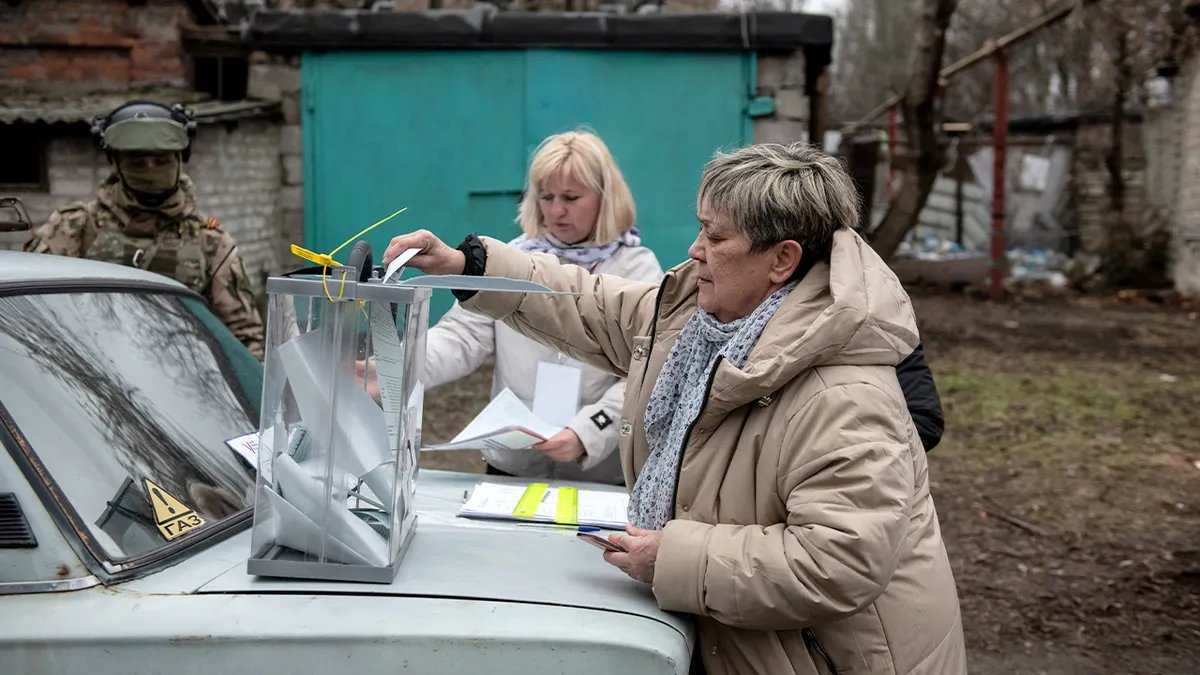
Under the approved protocols, election officials travel door-to-door to collect ballots while accompanied by armed Russian soldiers carrying portable ballot boxes. International observers and researchers describe these mobile voting methods as tools of direct coercion.
Jaroslava Barbieri, a research fellow at the Ukraine Forum at Chatham House, described the environment as a “total regime of terror.” She said the presence of armed soldiers constitutes direct intimidation and violates international law.
The Organization for Security and Co-operation in Europe (OSCE) was not invited to monitor the elections. The refusal violates the 1990 Copenhagen Document, under which all member states committed to allowing international election observation.
Pere Joan Pons, president of the OSCE Parliamentary Assembly, said Russia’s refusal to invite observers breaches its international commitments and shows a disregard for democratic standards. Russia’s Ministry of Foreign Affairs, meanwhile, announced that it had established 326 polling stations across 152 countries at its embassies and consulates to facilitate overseas voting.
Ukrainian officials have declared the elections entirely illegitimate. Ukrainian Member of Parliament Volodymyr Ariev urged residents in the occupied regions to boycott the process and suggested that they temporarily leave their homes during the voting window to avoid forced participation.
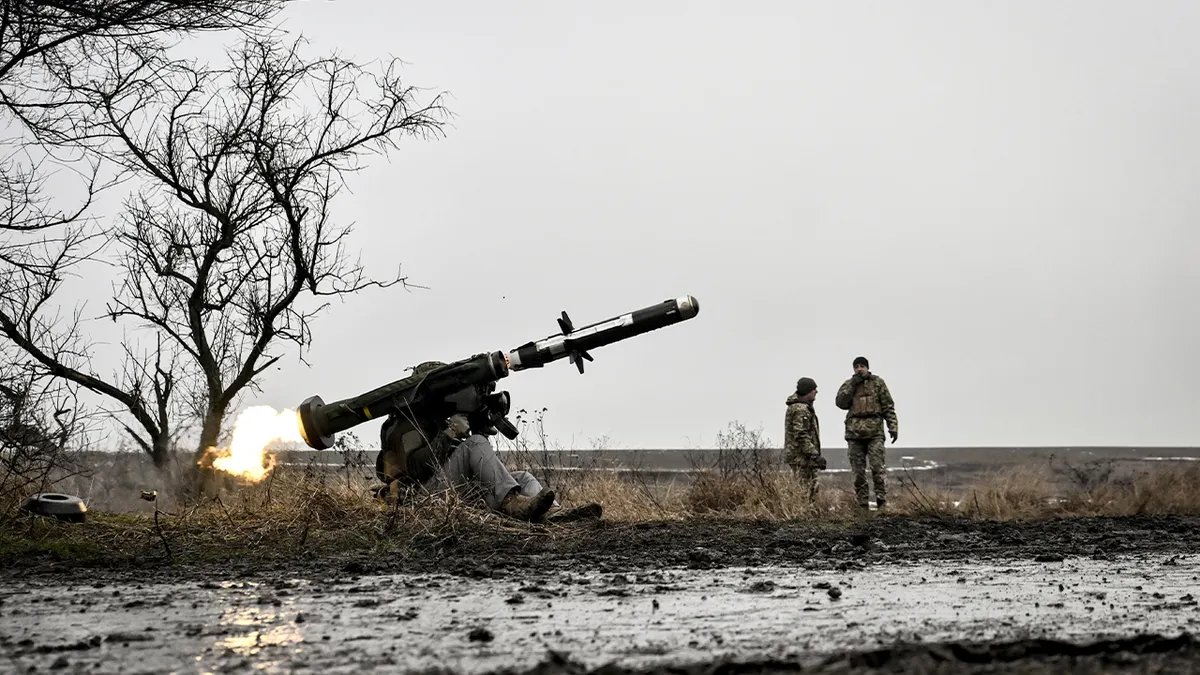
Ariev emphasized that Ukraine and the broader international community will never recognize the legitimacy of any representatives purportedly elected from these territories.
The 2024 presidential election demonstrated the reliance on staged electoral outcomes: official Russian results claimed that Putin secured nearly 90% of the vote nationwide, while the occupied Luhansk and Donetsk regions reported figures exceeding 90%.
Maintaining this high level of symbolic support allows the Kremlin to project a united front without resorting to highly unpopular measures, such as another wave of mass military mobilization. Keti Korkiya, from the FDD Russia Program, observed that while many Russian citizens are willing to offer symbolic support for the state and the military, they remain highly resistant to paying personal or economic costs, which has deterred the Kremlin from initiating further mobilization campaigns.




2 Comments