Peanut Butter Kisses Halloween Candy: History and Where to Buy
From a 1914 Boston taffy recipe to a 2018 municipal ban, trace the corporate bankruptcies and survival of America's most polarizing trick-or-treat treat.
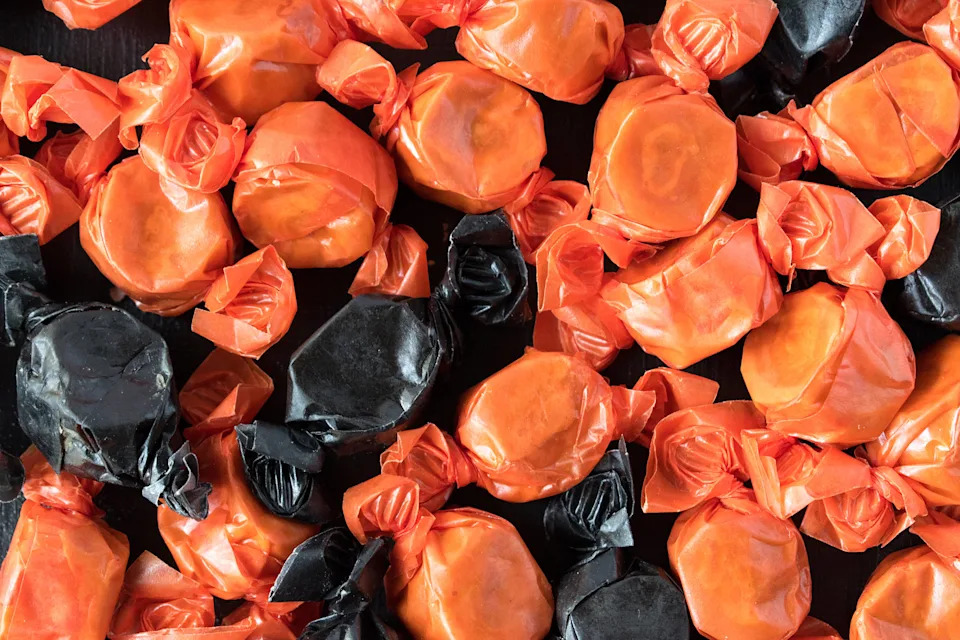
Impact Confections continues to manufacture Melster Peanut Butter Kisses, keeping the century-old molasses-and-peanut-butter recipe alive for seasonal distribution. The candy remains available at Dollar General, Dollar Tree, Blain’s Farm & Fleet and through Instacart, though shelf presence fluctuates heavily by region as retailers prioritize higher-margin chocolate brands.
The persistence of these orange-and-black wrapped candies defies modern confectionery economics. While contemporary trick-or-treat bowls are dominated by Reese’s, Snickers and Skittles, Peanut Butter Kisses occupy a distinct niche rooted in early 20th-century American manufacturing rather than current consumer demand.

The formula traces directly to Boston in 1914, when Charles N. Miller & Sons Candy Company introduced Mary Janes. Charles H. Miller had opened his original confectionery shop three decades earlier, but his son developed the specific peanut butter and molasses taffy combination, reportedly naming it after an aunt. Unlike the rectangular, yellow-and-red wrapped Mary Janes, the rounder Peanut Butter Kisses eventually adopted the black-and-orange wax paper that permanently linked them to autumn holidays.
Molasses taffy production requires cooking molasses until thickened, then pulling the partially cooled mixture to incorporate air and lighten the texture. Cooked to a relatively soft stage, the resulting candy delivered a chewy consistency that paired with the growing popularity of peanut butter in American diets. The ingredients were cheap, shelf-stable enough for bulk distribution and easy to produce at scale during an era when chocolate remained a more expensive luxury.
That affordability is precisely why the candy became a Halloween staple. During the mid-20th century, as trick-or-treating shifted from homemade treats to commercially packaged goods, households needed high-volume, low-cost options. Wax-paper-wrapped taffy kisses fit the economic requirement perfectly, even if they lacked the appeal of chocolate bars.
The packaging itself contributed to the candy’s notorious reputation. Wax paper provides minimal moisture barrier compared to the foil or metallized films used for modern chocolates. Over weeks or months sitting in retail bins or household candy bowls, the taffy frequently dried out, transforming from a chewy treat into a hardened lump that tested jaw endurance. For children prioritizing immediate sugar gratification, the textural gamble made the kisses an automatic discard.
Cultural backlash against the candy peaked in 2018 when officials in High Point, North Carolina, issued a satirical municipal ban. A self-appointed “Emperor of Acceptable Candy” declared via Facebook that the treats were officially unwelcome because no one wanted them. That same year, CandyStore.com ranked Peanut Butter Kisses fifth on its annual worst Halloween candy list. By 2026, the candy climbed to third place on the same ranking, cementing its status as a polarizing cultural artifact rather than a serious competitor in the $3.6 billion U.S. seasonal confectionery market.
Corporate consolidation nearly erased the candy entirely. Charles N. Miller & Sons was sold to Stark Candy Company in 1989. Stark was acquired by the New England Confectionery Company — Necco — in 1990. When Necco collapsed into bankruptcy in 2018, Mary Janes temporarily vanished from production lines. Atkinson Candy Company ultimately secured the rights, relaunching the Mary Jane brand in 2021 with a slightly updated shape and wrapper design.

Consumers seeking the original Mary Jane formulation now purchase directly through Atkinson Candy Company’s website, while those looking for the traditional Halloween-style kisses rely on Impact Confections’ seasonal Melster distribution network. The two products share genetic lineage but operate under separate corporate umbrellas.
Necco Wafers, another casualty of the 2018 bankruptcy, followed a similar trajectory before Spangler Candy Company acquired the assets and resumed production. However, Necco Wafers maintained broader year-round recognition, whereas Peanut Butter Kisses remain almost exclusively tethered to October retail cycles.

Atkinson Candy Company currently fulfills direct-to-consumer orders for the relaunched Mary Janes, maintaining the 1914 molasses-and-peanut-butter recipe for buyers navigating the post-Necco confectionery landscape.