NFL Firearms Incident Tests League’s Mental Health Protocol Over Punishment Model
Titans chose clinical referral over criminal referral in Jordan Elliott case, marking rare test of CBA-expanded behavioral health program
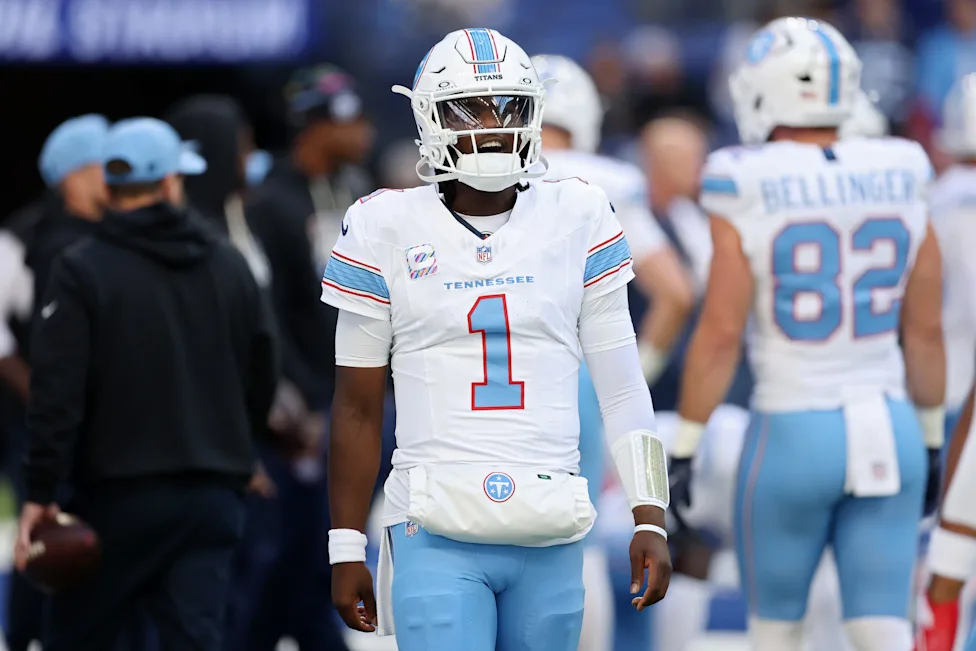
The Tennessee Titans’ handling of a defensive tackle who brandished a firearm in the team parking lot last week has thrust the NFL’s evolving approach to player crises into public view, replacing what league insiders describe as a reflexive discipline-first model with a protocol that prioritizes clinical intervention.
Jordan Elliott, a seven-year veteran signed in free agency this spring, attempted to retrieve a gun from his vehicle on Oct. 15 following a practice altercation with offensive tackle JC Latham, according to multiple reports. Teammate John Franklin-Myers intervened before the situation escalated. The Titans placed Elliott on the injury report the next day with a non-injury, personal designation, then released him this week.
An NFL spokesperson confirmed to The Tennessean on Oct. 21 that the club “promptly” notified the league office and the matter remains under review.




What distinguishes this case from previous firearms-related infractions is the Titans’ decision to engage the league’s behavioral health infrastructure before pursuing criminal referral. Coach Robert Saleh, who coached Elliott in San Francisco last season, characterized the organization’s pause as recognition of “a cry for help” rather than a criminal act.
“This is a man who is a father, a great husband. He’s never committed a crime in his entire life,” Saleh said Oct. 21. “Why did he go off the rails and grab a gun? Those are small signs of a cry of help. Obviously there’s something greater happening.”
The NFL’s personal conduct policy has long mandated discipline for weapons violations at team facilities. But the collective bargaining agreement negotiated in 2020 expanded the league’s clinical resources, creating a formal behavioral health program that teams can activate before disciplinary machinery engages. Elliott’s case appears to be among the first high-profile tests of that pathway.
Saleh’s public advocacy for Elliott — he told reporters he would “stand on the table” for the player’s character and urged other teams to call him for a reference — represents an unusual breach of the typical post-release silence. The coach framed the gun violation as a “terrible lapse in judgement” but insisted it signaled psychological distress rather than intent to harm.
Franklin-Myers’ role in de-escalation has drawn internal praise. “For JFM to go out there and kind of help Jordan through with whatever he was dealing with at that moment I thought was really admirable,” Saleh said. Latham, the rookie offensive lineman involved in the initial altercation, is “OK,” according to the coach.
The Titans defeated Indianapolis on Oct. 18 without Elliott active. The league’s review continues.