New Books in October 2026: Kingsolver, Lorre and Berry
Posthumous essays from Wendell Berry and a 15-year sequel from Chad Harbach lead a month of heavy historical and cultural releases.
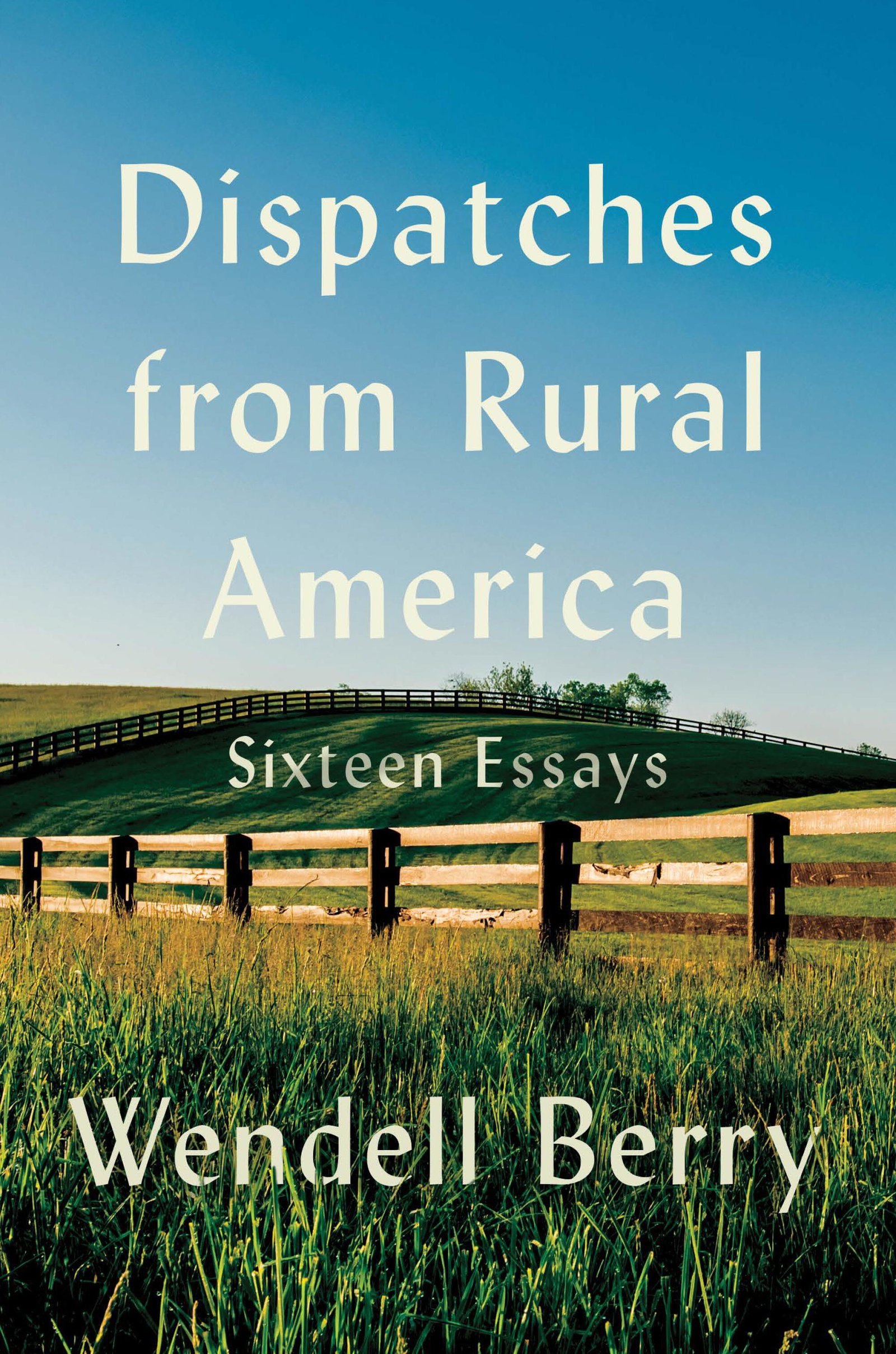
Wendell Berry’s final essay collection arrives on Oct. 27, two months after the Kentucky writer and agrarian activist died in August. “Dispatches from Rural America: Sixteen Essays” (Counterpoint, 240 pp., $27) closes out a career that spent decades challenging industrial agriculture and examining the moral weight of land stewardship. The posthumous release anchors an October 2026 publishing slate defined by long-delayed sequels, heavy historical reassessments and prominent cultural figures dismantling their own public images.
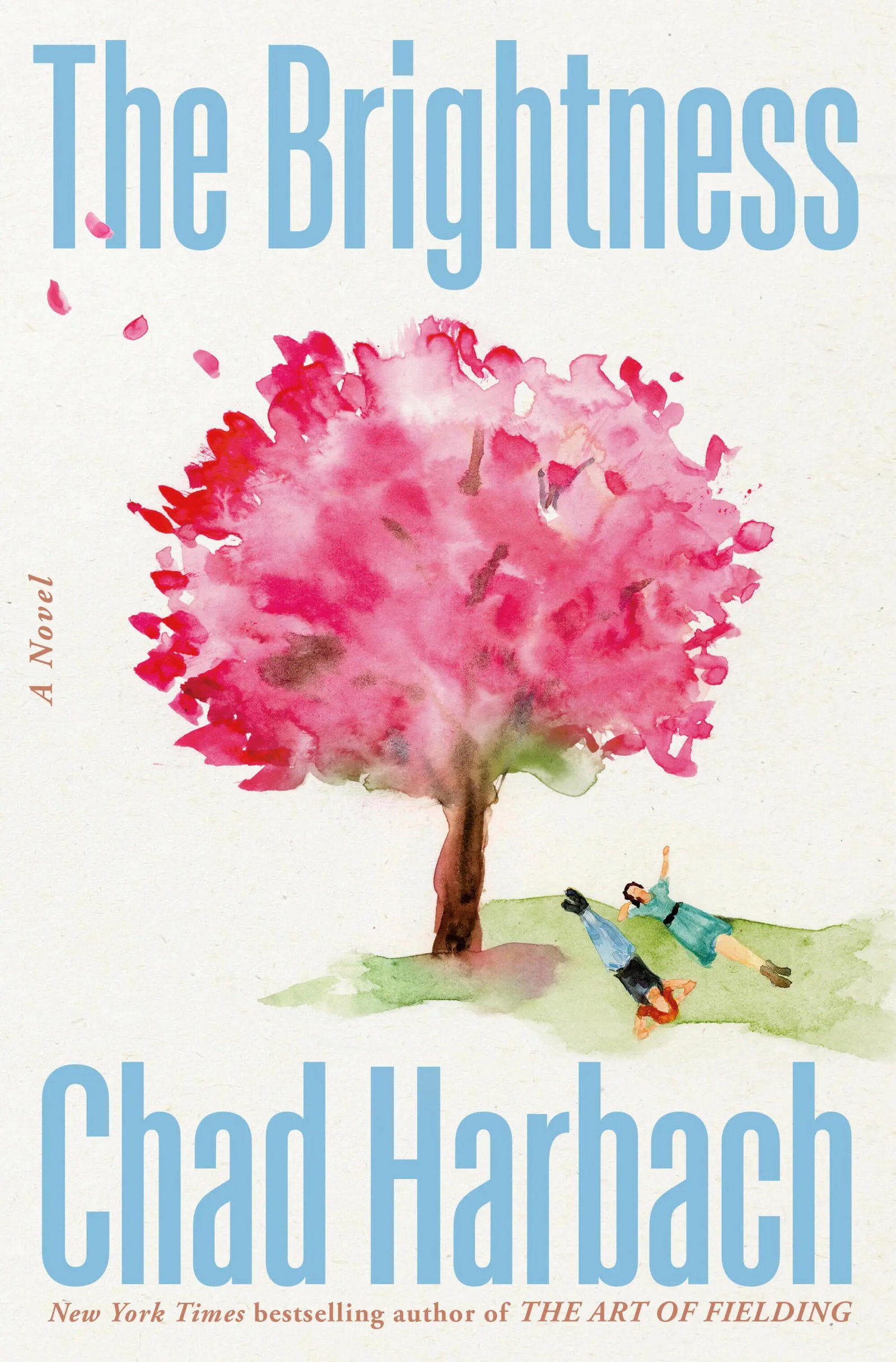
Chad Harbach returns to Westish College 15 years after his 2011 debut, “The Art of Fielding,” reshaped the campus novel genre. “The Brightness” (Little, Brown, 672 pp., $32, Oct. 27) brings back Pella Affenlicht and Mike Schwartz, now engaged, but shifts its focus toward institutional fractures. A dispute between Pella and her friend Irma Frisk over how to confront campus rape culture drives the narrative, testing the limits of activism within higher education. Unlike many legacy sequels that rely entirely on reader nostalgia, Harbach structures the 672-page novel so it functions independently of the original text.
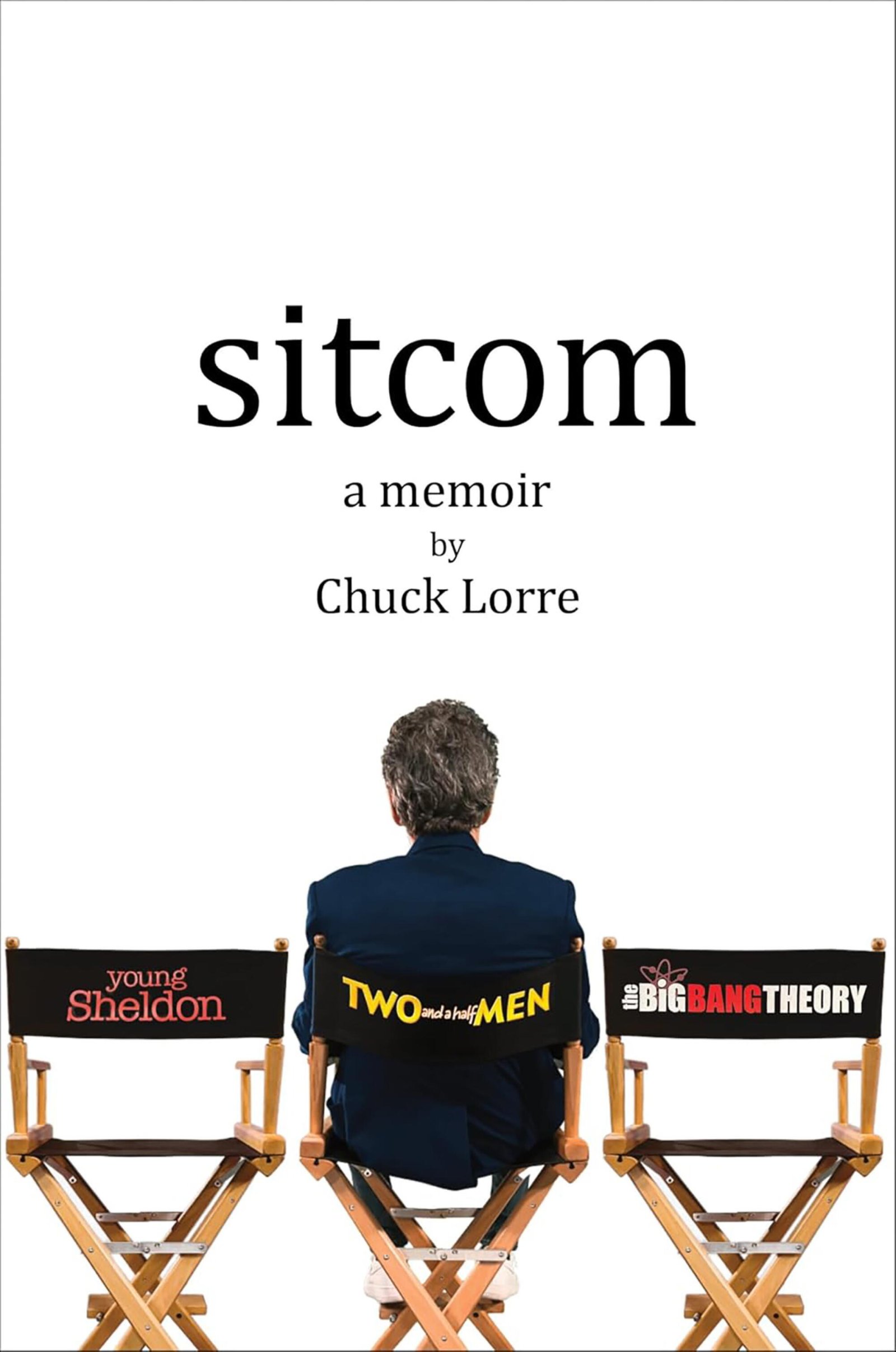
Television producer Chuck Lorre strips away the multi-camera polish for “Sitcom: A Memoir” (Dey Street Books, 368 pp., $32, Oct. 13). The creator of “Two and a Half Men” and “The Big Bang Theory” turns his scrutiny inward, documenting failed marriages, struggles with alcohol and his involvement with Scientology. Lorre also addresses working with Charlie Sheen during the actor’s highly publicized departure from network television, acknowledging that most of the personal failures detailed in the book belong to him rather than his former collaborators.


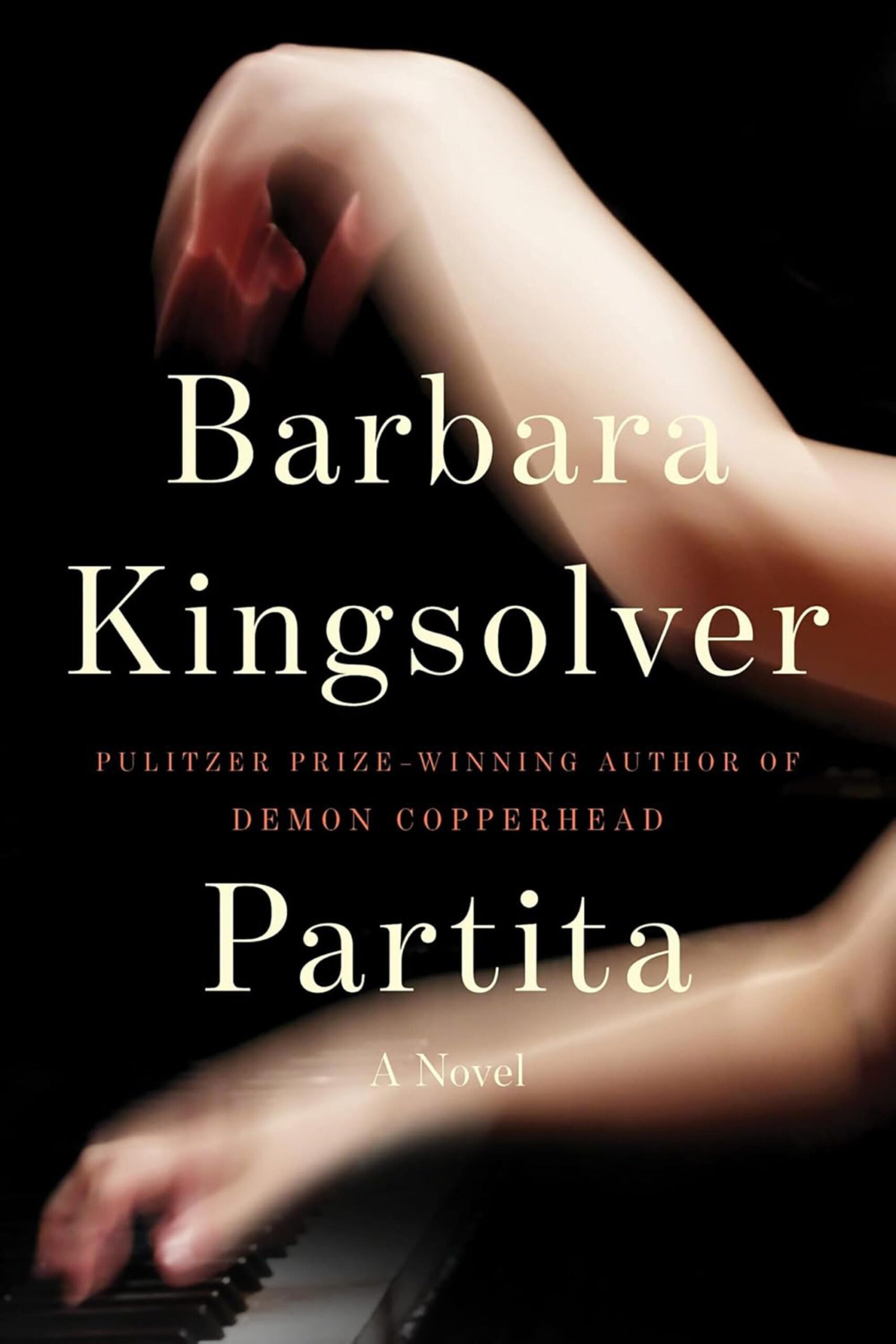
Barbara Kingsolver releases “Partita” (Harper, 352 pp., $32, Oct. 6), borrowing its structure from the musical form of distinct movements unified by a single performer. The novel follows Livia Cable, a farm wife whose isolated life unravels after a phone call forces her to reckon with her past as a concert pianist. Kingsolver layers family secrets and unresolved grief into a narrative that mirrors the technical precision required to play a partita.
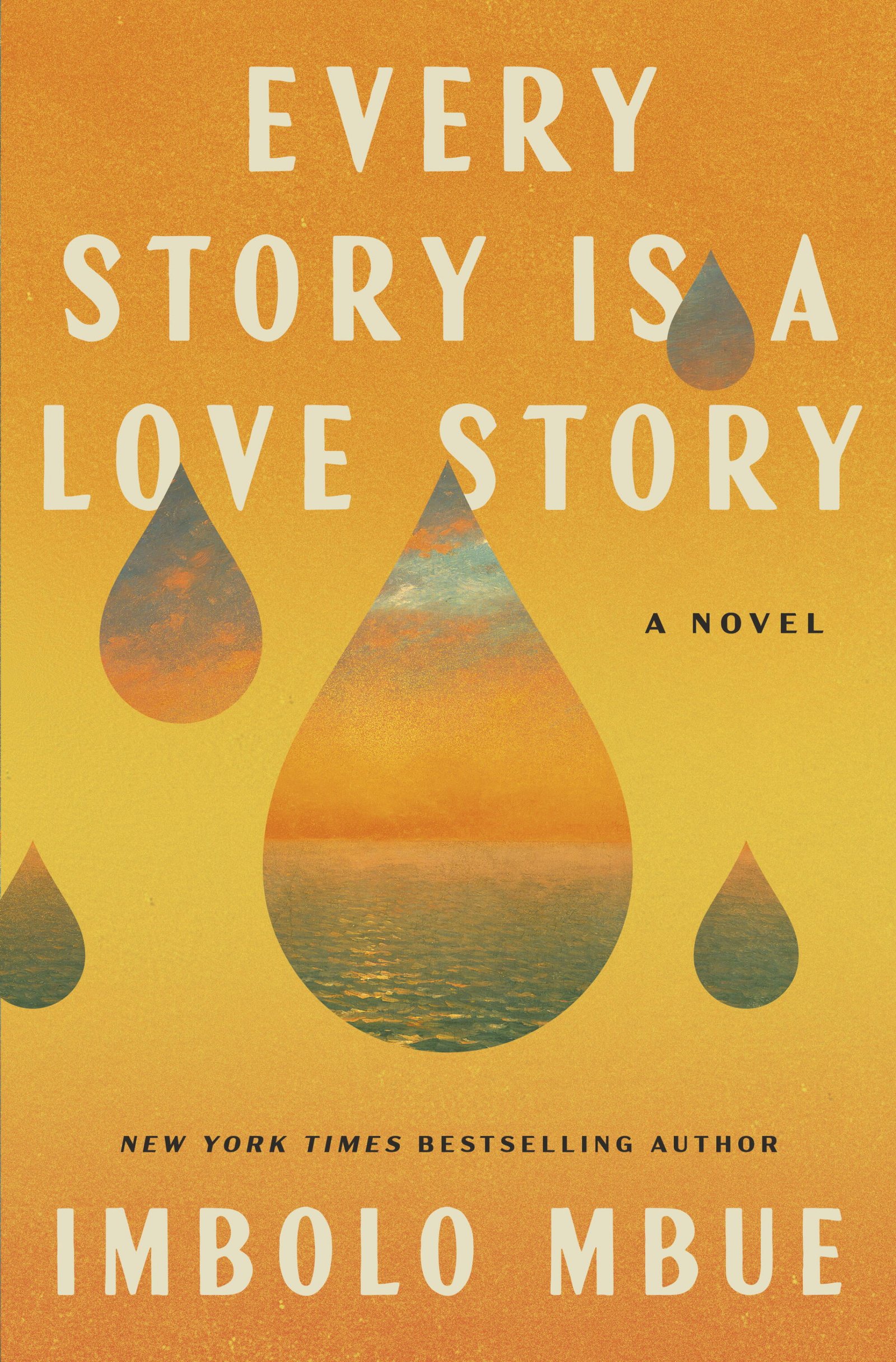
Cameroonian-born novelist Imbolo Mbue pivots from the immigrant survival story of her 2016 debut, “Behold the Dreamers,” to examine the mechanics of forgiveness. “Every Story Is a Love Story” (Random House, 352 pp., $32, Oct. 6) centers on Wolo, who receives a letter three years after his wife Yoma is killed in a car accident. The correspondence comes from the driver, a white woman harboring a secret that upends Wolo’s understanding of the crash and his capacity to move forward.
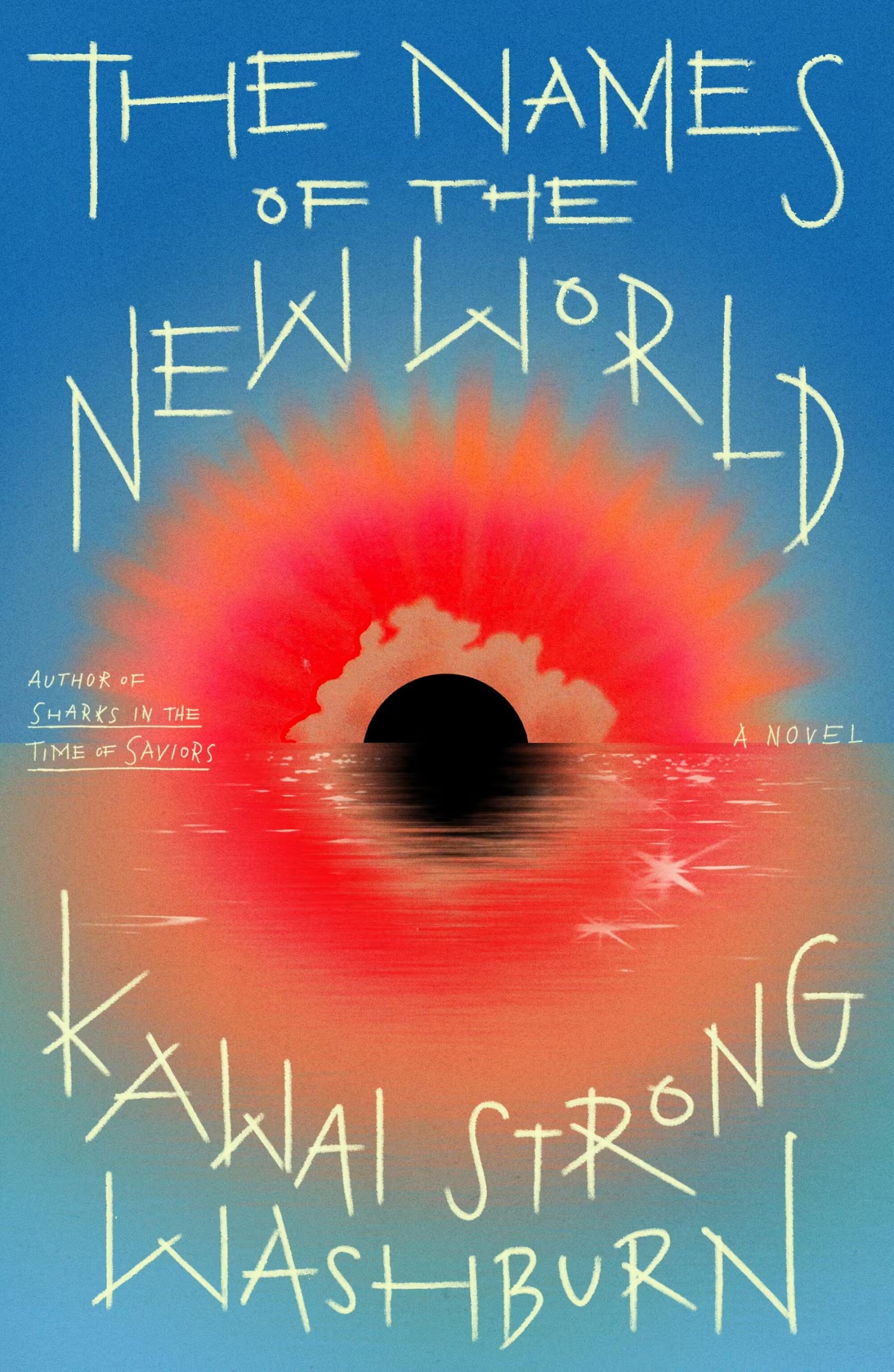
Kawai Strong Washburn projects climate conflict into the future in “The Names of the New World” (FSG, 448 pp., $29, Oct. 6). Following his 2020 novel “Sharks in the Time of Saviors,” Washburn builds a story around environmental lawyer Naomi, her banker husband Amaré and auto mechanic Raheem. The novel’s final act jumps forward 25 years, offering a speculative look at how professional allegiances fracture when ecological collapse accelerates.
Julie Orringer pairs cognitive decline with academic infidelity in “Luna, Phoenix, Queen” (Knopf, 288 pp., $32, Oct. 13). When professor Dava Pennington receives an Alzheimer’s diagnosis, her husband Barr discovers a hidden truth about her past, prompting him to conceal one of his own. The couple’s dog, Luna, later renamed Phoenix, serves as a grounding presence through the unraveling of their intellectual and domestic lives.
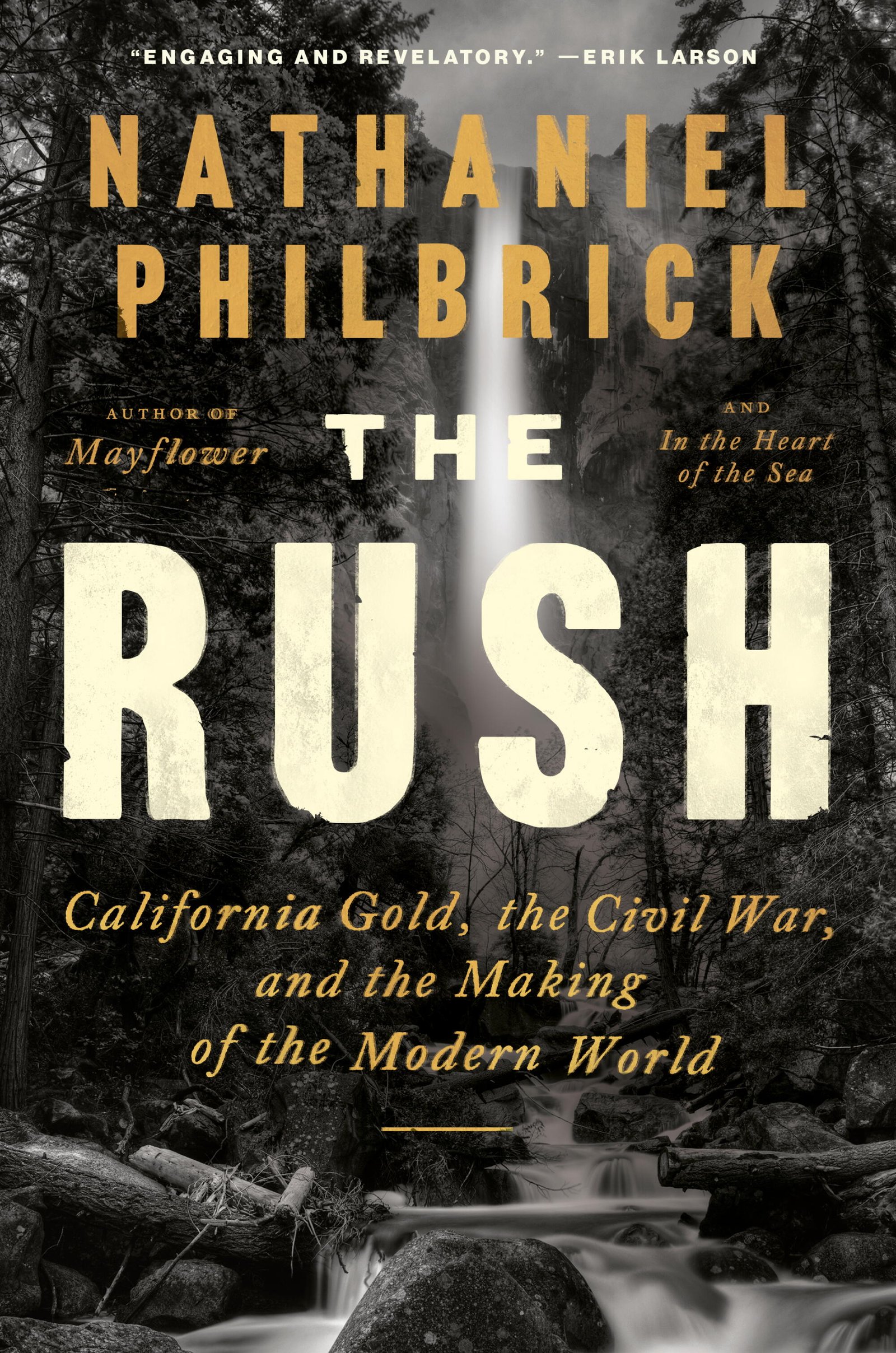
Historian Nathaniel Philbrick expands the geography of the American Civil War in “The Rush: California Gold, the Civil War, and the Making of the Modern World” (Viking, 464 pp., $38, Oct. 13). Rather than treating the Gold Rush as a separate frontier phenomenon, Philbrick traces how California’s sudden wealth funded political factions tied to enslavement and white supremacy. The book connects John Sutter’s early settlements to resource magnates like Leland Stanford, arguing that the ideological battles between North and South were actively fought and financed in the West.
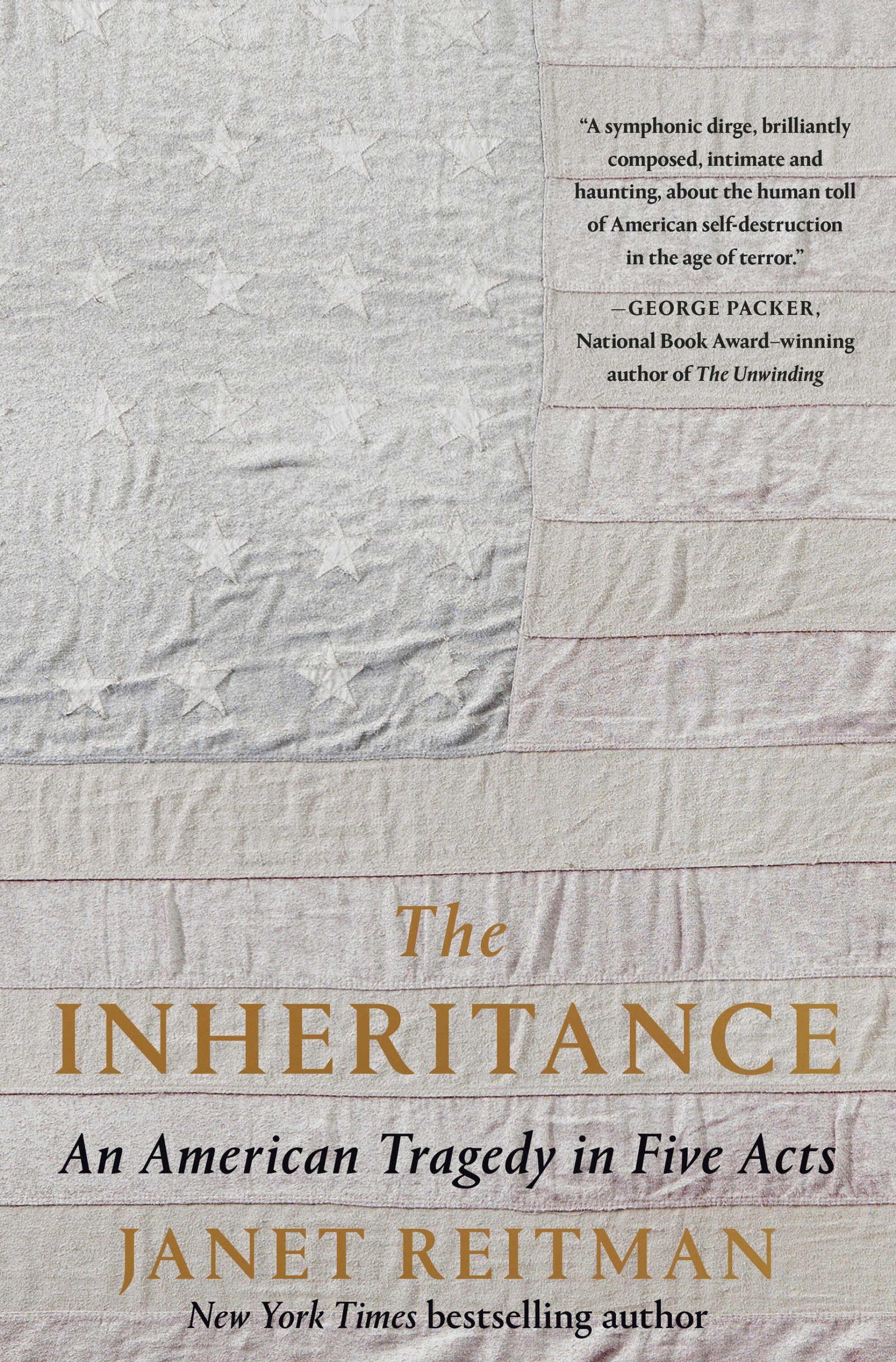
Janet Reitman maps the trajectory of radicalization across post-9/11 America in “The Inheritance: An American Tragedy in Five Acts” (Random House, 448 pp., $32, Oct. 6). The journalist tracks nine individuals over three decades, including a teenager recruited by the Islamic State, a Black FBI analyst convicted of leaking intelligence and a former Marine involved in organizing the 2017 Charlottesville rally. Reitman structures the nonfiction work in five acts, moving from initial ideological crises toward eventual attempts at personal redefinition.

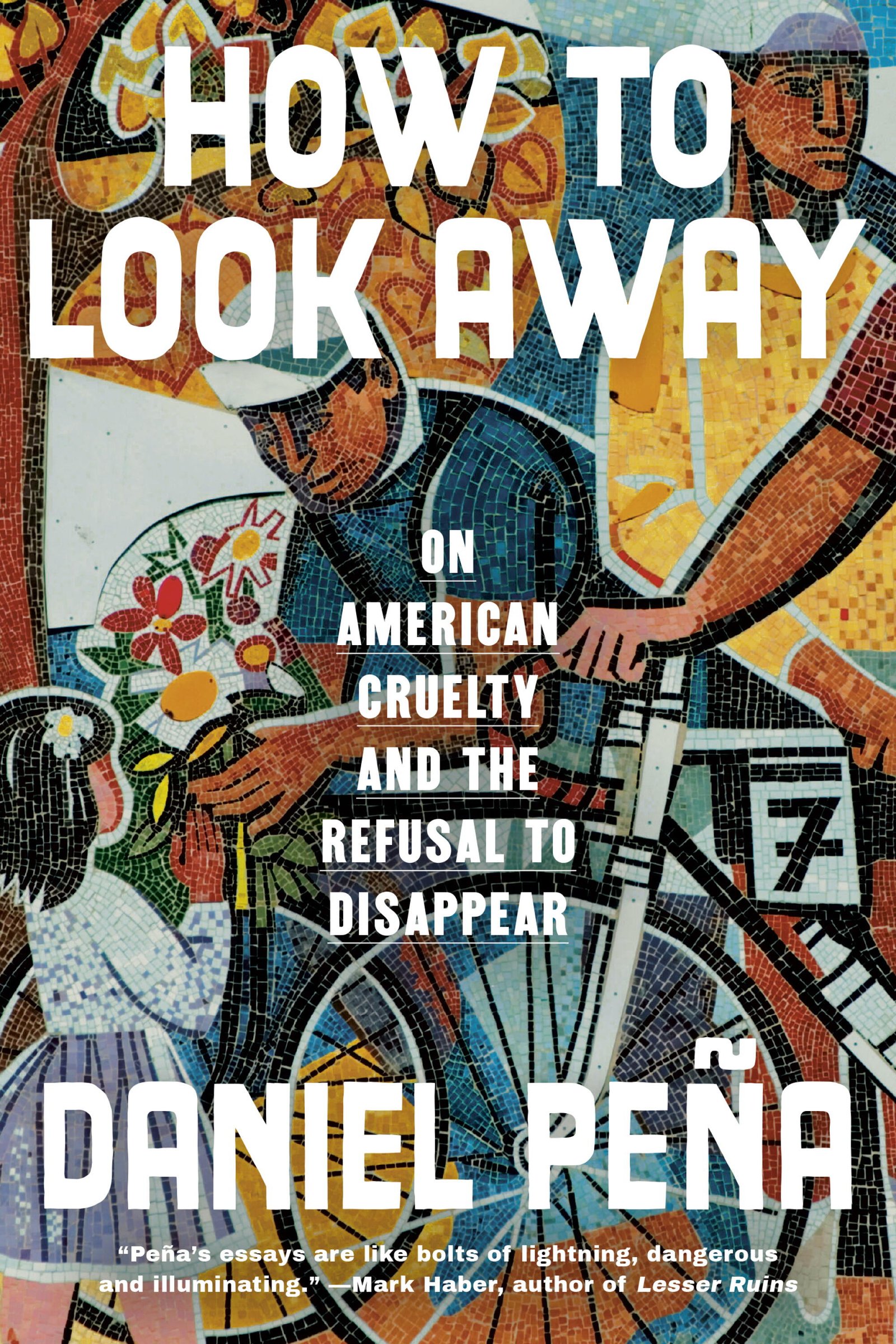
Daniel Peña examines the normalization of state violence in “How to Look Away: On American Cruelty and the Refusal to Disappear” (One World, 208 pp., $28, Oct. 6). Prompted by a question posed to him on a BBC podcast regarding the line between witness and voyeur, the Pushcart Prize-winning author assembled a series of essays addressing the treatment of Mexican and Native American communities. Peña draws on his own experience of being stopped twice by U.S. Immigration and Customs Enforcement to analyze how immigration enforcement policies divide populations into those authorized to use force and those subjected to it.