Merz Hit by Historic State Election Collapse as Germany’s Political Center Fractures
Historic CDU losses deepen Germany’s political crisis
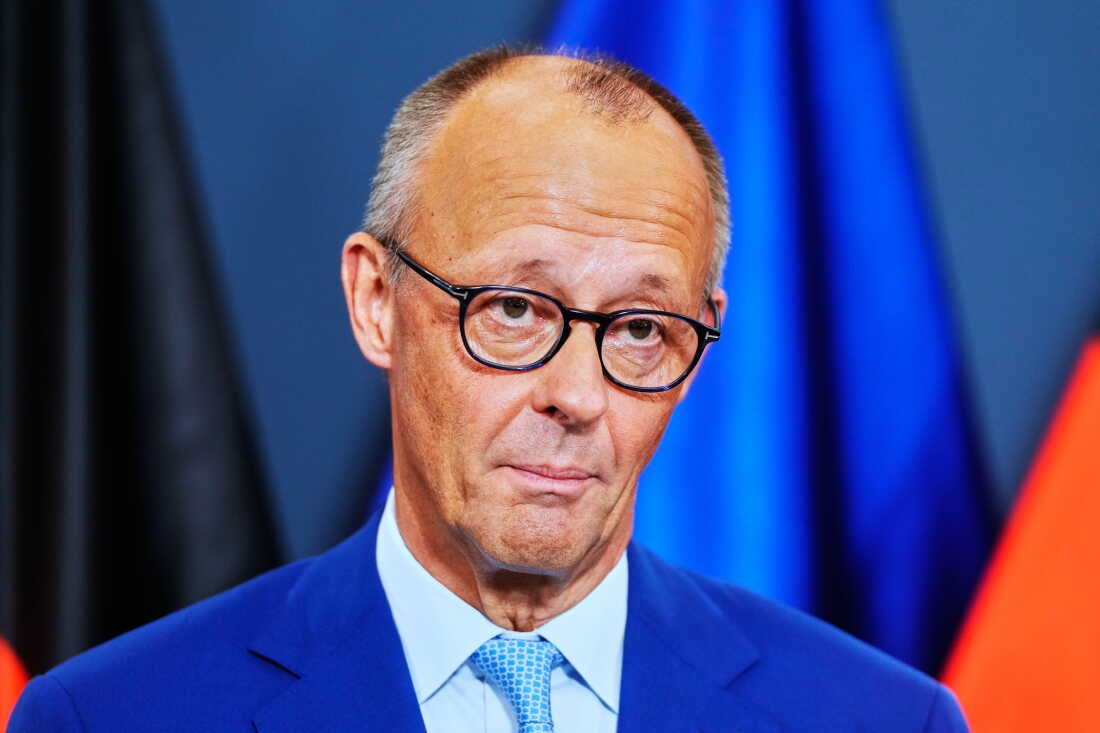
BERLIN — Friedrich Merz’s center-right government is fighting for its political survival after devastating state election defeats in Berlin and Mecklenburg-Western Pomerania on Sunday. Mainstream support collapsed in favor of populist forces on both the left and the right, intensifying the polarization of German politics.
In Mecklenburg-Western Pomerania, the CDU received just 5% of the vote, according to exit polls broadcast by public network ARD on Sunday night. It was the party’s worst performance in any German state election since the end of World War II.
The state is historically symbolic for the CDU and was the long-time political home of former Chancellor Angela Merkel. The anti-migration, nationalist Alternative for Germany (AfD) captured significant ground there, continuing its recent surge across Germany’s eastern regions.


Berlin voters moved in the opposite ideological direction. Exit polls showed the socialist Left party (Die Linke) finishing first with 24.5% of the vote, while the CDU came second with 20%.

The results have severely compromised the authority of the 70-year-old chancellor, who took office 16 months ago on a platform of economic renewal. Merz canceled a high-profile trip to New York for next week’s United Nations General Assembly so he could remain in Berlin and manage the mounting fallout within his Christian Democratic Union (CDU).
Germany’s 16 state governments appoint representatives to the Bundesrat, the upper chamber of the national parliament. As the CDU loses power or is forced into complicated, multi-party regional coalitions, Merz’s ability to secure legislative approval for federal policies faces a steep uphill battle.
The dual defeats underscore a deepening structural shift in Germany’s post-reunification political landscape, with traditional centrist coalitions increasingly squeezed by ideological extremes. Regional fragmentation has direct, paralyzing consequences for federal governance.
Speaking to reporters at CDU headquarters in Berlin on Sunday, Merz called the result in Mecklenburg-Western Pomerania a “disaster.” He rejected calls to change his administration’s trajectory or step down, arguing that the economic stagnation affecting Europe’s largest economy requires steady, even if unpopular, leadership.
“We will move forward with backbone, steadfastness, and patience,” Merz said. He argued that Germany’s structural challenges make his proposed economic reforms more vital than ever.
Merz entered the chancellorship with a mandate to reverse years of low growth, high energy costs, and industrial decline. Germany’s powerhouse manufacturing sector has struggled to recover from the loss of cheap Russian natural gas following the war in Ukraine. High inflation and a severe shortage of skilled labor have compounded the pressure.
His proposed remedy includes deregulation, fiscal restraint, and labor market flexibility. The program has met stiff resistance from unions and voters weary of austerity, contributing to Merz’s low personal approval ratings.
The latest setbacks came after a seismic defeat on Sept. 6 in the eastern state of Saxony-Anhalt. The AfD’s strong performance there positioned the far-right party to potentially lead a state government for the first time in post-war German history, renewing anxieties over the resilience of Germany’s democratic institutions against right-wing nationalism.
Mainstream German parties have historically maintained a cordon sanitaire, refusing to enter governing coalitions with the AfD at any level of government. But as the AfD’s share of the vote grows, forming stable majority state governments without the party has become mathematically and politically challenging, often requiring highly unstable alliances between ideologically disparate parties.
A long-time corporate lawyer, Merz spent years in the political wilderness after being sidelined by Merkel in the early 2000s. He presented himself as the figure who could win back disillusioned conservative voters from the AfD by returning the CDU to its traditional, right-of-center roots.
Instead, the party’s poor showings have prompted quiet discussions within the CDU about Merz’s leadership. Party elders have so far publicly warned against entering destructive internal debates.
With federal elections on the horizon and his legislative agenda hanging in the balance, Merz’s decision to remain in Berlin reflects the urgency of stabilizing his coalition. He faces the task of defending his reform plans before a skeptical public and a restive party as Germany’s political margins continue to expand at the expense of the center.