How Disaster Teams Recover and Return Belongings After U.S. Wildfires, Floods and Tornadoes
Searches begin before debris clearance; restoration and ownership checks can continue long afterward.
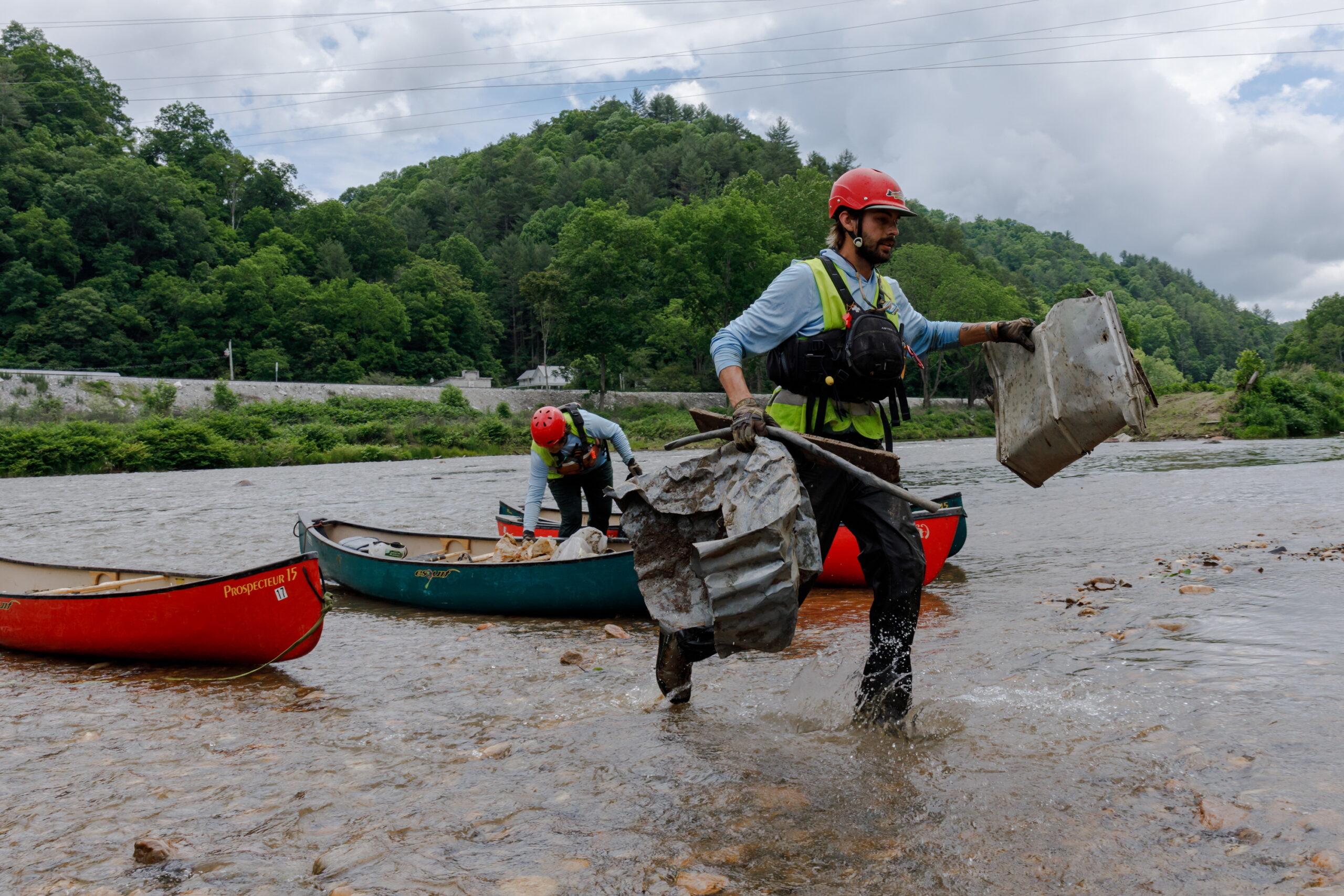
Before heavy machinery clears structural debris from private property after a major U.S. disaster, specialized teams search for valuable and sentimental belongings. The work takes place alongside emergency response and infrastructure clearance, within multi-phase debris-removal frameworks administered by the Federal Emergency Management Agency (FEMA), the Environmental Protection Agency (EPA) and the U.S. Army Corps of Engineers (USACE).
In areas burned by the 2018 Camp Fire in California and the 2023 Lahaina wildfire in Hawaii, volunteer archaeologists, forensic specialists and cultural monitors have manually sifted ash through wire mesh screens. They look for non-combustible objects such as precious metals, safe deposit boxes, ceramic heirlooms and military honors.


Wind and water can scatter property much farther. Violent updrafts in high-intensity tornadoes, including the 2011 EF5 storm in Joplin, Missouri, can carry documents, photographs and lightweight heirlooms into the troposphere, across state lines and more than 100 miles from where they began. Volunteers dealing with that dispersal log GPS coordinates, visual descriptions and condition reports in centralized public databases, using Geographic Information System (GIS) mapping to help locate items.
Recovered paper and photographs require prompt attention: mold can begin to damage waterlogged materials within 24 to 48 hours. Conservators use vacuum freeze-drying to move moisture directly from ice to vapor without melting water-soluble inks. Mud and sediment are gently rinsed from water-damaged photographs in distilled water baths before the images are air-dried on absorbent material.
Finding an object does not by itself establish who owns it. Municipal authorities and long-term recovery groups (LTRGs) require claimants to show proof of residence at the recovery address, historical photographs, or precise descriptions of distinctive features, serial numbers or inscriptions. Region-specific social media reunification groups also compare photographs of found belongings with requests from displaced residents.
Other restoration work depends on the damage. Technicians remove carbon deposits and corrosive chemicals from metal and ceramic objects recovered in burn zones with ultrasonic cleaning tanks and delicate mechanical brushing, taking care not to damage the surfaces beneath. Non-profit preservation groups, including Operation Photo Rescue, use conservation techniques to stabilize damaged materials.
Under local municipal lost-property statutes, unclaimed belongings are held for extended periods. After local staging operations end, unidentified items are scanned, digitally cataloged and kept in secure local facilities or regional archives. Even with advanced recovery technology and operations lasting multiple years, some property cannot be recovered because of complete structural incineration, burial in deep flood silt or severe environmental exposure.