GOP Lawmakers Break With Trump Over Russia Sanctions Waiver
Senators from both parties condemn the executive order gutting the Graham Act's tariff threats on Russian energy buyers.
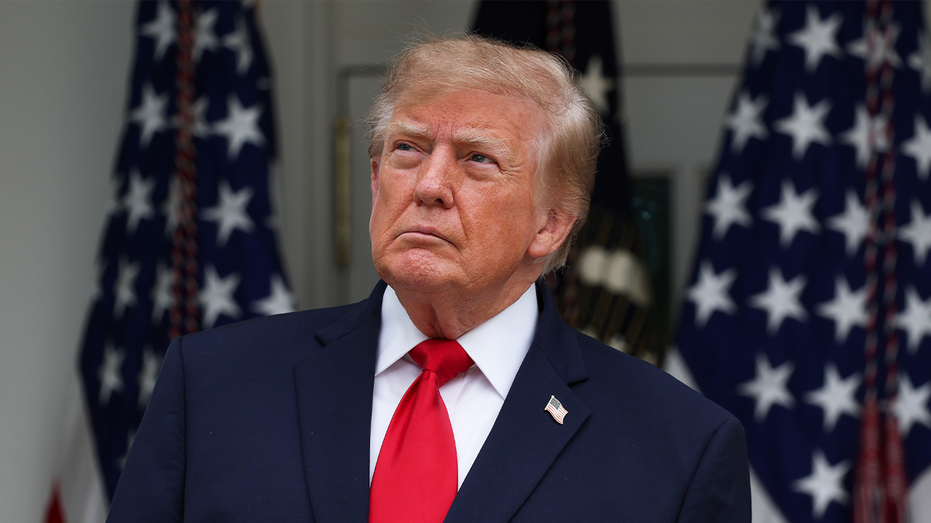
President Donald Trump dismantled the core enforcement mechanism of his own Russia sanctions law on Friday, triggering a rare bipartisan revolt from the senators who passed it just weeks earlier. The executive order waives tariffs and penalties under the Graham Act, legislation designed to punish countries buying Russian energy.
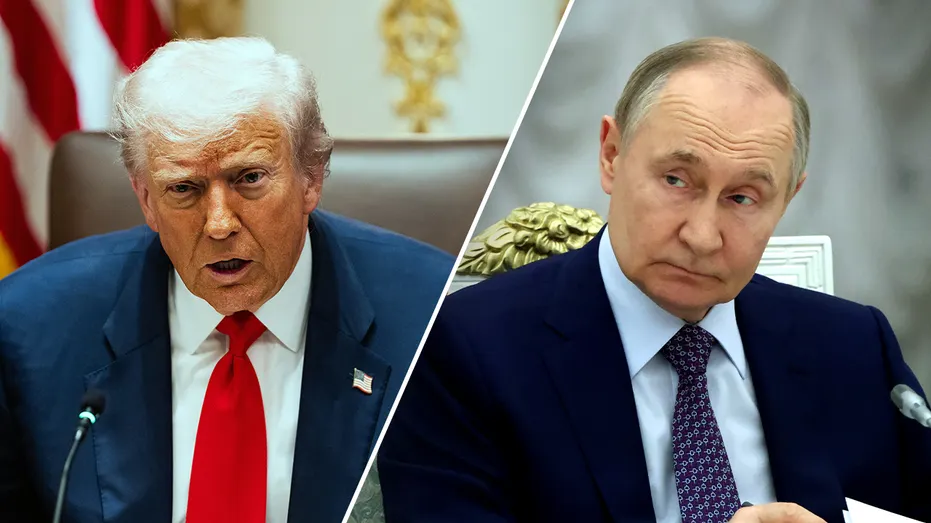
The move effectively neutralizes the threat of 100% tariffs on imports from nations purchasing Russian oil and gas. It follows a separate agreement between Trump and Russian President Vladimir Putin to flood global markets with millions of tons of Russian diesel, an arrangement aimed at suppressing fuel costs that have climbed alongside the wars in Ukraine and Iran.


Sen. Thom Tillis, R-N.C., pointed directly to the Senate’s 86-11 vote in favor of the underlying bill. “What part of enforcing a law passed 86-11 by the Senate does the President and his advisors not understand?” Tillis wrote on X, calling the waiver “beyond irresponsible.”
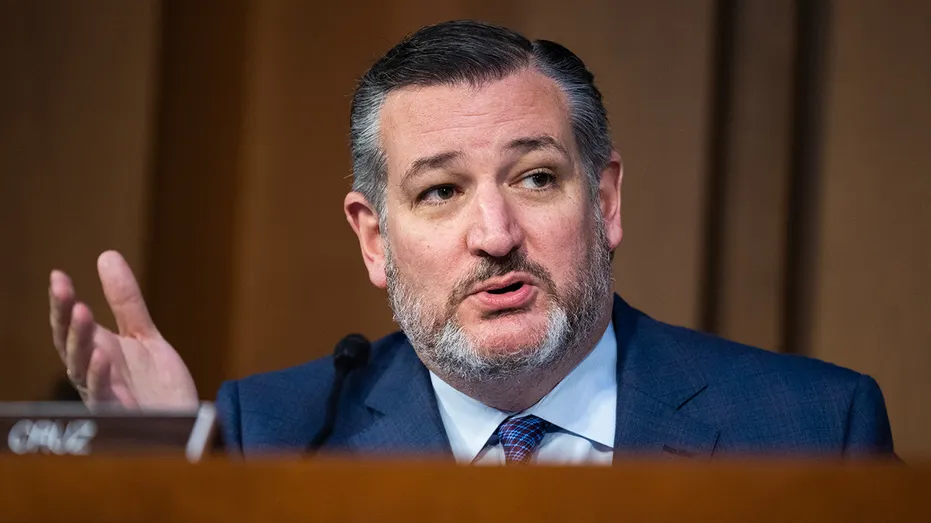
Former U.N. Ambassador Nikki Haley labeled the decision a “terrible misjudgment of Putin.” Sen. Ted Cruz, R-Texas, told Fox News he would advise Trump against the waiver if asked, acknowledging the president was likely motivated by rising gasoline and diesel prices but arguing the step remained a mistake.
The Graham Act carried the backing of the late Sen. Lindsey Graham, R-S.C. His successor, Sen. Darline Graham, R-S.C., told Reuters she would have preferred to maintain economic pressure because she does not trust Putin or Russia.
Democrats joined the criticism. Sen. Richard Blumenthal, D-Conn., a co-drafter of the legislation, said the waivers had nothing to do with national security and were intended to appease Moscow.
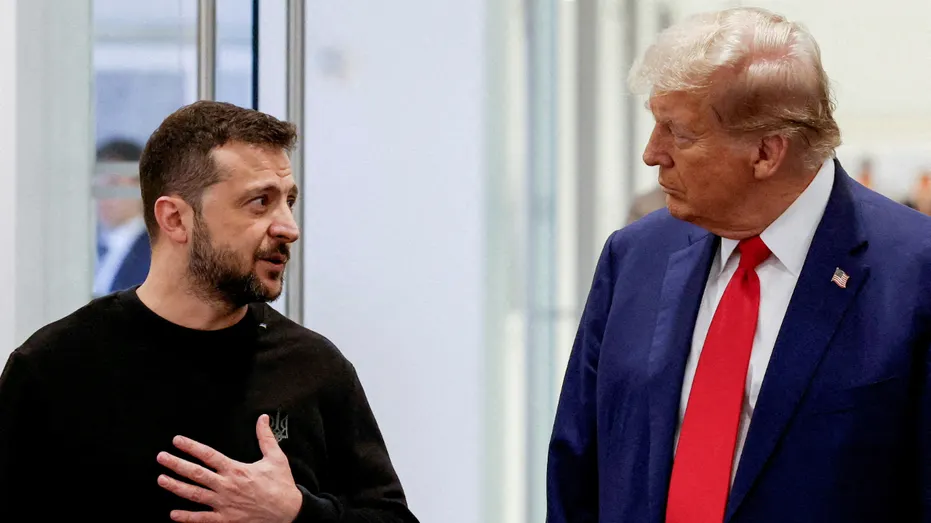
Ukrainian President Volodymyr Zelenskyy warned the rollback benefits only Russia. “It only fuels their satisfaction and their desire to keep killing people,” Zelenskyy wrote on X.
Trump defended the action Saturday, telling reporters it served the “national interests of the United States” and would prove good for the world. The order leaves intact certain Russia-related sanctions imposed under previous executive actions.
Former U.S. Energy Secretary Dan Brouillette has separately outlined the market impact of the administration’s reported Russia diesel deal.