
Gemini Takes Over Android Auto With a More Conversational Driving Assistant
Google brings conversational AI to more than 200 million Android Auto vehicles
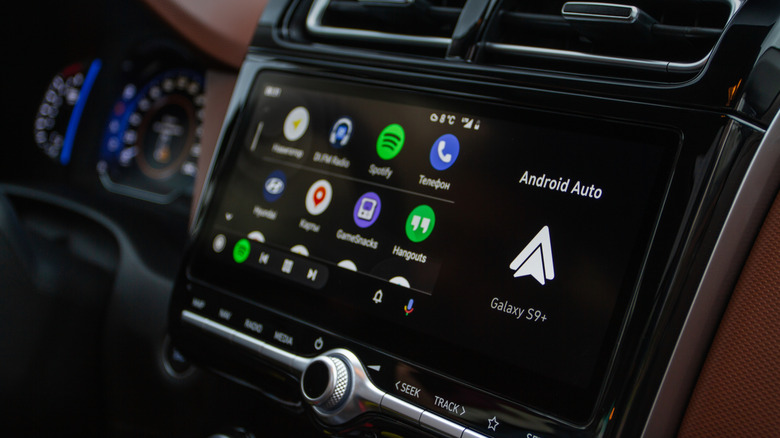
MOUNTAIN VIEW, Calif. — Google is globally rolling out Gemini across Android Auto, replacing the traditional Google Assistant and changing how drivers interact with the company’s automotive interface. The shift moves in-vehicle voice interactions away from structured keyword commands and toward conversational language processing.
Android Auto mirrors mobile device interfaces onto compatible vehicle head units through wired or wireless connections and is installed in more than 200 million vehicles worldwide. The new integration brings large language model capabilities directly to dashboard displays, supporting complex, multi-turn interactions without rigid command syntax.
The deployment is automatic for users worldwide, although vehicle owners can manually choose the generative assistant from their mobile device settings. The option is available through **Settings > Connected devices > Android Auto > Manage your digital assistant > Digital assistants from Google > Gemini**. After it is selected, Gemini manages the primary voice interface functions previously handled by the standard Google Assistant.


Drivers can ask Gemini about nearby locations, including restaurants along a route, and then continue with questions about parking availability or user reviews without repeating the establishment’s name. Unlike legacy automotive voice systems that depend on specific phrases, Gemini uses context-retention algorithms to maintain continuous dialogue across consecutive interactions.
The assistant also handles communication tasks intended to reduce interaction with mobile screens. It can parse incoming group chat notifications, produce condensed verbal summaries rather than read each message one by one, and draft replies using natural language context. Outbound messages can include live estimated time of arrival (ETA) data automatically, while incoming and outgoing communications can be translated in real time across more than 40 languages.
Google Workspace tools are connected to the in-vehicle assistant as well. While driving, users can access Gmail messages, Google Calendar schedules, and linked note-taking applications hands-free. Gemini can retrieve operational details from emails, including check-in instructions or event addresses, and read back daily schedules.
The same system supports open-ended dialogue, including extended conversations, brainstorming sessions, and verbal practice for presentations. Its audio functions also move beyond exact-title searches: a driver can ask for “something upbeat” or “something mellow,” and Gemini will interpret the description and start playback through connected streaming services.
Google’s automotive history with Android Auto began in March 2015, after the platform was announced at Google I/O in June 2014. Google Assistant arrived in May 2016 as the core voice interface for Android devices and vehicles, replacing Google Now. The company first introduced its generative AI model as Bard in March 2023 and renamed the technology Gemini in February 2024.
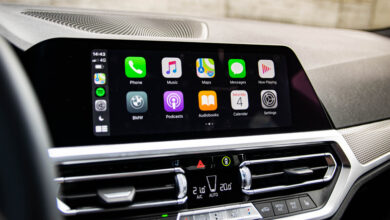
The rollout is taking place as technology platforms compete for control of vehicle dashboard software. Apple’s CarPlay ecosystem and original equipment manufacturers developing native Android Automotive OS (AAOS) platforms are also embedding artificial intelligence tools into vehicle cockpits for navigation, messaging, and vehicle controls.