

From Ella Langley’s Record Run to Coachella’s Viral Aftershocks
Chart records, festival momentum, and independent breakthroughs shaped the season
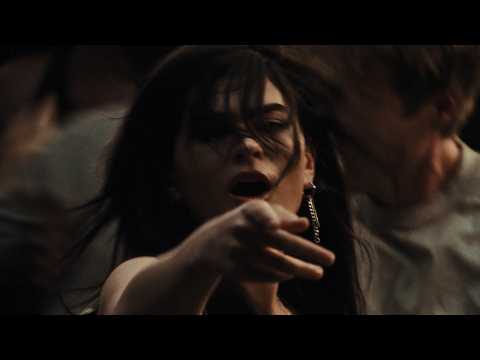
The astronomical arrival of the autumn equinox on Sept. 23 officially concludes the summer music season, a period marked by record-setting commercial runs, festival-driven audience revivals, archival sampling, and short-form video virality. Listener engagement remained fragmented across digital platforms, live venues, and traditional airplay rather than gathering around one dominant hit.
That pattern continues trends from prior years, when consensus picks shared space with high-volume metrics. Sabrina Carpenter’s “Manchild,” Kendrick Lamar and SZA’s “Luther,” and Alex Warren’s “Ordinary” appeared alongside earlier singular summer smashes such as Pharrell Williams’ “Happy,” which spent 10 weeks at No. 1 on the Billboard Hot 100 in 2014, and Iggy Azalea’s “Fancy.”
Country vocalist Ella Langley reached a major commercial milestone with “Choosin’ Texas,” which spent 22 weeks atop the Billboard Hot 100 and tied the record held by Mariah Carey’s 1994 holiday track “All I Want for Christmas Is You.” The single’s Southern drawl and regional nightlife lyrics include: “She’s from Texas, I can tell by the way / He’s two steppin’ ‘round the room.”


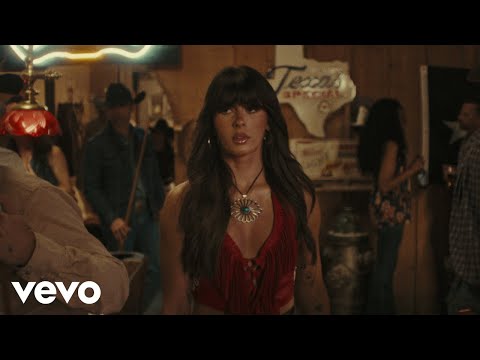
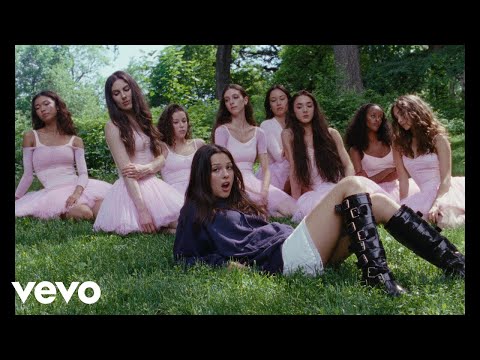
The Ella Langley track accumulated more than 500 million streams on Spotify and approached 100 million views on YouTube. In another major-label pop cycle, Olivia Rodrigo’s multi-single rollout for her third album, You Seem Pretty Sad for a Girl So in Love, demonstrated how streaming velocity dictates promotional cycles.
Rodrigo’s album third single, “stupid song,” reached 300 million streams within weeks of its commercial release, moving faster than the project’s second single, “the cure.” While “the cure” used intricate vocal bridges, listeners favored the cathartic design of “stupid song” over its melancholic tone.
Live festival appearances became a primary catalyst for music consumption, particularly at the annual Coachella Valley Music and Arts Festival in Indio, California. Electronic pop artist PinkPantheress experienced that effect with “Girl Like Me,” originally released on her May 2025 mixtape Fancy That.
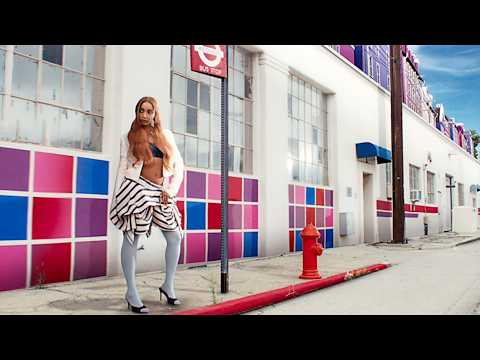
After her April 2026 Coachella set, PinkPantheress released an official music video directed by Lauzza and featuring shifting British architecture. Billboard reported a 165% increase in streaming activity for “Girl Like Me” over a four-week span. The song interpolates elements from “Romeo” and “Always Be There,” two tracks by the turn-of-the-millennium UK electronic duo Basement Jaxx.
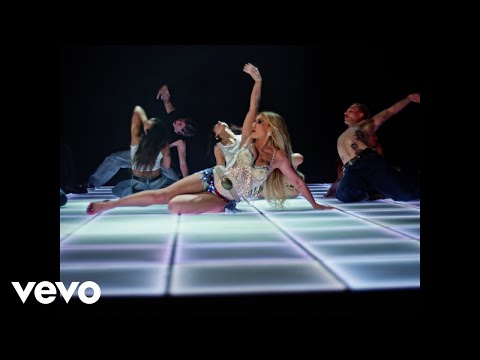
Pop singer Slayyyter also gained mainstream momentum through a viral Coachella appearance after debuting her self-titled mixtape in September 2019 and releasing the album Worst Girl in America. Its opening track, “Dance…,” begins with a full minute of pensive electronic buildup before synthesized hooks and heavy bass lines arrive.
The track prompted a TikTok and Instagram Reels trend in which creators acted fatigued before moving in sync with the beat drop. Slayyyter expanded that engagement with “brand new chanel$,” a preview from an upcoming project designed as a companion album to Worst Girl in America.
“brand new chanel$” uses a pop-oriented vocal approach and includes the chorus: “I‘m holding it alone just for tonight / I wonder if you / got her in your room / I call you on the phone to start a fight.” Its outro references Slayyyter’s earlier song “Beat Up Chanel$.” She wrote the track to process romantic trauma after discovering two days before her album launch, during Coachella rehearsals, that her partner had been unfaithful.
Karol G, slated to headline Coachella in 2026, reached international charts with the late-July single “BbY Wow,” featuring Judeline and rusowsky. The collaboration climbed to No. 1 on the Spotify global chart and collected more than 3 million streams in its first week.
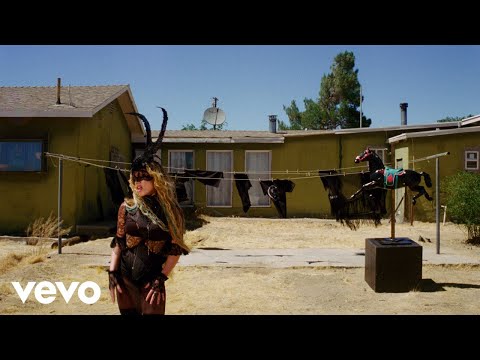
The song is built around a syncopated vocal sample from the “Coolie Dance Riddim,” an influential riddim track produced in 2003 by Jamaican dancehall producer Cordel “Skatta” Burrell. Festival exposure also affected the catalog footprint of NYC rock veterans The Strokes.
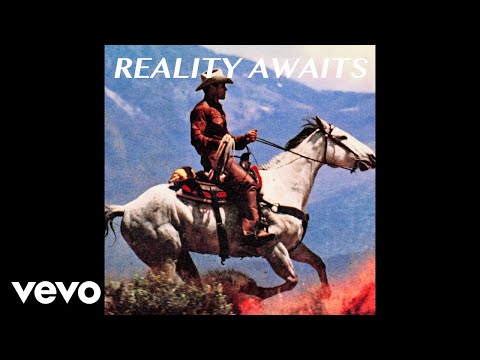
Following their first Coachella performance in 15 years and an August appearance at the Just Like Heaven festival at Pasadena’s Brookside at the Rose Bowl, The Strokes brought attention to “Dine N’Dash,” from their album Reality Awaits. Listeners debated frontman Julian Casablancas’ reliance on Autotune compared with the unpolished vocals on the band’s 2001 debut album Is This It.
“Dine N’Dash” places a smooth guitar riff behind Casablancas’ delivery: “We could never afford it / So we dine and dash / I would always go last.” Outside the major-label ecosystem, independent artists built audience reach through unconventional touring and production stances.
Electronic artist underscores achieved viral reach with “The Peace” after the March release of the album U. Moving away from previous conceptual releases, the song offers an intimate look at personal relationship dynamics through its opening lines: “I don’t speak unless I’m spoken to / And I won’t smoke unless you’re smoking too.”
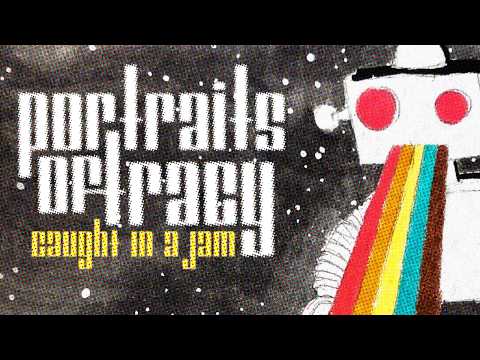
Built around a chopped vocal riff, “The Peace” gained momentum on social platforms and through DIY pop-up performances held out of the back of a U-Haul truck. Twenty-two-year-old musician Portraits of Tracy drew critical attention with “Caught in a Jam,” another track connected to an independent production stance.
The song appears on the EP Q: From Where Do Our Primal Instincts Originate? A: MTV! EP, which received a 7.6 score from music publication Pitchfork. Its funk-driven basslines and club-oriented lyrics include: “Oh, something changed in me, I felt it instantly / I had to hit the club so they could all see / Now I’m the dancing queen / F-f-f-far far from 17.”
The music video credits for “Caught in a Jam” include the explicit production note: “No generative AI was used at any stage in the production of this material.”










One Comment