Friendsgiving Side Dishes: What to Bring and How to Choose
Strategic potluck choices including regional stuffings, travel-friendly casseroles, and acid-driven salads that prevent duplicate dishes.
Choosing what to bring to a Friendsgiving dinner requires different logistics than planning a traditional family Thanksgiving. Without a single host dictating the menu, potluck coordination often falls to group chats where duplicate dishes pile up and essential categories get overlooked entirely.
The most strategic approach is selecting a side dish that travels well, holds its temperature outside of an oven, and fills a gap in the collective spread. While main courses are usually handled by the host, sides dictate the success of the meal.



Stuffing remains the most contested category at any November gathering. Traditional bread-based stuffing relies on dried cubes, celery, onion, thyme, and sausage. Regional variations have gained significant traction among younger demographics hosting peer dinners. Southern cornbread dressing uses crumbled cornbread instead of wheat bread, producing a denser, sweeter base that absorbs stock differently. Southwestern interpretations incorporate roasted green chiles, jalapeños, chili powder, and sharp cheddar cheese, transforming a standard poultry accompaniment into a standalone dish capable of anchoring the table.
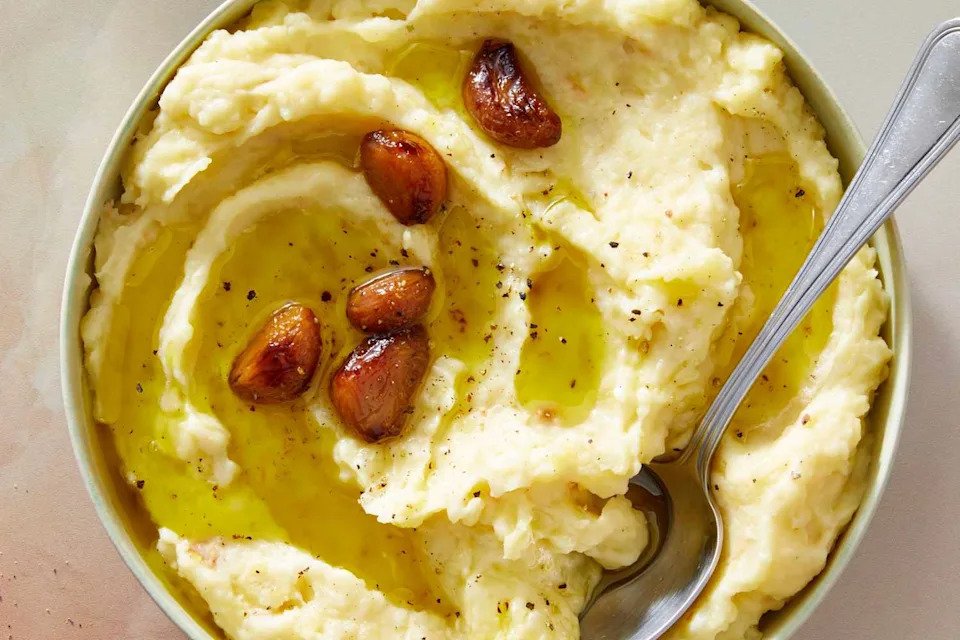
Potatoes present a distinct transport challenge. Garlic confit mashed potatoes — made by slowly simmering whole cloves in oil until soft before folding them into whipped russets or Yukon golds — offer deeper flavor than standard butter-and-milk preparations. However, dairy-heavy mashes congeal rapidly when removed from heat. Sweet potato casseroles, particularly those sealed under a marshmallow or pecan-streusel topping, retain ambient heat significantly longer due to their sugar density and structural crust.

Casseroles function as the most practical contribution for guests traveling more than twenty minutes to a venue. Green bean casserole, originally developed by the Campbell Soup Company in 1955, remains a baseline expectation, but modern iterations frequently substitute fresh haricots verts and homemade mushroom cream sauce for canned components. For groups navigating multiple dietary restrictions, vegetable-forward bakes eliminate the need to coordinate separate vegan or vegetarian menus.
Raw slaws and composed salads serve a specific physiological purpose during heavy autumn meals. The high acidity in vinaigrettes and the crunch of raw cabbage, fennel, or shredded root vegetables cut through the fat rendered by roasting pans and butter-laden starches. A Thanksgiving-specific slaw utilizing shaved Brussels sprouts, tart apples, and toasted pumpkin seeds provides textural contrast without requiring oven space upon arrival, a critical advantage when hosts are managing limited kitchen infrastructure for dozens of guests.
Coordinating these categories before the event prevents the common scenario of arriving with four identical macaroni and cheese pans and zero acid-driven palate cleansers. Shared digital spreadsheets or designated menu boards in group messaging apps allow attendees to claim specific culinary roles in advance.
Friendsgiving gatherings across the United States peak during the weekend immediately preceding the fourth Thursday of November, allowing friend groups to celebrate independently before dispersing to their respective hometowns for the federal holiday.