

Freedom Caucus Faces Its Biggest Exodus in a Decade
At least 10 members are leaving as the conservative bloc navigates a battle over its future
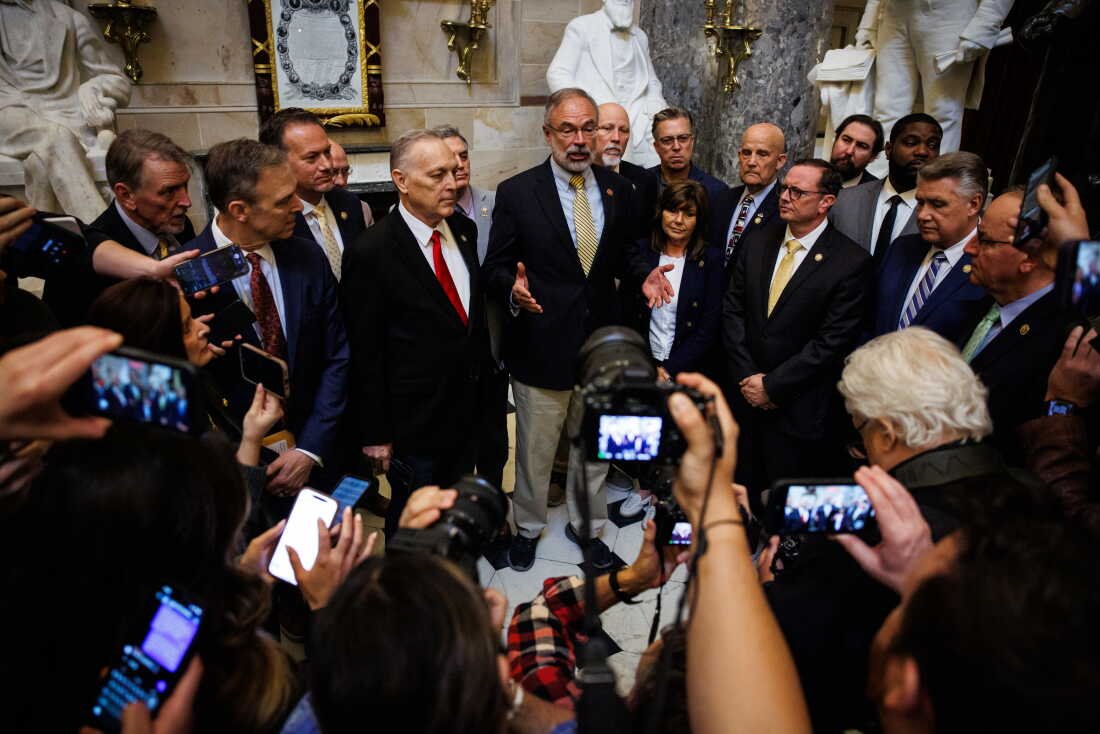
At least 10 members of the House Freedom Caucus will not return next term because of retirements, departures, and campaigns for higher office. Others face competitive re-election fights in November. The influential bloc of conservative lawmakers has repeatedly disrupted Washington’s legislative process for a decade, and its historically tight-knit roster of roughly 30 to 45 representatives is now undergoing one of the most significant structural shifts in its history.
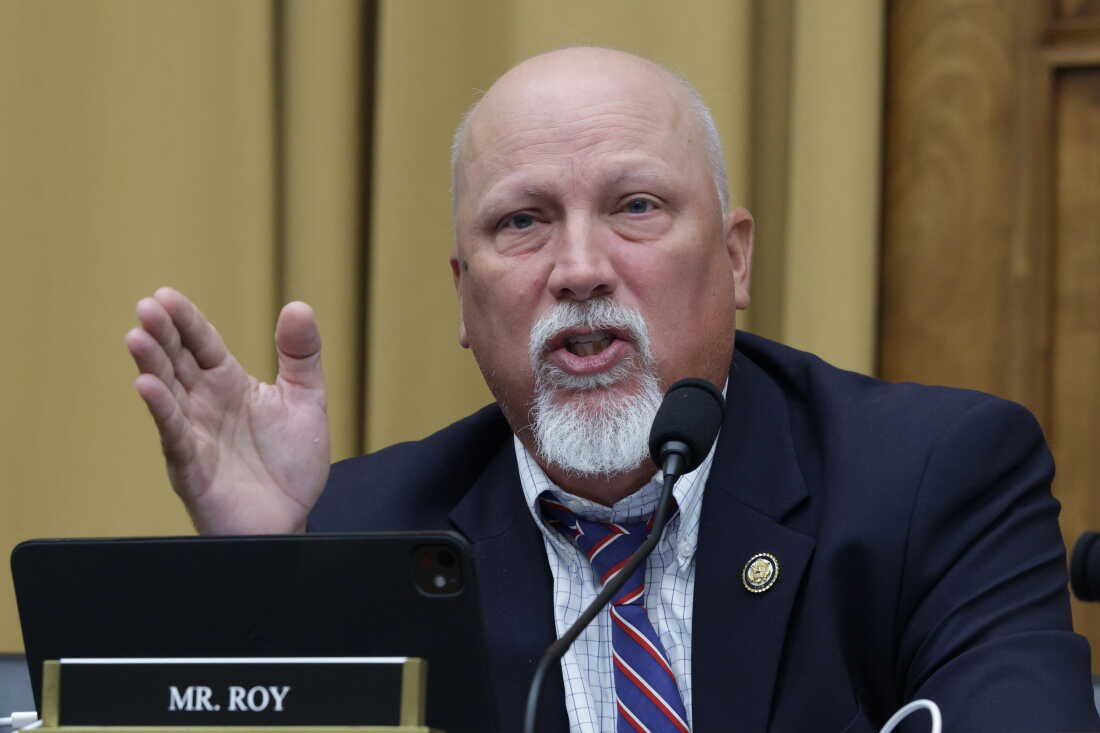
Among those leaving are some of the caucus’s most prominent procedural strategists and public advocates, including Rep. Chip Roy of Texas and Rep. Ralph Norman of South Carolina. Rep. Andy Biggs is running for governor in Arizona, Rep. Byron Donalds is running in Florida, and Rep. Thomas Tiffany is running in Wisconsin, with each seeking a state executive post with an endorsement from former President Donald Trump.



The caucus was formed in January 2015 by nine Tea Party-aligned conservatives: Rep. Jim Jordan of Ohio; then-Reps. Mark Meadows of North Carolina, Mick Mulvaney of South Carolina, John Fleming of Louisiana, Matt Salmon of Arizona, Raúl Labrador of Idaho, Justin Amash of Michigan, Scott Garrett of New Jersey, and Ron DeSantis of Florida. Its rules created a strict organizational framework intended to maximize backbench leverage: when 80% of the caucus agrees on a position, the entire group must vote as a unified block on the House floor.
Former Rep. Matt Salmon served an initial stint in the House during the 1990s before returning in 2013. He said Congress once followed “regular order,” passing 12 standalone appropriations bills through committee deliberation to deliver balanced budgets. By the time the Freedom Caucus was founded during Barack Obama’s presidency, House leadership had increasingly shifted toward negotiating massive omnibus spending bills behind closed doors.
That conflict with centralized House authority soon placed the group against then-Speaker John Boehner, R-Ohio. The caucus mounted repeated parliamentary blockades in 2015, and Meadows filed a motion to vacate the chair against Boehner in July of that year. Boehner resigned two months later, and in 2017 he described the caucus’s members as “anarchists” focused on total chaos rather than governance.

In January 2023, a tight Republican majority gave conservative holdouts enough leverage to force 15 rounds of balloting over four days before Kevin McCarthy was elected Speaker. Caucus negotiators secured seats on the House Rules Committee for Roy and Norman, along with promises to bring individual spending bills to the floor and a rule restoring the ability of a single lawmaker to offer a motion to vacate the Speaker’s chair.
The restored rule was weaponized in October 2023 to remove McCarthy from office. The caucus’s procedural brinkmanship had reached a high-water mark during the earlier Speaker election, while its internal identity continued to navigate a tension between Article I institutionalists and loyalists to the MAGA movement. The institutionalists focused on limiting federal spending and protecting congressional power.

During Donald Trump’s presidency, several founding members moved directly into executive leadership. Mulvaney and Meadows both served as White House Chiefs of Staff. Fleming served as Deputy Chief of Staff before becoming Louisiana’s state treasurer, while Jordan became a central ally of both Trump and House leadership as he moved through the committee chair ranks.
Salmon told reporters that the caucus originally formed to defend Article I constitutional authorities and force regular order, but gradually morphed into a cheering squad for the executive branch. Fleming offered a different perspective, describing the Freedom Caucus as a precursor to Trump’s political movement and as aligned with Trump’s reform agenda.
Fleming said executive branch accountability was a paramount concern when a Democratic president held office. He argued that alignment with a reform-minded Republican chief executive naturally shifted the group’s focus.
That alignment has not been absolute. Members have repeatedly broken with party leadership and the executive branch over civil liberties and spending authority. The caucus resisted extensions of warrantless federal surveillance authorities under FISA Section 702, taking down procedural rule votes on the House floor to demand warrant requirements.
Members also challenged deficit-expanding legislation, including the One Big Beautiful Bill Act, although a majority of the caucus ultimately voted for the final legislation. According to Matthew Green, a professor at Catholic University and author of *Legislative Hardball: The House Freedom Caucus and the Struggle for Power in Congress*, the tension between maintaining parliamentary independence and capitalizing on executive power has defined the group’s internal debate.
Green said critics routinely predict the caucus’s demise after election cycles, but the group has consistently adapted its tactics to retain leverage over the House floor. Current House Freedom Caucus Chair Rep. Andy Harris, R-MD, oversees the incoming transition as departing lawmakers maintain that the caucus’s fundamental role will remain essential.
Norman expressed optimism about the influx of new conservative members, saying the caucus adds distinct value by forcing federal spending deficits to the center of legislative negotiations. Roy said departing conservatives intend to advocate for systemic fiscal changes from outside the chamber.
Fleming suggested that future presidential administrations could lead the Freedom Caucus back toward its original posture as an aggressive institutional check on executive authority.









2 Comments