Florida Executes James Robertson After Tennessee Lethal Injection Failure
Robertson murdered his cellmate eight days before the victim's scheduled release to secure a death sentence, dying by a three-drug protocol that avoided Tennessee's recent complications.
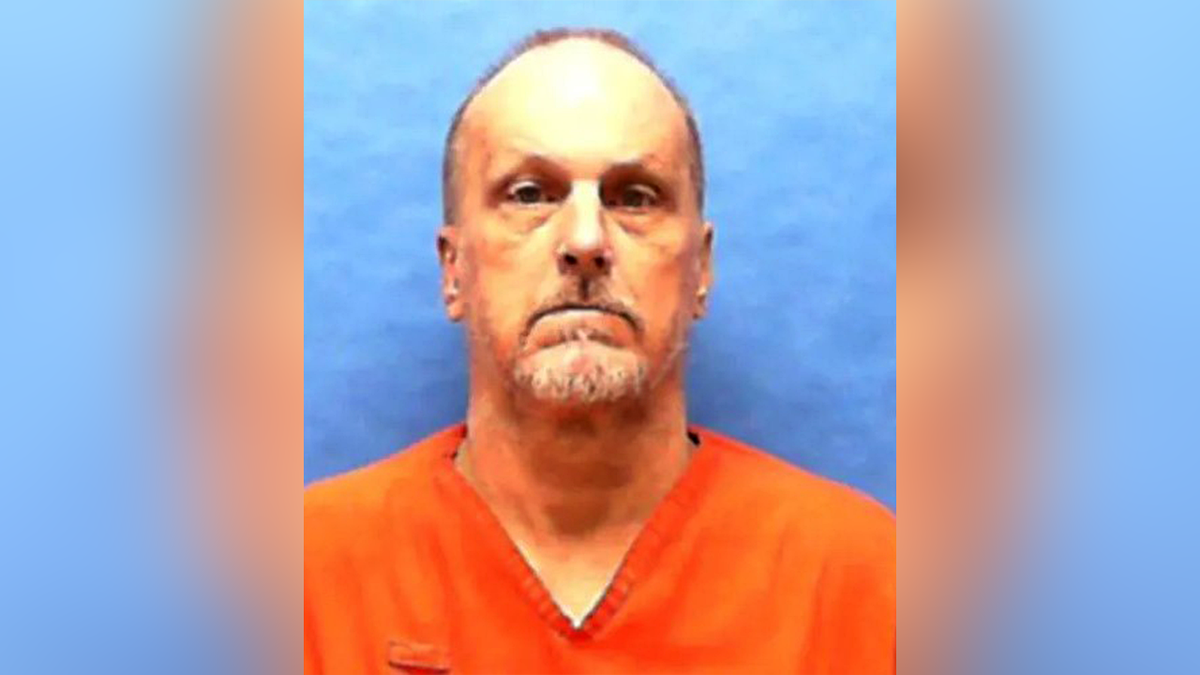
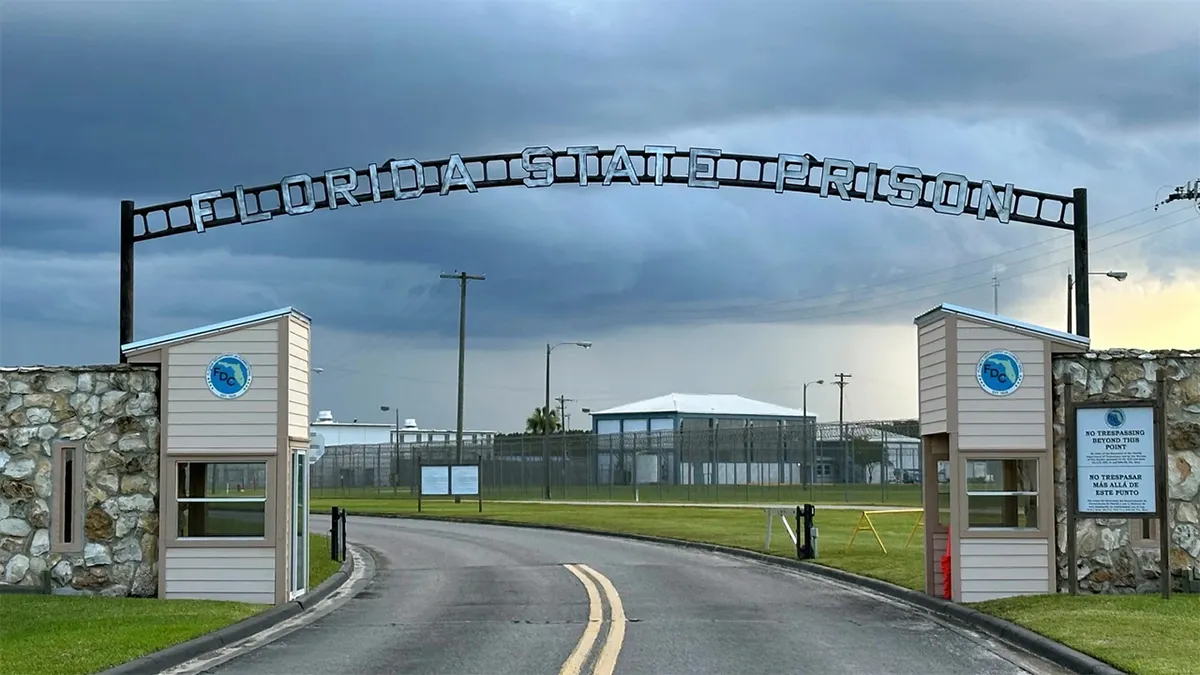
Florida carried out the lethal injection of James Robertson on Tuesday, executing the 63-year-old inmate who strangled his cellmate in 2008 specifically to receive a death sentence. The procedure at Florida State Prison concluded without complication roughly two weeks after a botched execution in Tennessee left another death row inmate hospitalized and triggered an independent state review.
Robertson was pronounced dead approximately 10 minutes after receiving Florida’s standard three-drug protocol: midazolam as a sedative, vecuronium bromide as a paralytic agent, and potassium chloride to stop the heart. He declined to offer final words, telling prison staff, “Nah, I’m straight.”
The execution stands in sharp procedural contrast to events in Tennessee earlier this month. Christa Pike survived two doses of pentobarbital during her scheduled execution and was rushed to a hospital in critical condition. Tennessee Gov. Bill Lee subsequently ordered an independent review of the state’s lethal injection practices. Pike has since been discharged from the hospital and returned to prison custody.

Tennessee relies on a single-drug pentobarbital protocol, whereas Florida shifted to its current three-drug combination in 2017 after pharmaceutical manufacturers restricted the sale of drugs previously used for capital punishment. Jordan Kirkland, a spokesperson for the Florida Department of Corrections, stated ahead of Robertson’s execution that the agency maintains a sound process designed to be humane and dignified, though he declined to comment directly on Tennessee’s procedures.
Robertson pleaded guilty to first-degree murder for strangling Frank Hart while the man slept in their shared cell. Hart had been serving time for a 2003 sexual battery conviction and was eight days away from his scheduled release when he was killed. Robertson told investigators he committed the murder because he preferred execution over spending the remainder of his life incarcerated. He waived all appeals.
Robertson entered the Florida prison system in 1980 at age 17 following burglary and assault convictions. A subsequent record of escape attempts, battery charges, and weapons offenses kept him behind bars continuously until his death.
Hart’s daughter, Rebecca Hart, spoke outside the prison following the execution, urging the public not to reduce her father to a footnote in Robertson’s history. “When someone you love is taken from you in such a violent way, the world keeps moving, even when a part of yours feels like it has stopped,” she said. “Other people go on with their lives, but you carry your loss into every tomorrow.”
Florida originally planned a rare double execution on Tuesday. Republican Gov. Ron DeSantis withdrew the death warrant last week for William Lee Thompson, 74, who was sentenced to death for the 1976 kidnapping and murder of 23-year-old Sally Ivester. DeSantis did not publicly explain the withdrawal but had temporarily stayed the execution the prior month pending a psychiatric evaluation. Defense attorneys argued Thompson suffers from dementia and deteriorating health requiring transfer to a medical facility rather than an execution chamber. This marked the first time DeSantis has withdrawn a death warrant. Former governors Bob Graham and Bob Martinez also signed warrants for Thompson in the 1980s, but decades of appeals prevented his execution under the electric chair, which was the state’s method at the time.
The pace of executions in Florida has accelerated significantly under DeSantis. The governor oversaw a record 19 executions in 2025, accounting for roughly 40 percent of the national total and marking the highest single-year figure for any Florida governor since the reinstatement of the death penalty in 1976. In July, the state executed two prisoners in a single day, the first time any U.S. state had done so in nearly a decade.
Nationally, 47 executions were carried out in 2025, the highest annual total since 2009. Florida alone accounts for more than half of the 31 executions completed across the United States so far in 2026.
Robertson was the state’s 17th execution this year. William Reaves, 77, convicted of fatally shooting a deputy in 1986, is scheduled to die on Oct. 20. Jesse Guardado, 64, convicted of robbing and killing a woman in 2004, faces execution on Nov. 5.
Texas recently executed Jamaal Howard using pentobarbital, proceeding despite defense concerns regarding the same drug involved in the failed Tennessee execution of Christa Pike.