

First Frost Warning: Protect Tender Plants Before Temperatures Drop
Which garden plants face the highest frost risk and how to shield them before the first freeze
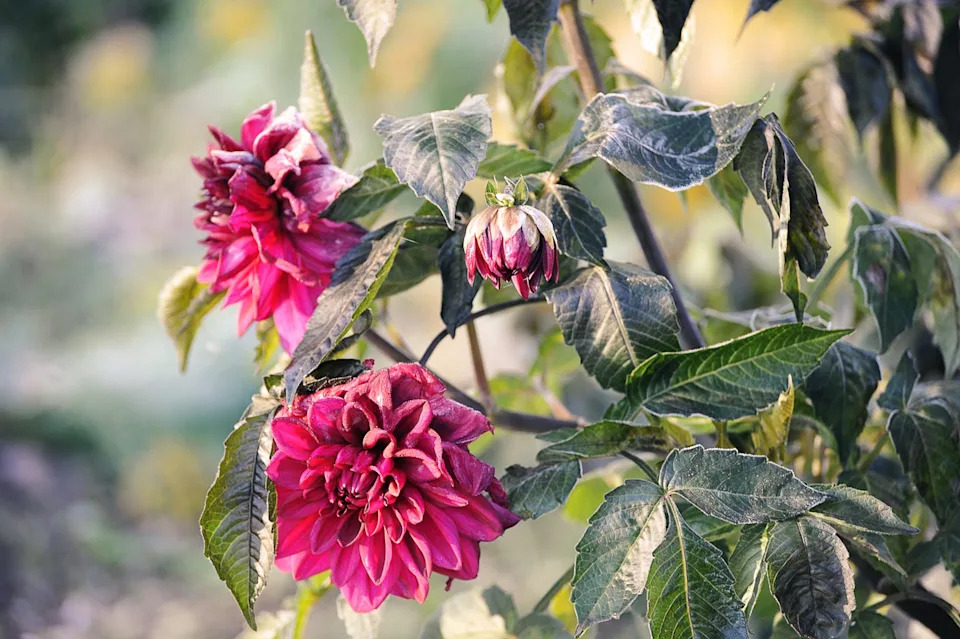
Gardeners across much of the country should treat the first autumn frost as a deadline rather than a gradual transition. The window between the last warm day and the first freezing night is shorter than most people expect, and the damage it inflicts on tender garden plants can be total.
The reason first frost hits harder than later cold snaps is biological, not meteorological. After a warm summer and wet fall, many plants are still pushing out fresh, succulent growth. That tissue is saturated with water and has thin, unhardened cell walls. When temperatures drop below 32 degrees Fahrenheit, the water inside the cells freezes and expands, rupturing the cell walls. The result is the familiar blackened, collapsed appearance that looks worse than the actual loss — but in tender species, it frequently means the end of the plant.
Later in the season, plants naturally undergo a hardening-off process, building up sugars and developing thicker cell walls that resist ice formation. The first frost arrives before that adaptation can occur, which is precisely why a light frost that a winter-hardy perennial would shrug off can destroy a dahlia or a begonia outright.


The plants most likely to be lost
Three groups consistently top the list of casualties: begonias, dahlias and cosmos. These share a common origin story — all are native to or domesticated in warmer climates, and none evolved a mechanism for surviving ice inside their tissues.
Begonias are half-hardy bedding plants, meaning they will tolerate a chill but not freezing. When temperatures dip below freezing, the foliage turns black within hours and the plant usually cannot recover. Dahlias present a different kind of risk. Their underground tubers are essentially water storage organs; freeze the tuber and the internal walls burst, so the plant will not regrow in spring even if the tops look merely wilted.
Cosmos are tender annuals from warm regions whose stems, foliage and flowers blacken and collapse with even a light frost. Unlike hardier fall-blooming species, they have no natural resilience to subfreezing temperatures, so a single cold night can end weeks of flowering.
Dahlias store water in their tubers that can freeze and kill the plant.
fordeno – Getty Images
How to shield plants overnight
Protection does not require special equipment. The objective is to slow heat loss from the soil and the plant canopy, not to generate warmth. Lightweight frost cloth or horticultural fleece works best because it breathes while trapping a layer of warmed air around the plant. A clear plastic cloche produces a similar effect. Even an old bedsheet will do in a pinch.
The critical detail is timing and removal. The cover should go on before nightfall, once the ground and plant have absorbed daytime heat, and come off the next morning. Leaving fabric or plastic on through the day traps moisture and cuts off circulation, which raises the risk of fungal rot and mold — often a worse outcome than frost.
Begonias are one of the least cold-hardy plants and are usually the first to die off after a frost.
tc397 – Getty Images
Containers demand extra care because pot roots are exposed on all sides, not just from above. Relocating pots and hanging baskets against a south- or west-facing brick or stone wall can raise ambient temperature a few degrees. Masonry absorbs solar heat during the day and radiates it slowly after sunset, and that margin is frequently enough to prevent ice from forming on the foliage.
Cosmos are fragile annuals that favor warm climates—they don’t do well in the cold.
zepperwing – Getty Images
Soil insulation and dahlia storage
Mulch is the most underused defense in autumn gardening. A layer of compost, bark chips or fallen leaves around the base of plants stabilizes soil temperature and keeps moisture levels consistent. More importantly, it buffers roots against repeated freeze-thaw cycles, which can heave plants out of the ground and damage fine root systems. The goal is steady temperatures, not maximum warmth — a few inches of loose, airy mulch is sufficient.
For dahlias specifically, the reliable strategy is lifting the tubers in late fall after the first frost has blackened the tops. Digging them up, letting them dry, and storing them in a cool, frost-free place with dry peat or sand preserves them through winter far more reliably than leaving them in the ground in anything but the mildest climates.
The frost date varies widely by location, which is why gardeners are advised to check their local hardiness zone and the expected first-frost window for their county rather than relying on calendar dates alone. A late September frost is common in northern zones, while areas in the deep South may not see freezing temperatures until January or not at all.









