Why Your Car’s Name Survived 40 Corporate Vetoes
Trademark disputes and executive vetoes force automakers to stockpile backup names for every vehicle launch.
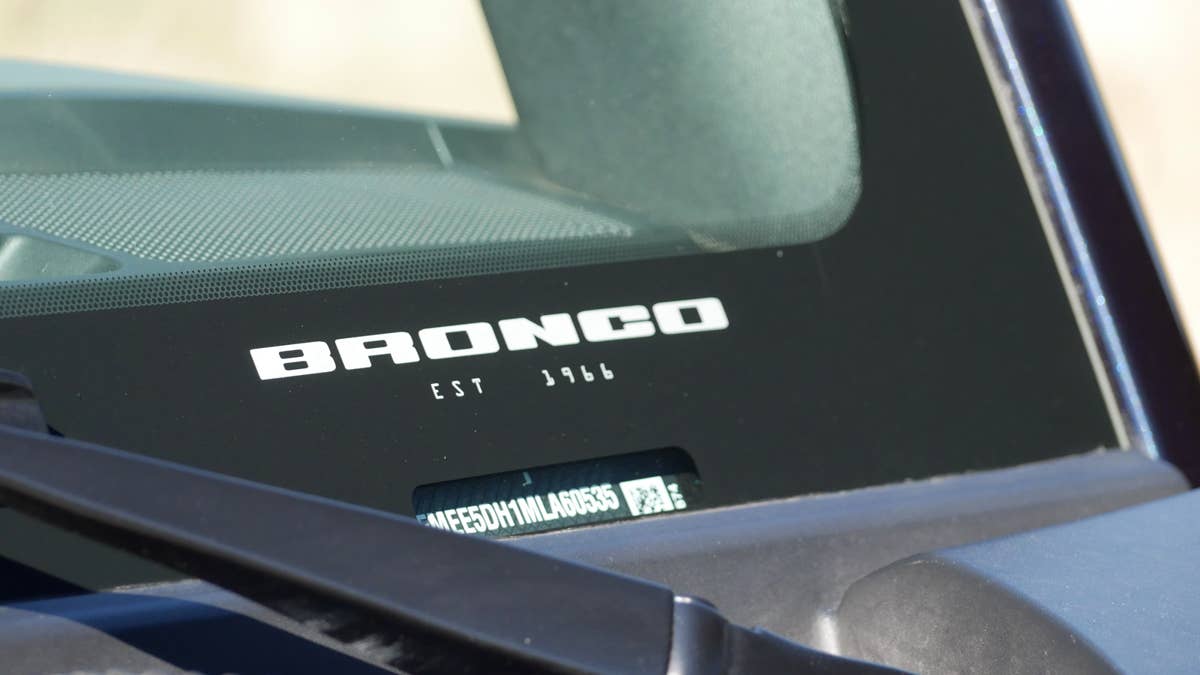
A single word on a trunk lid can dictate whether a new vehicle generates profit or becomes an expensive write-off. Behind that badge lies a bureaucratic gauntlet that costs automakers millions of dollars and months of legal maneuvering before a single sheet metal prototype hits the assembly line.
Ford Motor Co. names more than 100 vehicles and features every year, according to a recent company release. Scott Hauman, Ford’s global head of nomenclature, oversees a process that demands sign-offs from as many as 40 different people. Thousands of consumers test proposed names before executives ever see them. The objective is risk elimination in a global market where a mistranslated word or an overlooked trademark can trigger lawsuits or destroy regional sales.
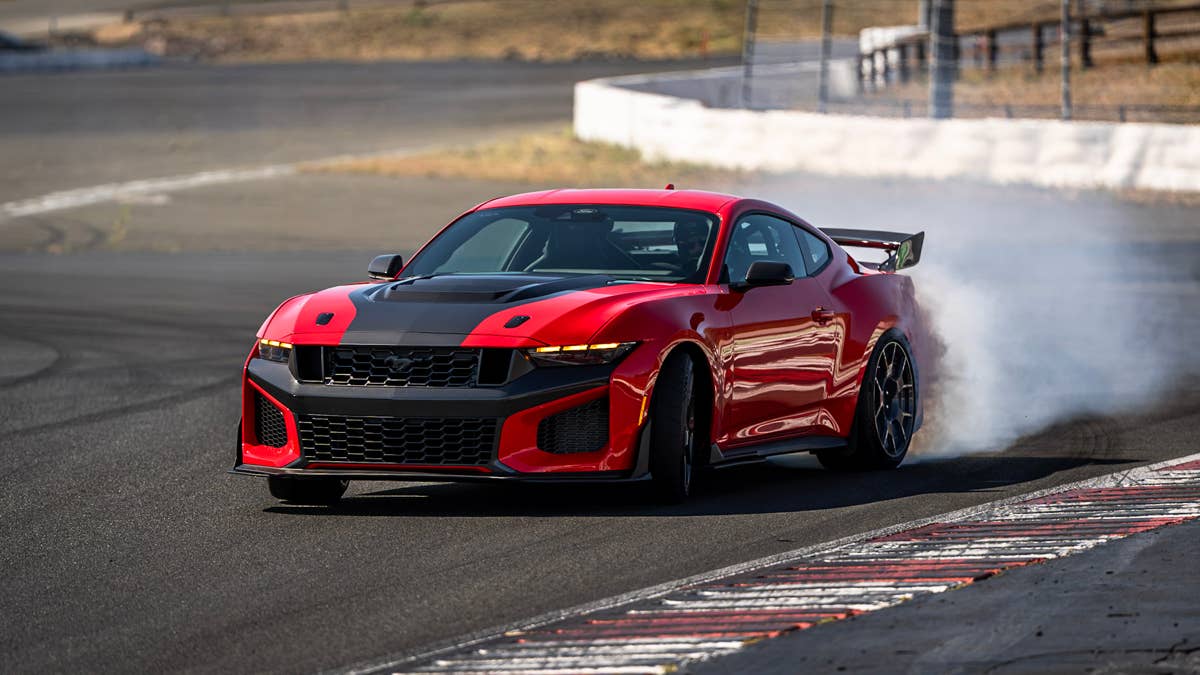
Legal departments function as the primary bottleneck. Ford recently planned to launch a model called “Mustang Dark Horse Boss,” but abandoned it after internal reviews concluded the phrasing sounded ridiculous, ultimately settling on “Dark Horse SC,” according to the company. Naming teams are required to maintain dozens of backup options at all times because a late-stage executive veto forces an immediate restart.


This clearance burden explains why European luxury manufacturers largely abandoned words decades ago. BMW and Mercedes-Benz rely on alphanumeric codes that establish a rigid price hierarchy without requiring linguistic translation across dozens of export markets. A buyer in Munich and a buyer in Shanghai instantly understand what a “5 Series” or “E-Class” represents.
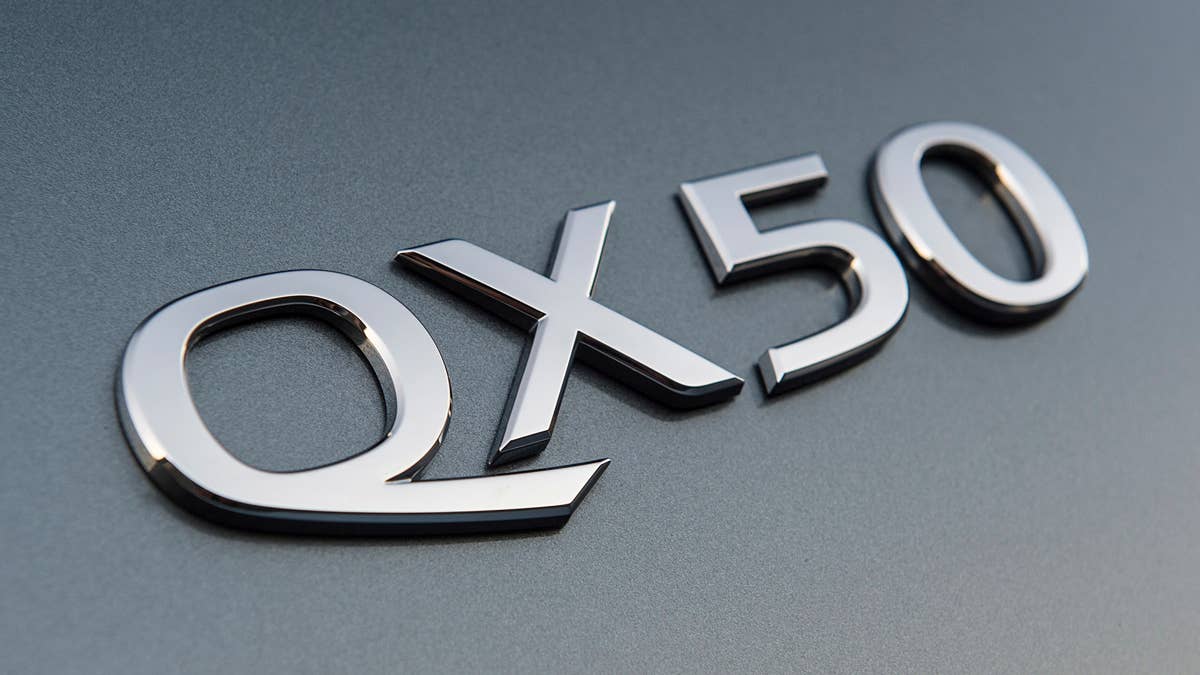
The alphanumeric strategy carries its own financial risks when product lines expand too quickly. Infiniti executives have acknowledged that their current naming structure confuses buyers and actively damages brand recognition, according to industry reports. When consumers cannot decode a badge, dealership conversion rates drop.
Historically, the cost of getting this wrong extends far beyond marketing budgets. In the early 1970s, Chevrolet attempted to sell the Nova in Latin America, only to face persistent urban legends—later debunked by linguists but widely cited in corporate boardrooms—that “no va” translated to “it doesn’t go” in Spanish. More recently, Mitsubishi had to rename the Pajero SUV in Spanish-speaking markets due to local slang. These precedents drive the modern obsession with vetting.
Automakers now routinely file defensive trademark applications for hundreds of unused names simultaneously, locking down intellectual property years before a specific vehicle program receives funding. The U.S. Patent and Trademark Office database reflects thousands of dormant automotive trademarks held by major manufacturers, effectively turning nomenclature into a speculative real estate market where the asset is a single noun.