Decoding Home Theater Audio: A Guide to Surround Sound Channel Configurations
A comprehensive breakdown of speaker configurations, from basic 2.1 setups to advanced Dolby Atmos systems.
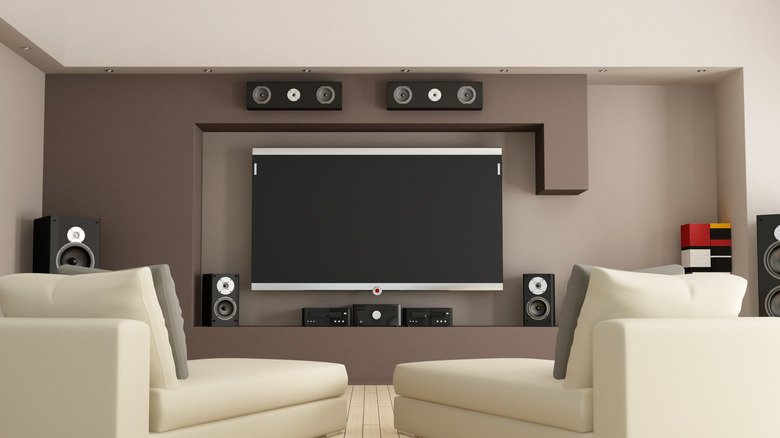
Understanding the numerical shorthand of home theater systems is the first step toward building an immersive audio environment. Whether shopping for a high-end receiver or a streamlined soundbar, consumers are met with configurations like 5.1, 7.2, or 5.1.4. These digits are not arbitrary; they represent a standardized map of how sound is distributed across a room to create a three-dimensional listening experience.
The standard notation follows an X.Y.Z format. The first digit (X) indicates the number of traditional, ear-level speakers, such as the center channel, front left/right, and rear surrounds. The second digit (Y) specifies the number of subwoofers dedicated to Low-Frequency Effects (LFE). While most entry-level systems use a single subwoofer (.1), many enthusiasts opt for dual subwoofers (.2) to eliminate “dead zones” in bass response across larger rooms.
The optional third digit (Z) has become increasingly common with the rise of object-based audio formats like Dolby Atmos and DTS:X. This number represents height channels—either speakers mounted in the ceiling or upward-firing drivers that bounce sound off the ceiling to simulate overhead effects, such as rain or a passing aircraft.
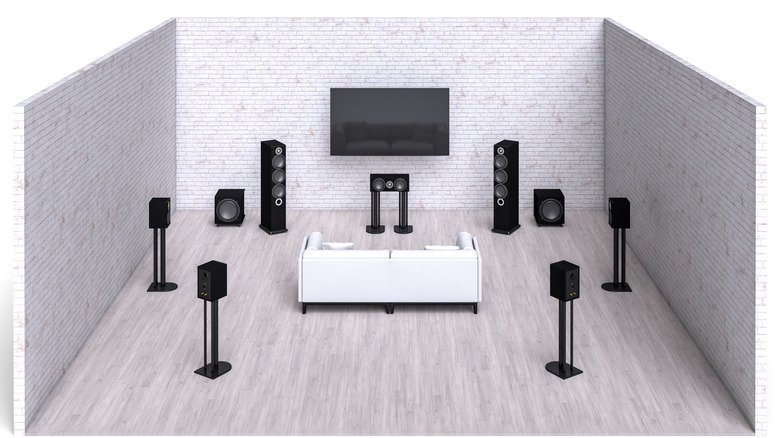
Historically, home audio was limited to stereo (2.0) or basic 2.1 setups. The jump to 5.1 surround sound—consisting of three front speakers, two rear surrounds, and a subwoofer—remains the industry benchmark for a true cinema experience. For those with larger dedicated theater rooms, a 7.1 system adds two side-surround speakers to create a more seamless transition of sound as objects move from the front to the back of the soundstage.
Economic factors and room dimensions often dictate the ideal setup. A basic 5.1 system can typically be acquired for approximately $500, whereas a comprehensive 7.1 configuration often starts at $1,500 and can easily exceed $4,000 for premium components. However, the physical footprint of these systems, which requires extensive wiring and floor space for speaker stands, has led to a surge in the popularity of advanced soundbars.

Modern soundbars, such as the Sonos Arc Ultra, utilize digital signal processing and specialized drivers to mimic high-channel counts without the clutter. The Arc Ultra features a 9.1.4 configuration within a single unit, using 14 drivers to project sound across the horizontal and vertical planes. Other manufacturers, like Samsung, offer hybrid solutions like the Q-Series HW-Q990F, which combines a primary soundbar with a wireless subwoofer and dedicated rear speakers to achieve a high-fidelity Dolby Atmos environment for roughly $1,600.
Content choice also influences hardware needs. Gamers using the PlayStation 5 or Xbox Series X will find that many modern titles, including Cyberpunk 2077, are mixed specifically for spatial audio, making at least a 5.1 system highly beneficial for competitive play and immersion. Conversely, for users primarily streaming music or watching news and sitcoms, a high-quality 2.1 system or a standalone soundbar often provides sufficient clarity and depth without the complexity of rear or height channels.

When integrating these systems, users should also ensure their television supports HDMI eARC (Enhanced Audio Return Channel). This connection is necessary to transmit high-bitrate audio formats like Dolby TrueHD and Atmos from the TV to the sound system. Without eARC, the audio is often compressed, negating the benefits of expensive high-channel hardware.