Samsung Details AI-Powered Smart Glasses Strategy with Qualcomm and Fashion Partnerships
The upcoming wearable features Qualcomm silicon and a partnership with Warby Parker.
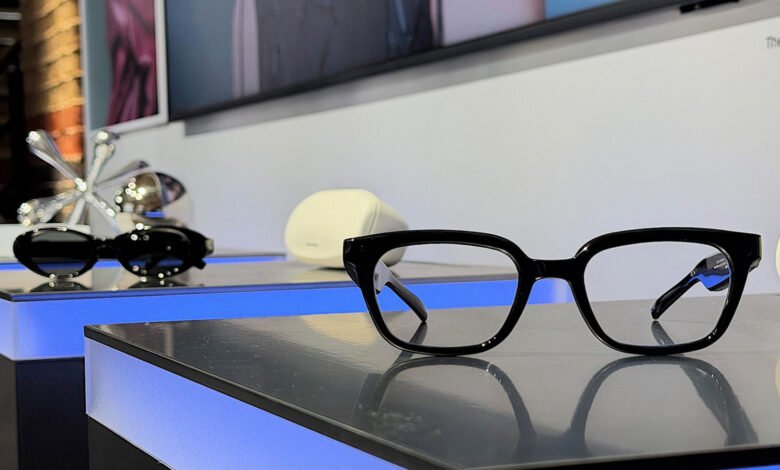
Samsung has shared new technical details regarding its upcoming entry into the smart glasses market, revealing a hardware package centered on power efficiency and artificial intelligence. During its recent Unpacked event, the South Korean tech giant confirmed that its wearable will be powered by the Qualcomm Snapdragon AR1 Gen 1 platform, a chipset specifically engineered for lightweight frames that do not require bulky cooling systems.
The device represents a significant step in the burgeoning “screenless” wearable category. Unlike full augmented reality (AR) headsets that project digital images onto the user’s field of vision, Samsung’s glasses will focus on audio and AI-driven assistance. By utilizing the Hexagon NPU (Neural Processing Unit) integrated into the Qualcomm chip, the glasses will support on-device AI tasks such as real-time language translation and visual search, allowing users to identify objects or text in the world around them through the integrated camera.
Battery life remains a critical metric for wearable adoption. Samsung claims the glasses will offer nine hours of continuous use per charge. To extend utility, the accompanying charging case is designed to hold seven full additional charges, a strategy similar to that used by high-end wireless earbuds. This power profile is intended to keep the device functional through several days of intermittent use without needing a wall outlet.
To ensure the technology appeals to a broader consumer base beyond tech enthusiasts, Samsung is collaborating with established eyewear brands Warby Parker and Gentle Monster. This move mirrors the successful strategy employed by Meta, which partnered with EssilorLuxottica to produce the Ray-Ban Meta smart glasses. By focusing on aesthetics, Samsung aims to overcome the social stigma that hampered earlier wearable efforts like Google Glass, which was often criticized for its industrial and intrusive appearance.
Privacy remains a central point of contention for camera-equipped eyewear. Samsung’s solution involves a prominent LED indicator that illuminates whenever the camera is active. To prevent surreptitious recording, the company has implemented software safeguards that disable the camera system if the LED is covered or obscured. This addresses a long-standing concern in the privacy community regarding the potential for “stealth” filming in public spaces, a problem that has previously led to third-party modifications designed to bypass such safety features on competing devices.
Connectivity for the new frames will be handled via Wi-Fi 7 and Bluetooth 5.3, ensuring high-speed data transfer for streaming audio or offloading captured media to a paired smartphone. While Samsung has not yet disclosed a specific release date or pricing structure, the company indicated that more comprehensive information will be released this fall. The project is part of a broader “XR” (Extended Reality) ecosystem collaboration involving Google, which was first teased during the Google I/O developer conference earlier this year.