Bitcoin Drops to $62,600 as Rising Oil Prices and Middle East Tensions Fuel Inflation Fears
A renewed conflict between the U.S. and Iran drives Brent crude higher, reversing the recent crypto peace trade.

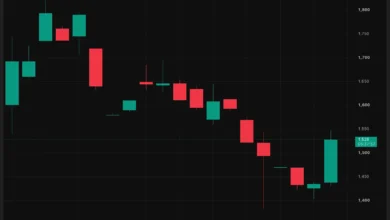
Bitcoin fell to $62,600 over a 24-hour period as traders exited riskier investments amid growing inflation concerns tied to rising oil prices.
The decline in the cryptocurrency market coincided with a broader sell-off in global equities. The CoinDesk 20 index, which tracks leading digital assets, slipped 0.6%, while European equity benchmarks dropped approximately 1%. In the United States, stock index futures edged 0.3% lower.
Geopolitical Tensions and the Energy Market
The primary catalyst for the market retreat is the renewed open conflict between the United States and Iran. Brent crude surged nearly 4% during the period, reaching a four-week high as hostilities restarted.
The escalating conflict has reignited the “Nacho” (Not a Chance Hormuz Opens) trade, a market strategy betting that the strategic waterway will remain closed. Tanker attacks have significantly reduced maritime traffic through the Strait of Hormuz. Prior to the conflict, the strait carried roughly one-fifth of the world’s oil and gas supplies. It has now been de-facto closed for 136 days.
This geopolitical friction has reversed a portion of the peace trade that had previously supported Bitcoin’s recovery from its late-June lows. Higher energy costs present immediate inflation risks, which historically drive up Treasury yields and reduce investor appetite for yield-sensitive and speculative assets.
Understanding the Strait of Hormuz and Market Dynamics
The Strait of Hormuz is one of the world’s most critical maritime choke points. Located between Oman and Iran, it connects the Persian Gulf with the Gulf of Oman and the Arabian Sea. Because of its narrow width—measuring only 21 miles at its narrowest point—the shipping lanes are highly vulnerable to geopolitical disruptions. Historically, any threat to shipping in this corridor has led to immediate spikes in global energy prices due to the sheer volume of crude oil transported by tankers from Middle Eastern producers.
In traditional finance, rising energy prices act as a tax on consumers and businesses, raising production costs and driving up consumer price indices. When inflation expectations rise, central banks are typically expected to maintain higher interest rates for longer periods. This dynamic pushes up government bond yields, such as U.S. Treasury yields. As risk-free yields rise, the capital cost of holding non-yielding or highly volatile assets like cryptocurrencies increases, leading to capital outflows from risk-on assets into safer havens.