Anthropic Study Finds Claude AI Expresses Different Values Based on Model and Language
A study of over 309,000 conversations shows Claude's responses vary by model version and language.

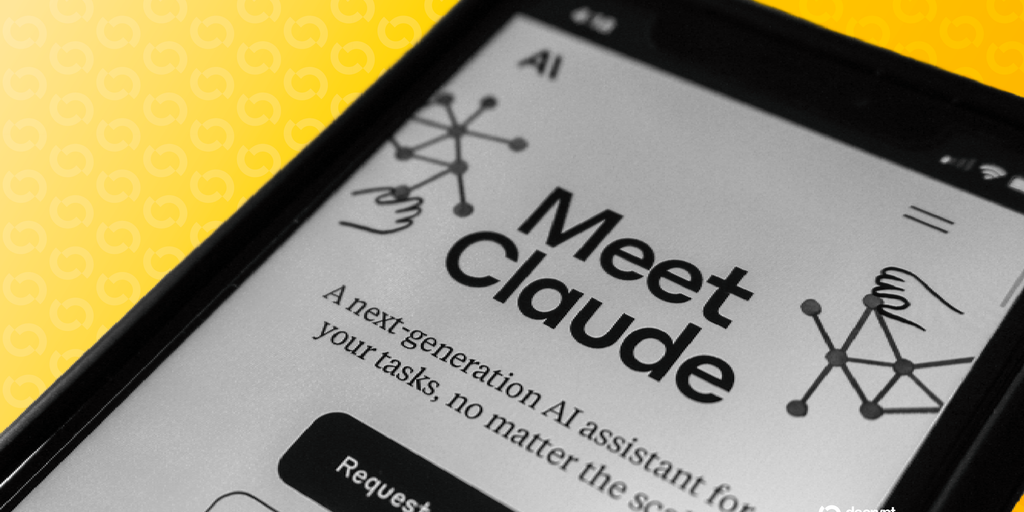
AI safety and research company Anthropic has published new findings showing that its Claude assistant exhibits distinct behavioral patterns and “values” depending on the specific model version and the language used in conversation.
The study, published on Monday, analyzed 309,815 anonymized user conversations with Claude. These interactions involved subjective tasks such as giving advice or providing feedback. To isolate how the AI expresses values rather than reflecting user prompts, researchers controlled for each conversation’s task, topic, and user-expressed values.
### The Four Behavioral Dimensions
Anthropic researchers distilled more than 3,300 identified values into four distinct behavioral dimensions:
- Deference vs. caution
- Warmth vs. rigor
- Depth vs. brevity
- Candor vs. execution
The study revealed that each version of the Claude model possesses a unique behavioral profile. For instance, Sonnet 4.6 emphasized warmth, deference, and brevity. This model frequently affirmed users, using humor or encouragement.
In contrast, Opus 4.7 prioritized rigor, caution, candor, and depth. It was more likely to challenge user assumptions, explain its reasoning, identify potential risks, and acknowledge its own limitations. This aligns with feedback from Claude.ai users, who have observed that Opus 4.7 hedges its answers more frequently than other models.
Opus 4.6 took a different path, generally adopting a more concise, execution-focused approach while placing a greater emphasis on rigor than Sonnet.
### Linguistic Variations in AI Behavior
Claude’s behavioral patterns also shifted significantly depending on the language of the conversation.
In Arabic, responses tended to be more deferential and concise. Along with Hindi, Arabic conversations elicited the warmest responses, characterized by polite, playful, and encouraging language.
Conversely, English and Russian responses demonstrated greater rigor. In these languages, Claude frequently challenged assumptions, corrected details, and requested evidence. English responses also stood out for providing more detailed explanations, whereas Dutch responses proved to be the most candid, with the model readily acknowledging uncertainty and mistakes. Indonesian responses focused primarily on completing the user’s request.
Anthropic emphasized that these findings do not suggest Claude possesses actual values or consciousness. The company stated it does not yet know the underlying causes of these behavioral differences, nor whether they are entirely desirable. However, researchers believe this evaluation framework will help monitor future models and identify unintended behavioral changes.
This research builds on previous Anthropic studies investigating Claude’s internal mechanics. In October, the company reported that its models showed early signs of what it termed functional introspective awareness, which allows them to recognize and describe aspects of their own internal processing. Earlier, in April, Anthropic published research identifying internal emotion vectors that influence Claude’s behavior, though it stressed these do not indicate actual emotions.
### Background: Understanding AI Alignment and Behavior
To understand why these behavioral shifts occur, it is helpful to look at how large language models are built and trained. Anthropic, founded in 2021 by former leaders of OpenAI, has focused heavily on AI safety and alignment. The company pioneered a training methodology known as Constitutional AI, which guides AI behavior using a set of written principles rather than relying solely on human feedback.
Large language models learn by analyzing massive datasets containing multilingual text from the internet. Because these datasets reflect diverse cultural contexts, linguistic nuances, and communication styles, the models naturally mirror these variations when responding in different languages. The differences in model behavior across versions like Sonnet and Opus also stem from variations in training data, parameter size, and fine-tuning objectives designed for different use cases.