Iraq Anti-Corruption Campaign Reaches Decisive Phase Amid Public Pressure
Rising public pressure forces a new stage in the fight against institutional graft.
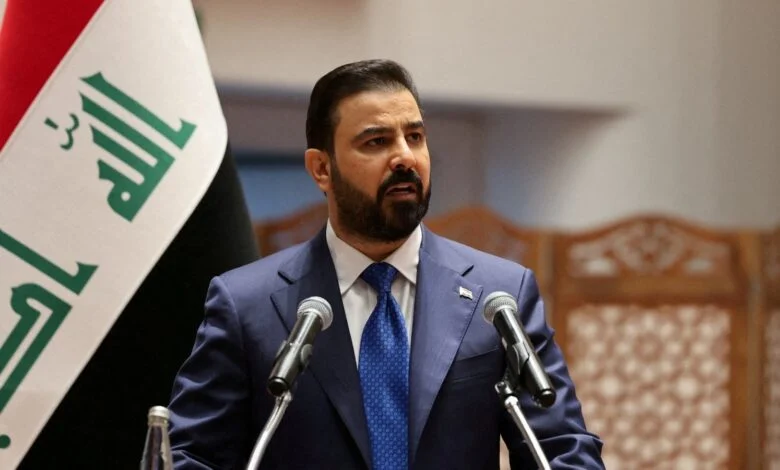
The Iraqi government’s ongoing campaign against institutional graft has entered what officials describe as a decisive phase. This development follows a surge in popular demands for the government to hold those involved in corruption cases accountable for the loss of state funds.
While the administration has signaled a renewed commitment to transparency, the move comes amid widespread questions regarding the executive’s ability to bring about actual change in a system long plagued by financial irregularities.
### Context of the Campaign
The push for accountability is overseen primarily by the Commission of Integrity, Iraq’s highest anti-corruption body. This institution is tasked with investigating financial crimes and referring cases to the judiciary. Historically, Iraq has faced significant challenges in this arena, frequently appearing near the bottom of Transparency International’s Corruption Perceptions Index.
Public pressure has remained a constant factor in Iraqi politics since the large-scale demonstrations in 2019, where protesters cited systemic bribery and the embezzlement of oil revenues as primary grievances. Recent scandals, including the high-profile “Heist of the Century” involving the theft of billions in tax deposits, have further galvanized the public’s call for reform.
The current phase of the campaign is expected to focus on high-ranking officials and the recovery of stolen assets, though observers remain cautious about the potential for political interference in the judicial process.