Volkswagen Weighs Unprecedented German Factory Closures to Offset Chronic Overcapacity
Internal projections suggest 100,000 job cuts and unprecedented plant closures to address overcapacity.
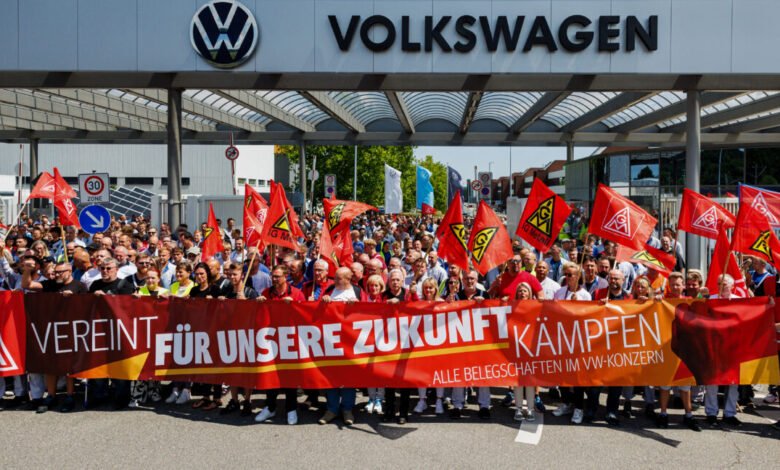
Volkswagen is preparing for a radical contraction of its industrial footprint, with internal projections now suggesting a reduction of 100,000 jobs by 2030. This restructuring, first reported by German media, marks a significant escalation from earlier estimates of 50,000 layoffs and introduces the prospect of closing four German factories—a move without precedent in the company’s history.
The core of the crisis lies in a persistent mismatch between production capability and market appetite. While the Federal Statistical Office of Germany has tracked broader fluctuations in industrial output, VW Group specifically identifies a gap where global demand sits at 9 million vehicles annually against a manufacturing capacity of 10 million. This surplus remains despite the company already stripping 2 million units of capacity from its system since the onset of the COVID-19 pandemic.
To address these inefficiencies, CEO Oliver Blume is pivoting toward a “heavily edited model lineup.” The strategy involves slashing the number of available vehicles across all brands by 50 percent, prioritizing high-margin crossovers that dominate current European and North American consumer trends.
Operational simplicity will also extend to the assembly line. VW Group says it intends to reduce offering complexity—specifically the variety of equipment options available to buyers—by up to 75 percent. This reduction in choice is designed to streamline manufacturing processes that have become increasingly labor-intensive and costly.
While the company’s official public statement avoids explicit mention of shuttering plants, the mathematical reality of building fewer cars with significantly less differentiation points toward a diminished workforce. Reuters’ sources suggest that the current restructuring plan may still face revisions as the executive board navigates the logistical and political hurdles of such a massive scale-back.