The $35 Million “Dad Gang”: How a Lifestyle Brand Is Monetizing the Fight Against Paternal Isolation
A lifestyle brand taps into the male loneliness epidemic through community-driven apparel.
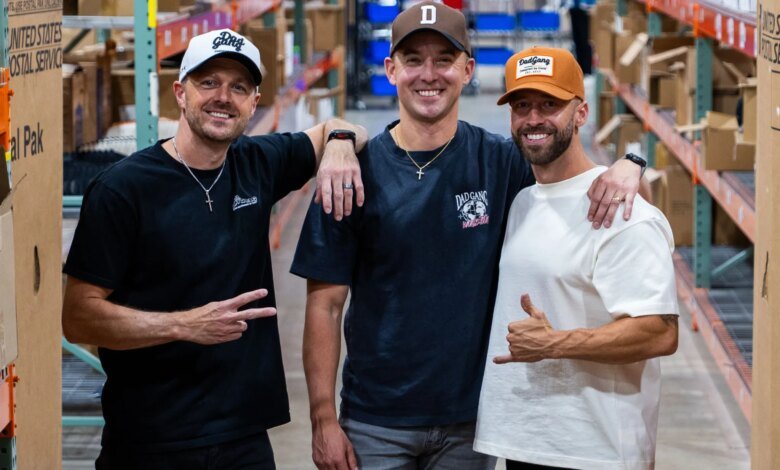
The modern fatherhood experience is often defined by a paradox: increased domestic involvement coupled with a profound sense of social disconnection. While maternal support networks have long been institutionalized through literature and digital communities, men frequently find themselves relegated to “tough it out” tropes. This vacuum in paternal community-building has fueled the rapid ascent of Dad Gang, a lifestyle brand that has parlayed a $750 initial investment into more than 35 million in revenue over four years.
Founders Bart Szaniewski, Grant Eastey, and Ejay O’Donnell—who met through Washington State University and subsequent business dealings—initially launched the venture in 2022 as an extension of their own group chat. Szaniewski, who brought a decade of experience in direct-to-consumer marketing, told Fortune that the project was born from a dissatisfaction with social media algorithms that suggested new fathers should simply “go have a beer and mow the lawn” rather than seek emotional support.
This sentiment aligns with a broader public health crisis. In 2023, the U.S. Surgeon General issued an advisory highlighting a loneliness epidemic that disproportionately affects men, who often report fewer close friendships than previous generations. Dad Gang’s growth suggests that the commercialization of fatherhood is less about apparel and more about providing a visible signal of shared experience.
The company’s trajectory has moved from Szaniewski’s garage to a distribution facility in Tennessee, recently culminating in a retail deal with Lids and the appointment of Gary Vaynerchuk as a strategic advisor. Despite the scale—more than 1 million hats sold to date—the founders maintain a low-fidelity marketing approach. Eastey said the brand relies on iPhone-shot content and stories of late-night feedings and mental health struggles rather than high-production advertising.
The brand’s VIP Group on Facebook now hosts nearly 15,000 participants, serving as a digital town square for fathers. The founders told Fortune that the business’s significance is validated by personal anecdotes, such as a father who credited the brand’s community for support during an eviction, and another family who requested a replacement hat to bury a relative who was killed in an accident.
On the side of each hat is the motto, If you know, you know. Eastey described it as an “unspoken support” for the complexities of modern parenting. While the financial milestones are significant, Szaniewski noted that the primary objective remains impacting families. “If that part doesn’t happen,” he said, “then this isn’t really important to us.”