Why Using Your Phone While Charging Won’t Ruin Its Battery — The Science of Power Management
Modern PMICs and bypass charging technology prevent thermal damage during active plugged-in use.
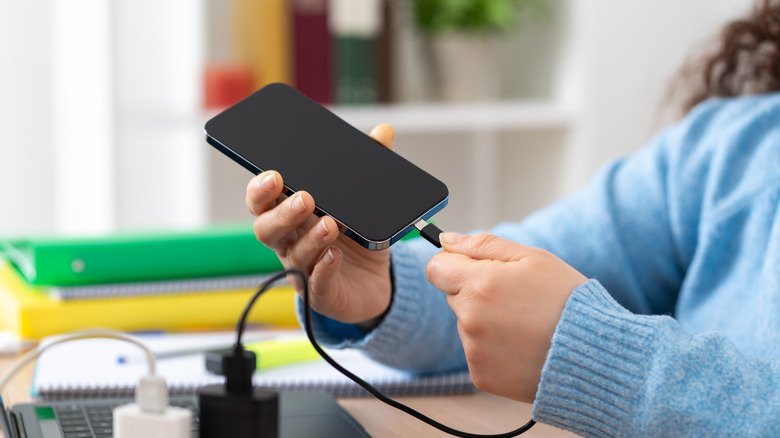
Inside modern mobile hardware, the relationship between charging and active device use is regulated by sophisticated hardware-level power distribution. Persistent concerns that using a smartphone while connected to a power outlet will destroy its power cell stem from legacy battery chemistries, but contemporary hardware architectures handle this dual load through integrated power routing and thermal management systems.
When a smartphone operates while plugged in, the primary challenge is not electrical conflict, but heat dissipation. Modern devices utilize a dedicated Power Management Integrated Circuit (PMIC) to direct electrical current. In ideal scenarios, incoming power is split between running the device’s System-on-Chip (SoC), display, and radio modems, and replenishing the chemical cell. When thermal thresholds are reached due to heavy workloads like high-frame-rate gaming or video rendering, the PMIC automatically prioritizes device operations over rapid charging, intentionally slowing down battery current to prevent temperature spikes.
This management philosophy reached a structural milestone with the introduction of bypass charging. First widely commercialized in 2020 on the Sony Xperia 1 II under the feature name Heat Suppression Power Control, the technology reroutes external power directly to the phone’s internal components, completely isolating the battery. By delivering external voltage directly to the logic board through protocols governed by organizations like the USB Implementers Forum, the battery remains electrically idle during heavy usage.

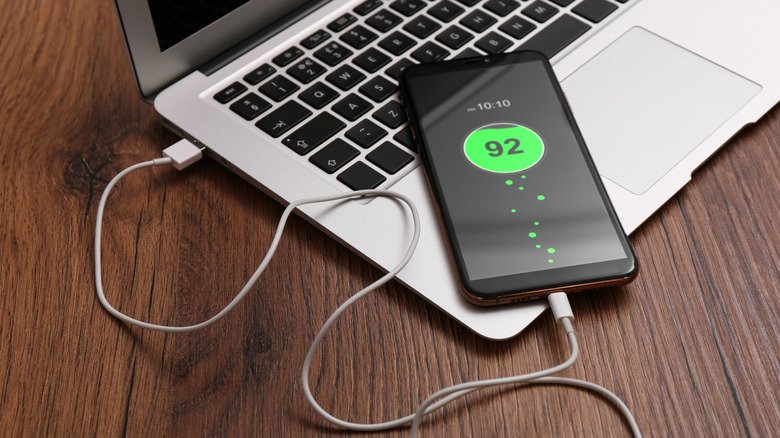
Today, bypass charging is supported across hardware lines from Android manufacturers including Samsung, Google, Xiaomi, and ZTE. Under active bypass mode, users may notice that their device percentage remains static despite being plugged in during intensive application use. This behavior is intentional: current powers the display and processor directly, sparing the cell from the simultaneous charge-discharge thermal cycle that accelerates degradation.
While Apple devices do not currently include a direct hardware bypass toggle for general usage, iOS utilizes alternative dynamic power throttling algorithms. When internal temperatures rise on an Apple device while charging, system software dials back charge current to safeguard the battery’s chemical integrity.
The true driver of lithium-ion battery degradation is heat combined with high state-of-charge exposure, rather than active operation during charging. Excessive ambient or operational heat breaks down a cell’s internal solid electrolyte interphase (SEI) layer, permanently reducing charge capacity over time.
This physical reality disproves several legacy mobile charging guidelines:
- Full Discharges Are Unnecessary: Older Nickel-Cadmium batteries suffered from memory effect, requiring full cycles to maintain capacity. Modern lithium-ion cells perform best when maintained between 20% and 80% charge state, avoiding mechanical stress at chemical extremes.
- Overnight Charging Is Safe: Integrated safety circuits physically disconnect power once a full charge state is reached. Systems featuring optimized battery charging hold total capacity at 80% overnight, completing the remaining charge shortly before user wake times.
- In-Use Charging Speed Reduction: Using a plugged-in phone does not damage internal components; it merely redirects current, slowing down the overall charging velocity to control thermal output.
Understanding these underlying hardware mechanisms clarifies that while active usage during charging will reduce charging speeds, built-in thermal safeguards and modern power management keep the lithium-ion battery protected under normal operation.