The Great Crypto Kiosk Retreat: US States Lead Aggressive Crackdown on ATMs
New laws in Tennessee and Georgia mark a turning point for the physical crypto kiosk industry.
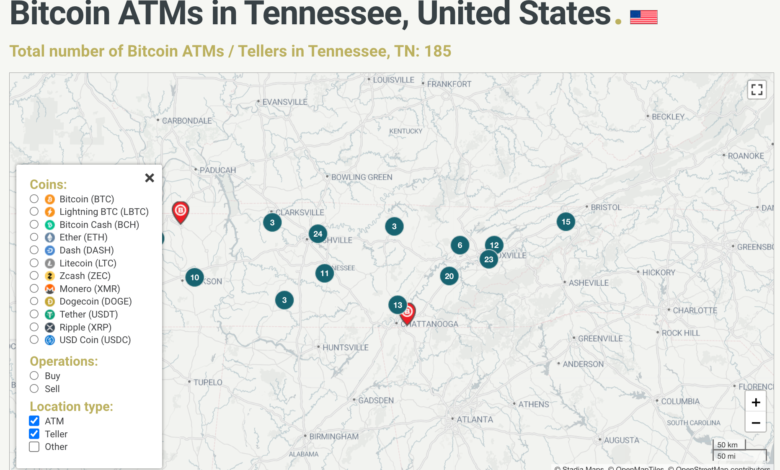
Tennessee and Georgia enacted significant restrictions on Wednesday, signaling a sharp pivot in how US states manage the physical footprint of digital assets. While Tennessee has opted for an outright prohibition on the installation and operation of cryptocurrency kiosks, Georgia is introducing a framework of transaction caps and mandatory consumer warnings designed to curb financial exploitation.
The legislative shift comes as state governments move to address a surge in specialized fraud. The Federal Trade Commission has previously highlighted how scammers frequently direct victims—often elderly residents—to physical kiosks to convert cash into untraceable digital currency.
In Tennessee, the ban signed by Governor Bill Lee in April effectively clears the state of 185 machines that were operational just days ago. The move aligns Tennessee with Indiana, which implemented a similar ban in March, and Minnesota, where enforcement is scheduled to begin on Aug. 1.
Georgia’s approach, while stopping short of a total ban, imposes significant operational friction. Kiosk operators must now limit transaction volumes for both new and existing users and, in specific instances, may be held liable for refunding victims of fraudulent activity.
This tightening regulatory environment is already reshaping the industry’s corporate landscape. Bitcoin Depot, a major player in the sector, filed for Chapter 11 bankruptcy in May. The company cited “substantial doubts” regarding its viability, pointing to the rising costs of compliance and the legal challenges inherent in a more restrictive oversight regime.
The trend extends beyond US borders. Federal policymakers in Canada are currently weighing a nationwide ban on the machines. Canadian officials have characterized the kiosks as a primary conduit for money laundering and the placement of criminal proceeds, suggesting that while digital assets remain accessible through regulated money services businesses, the era of the standalone, high-traffic crypto ATM may be drawing to a close.