The Return of Movie Monoculture: How Scarcity and Gen Z are Driving a $10 Billion Box Office Surge
As streaming fragments into ad-supported models, premium theatrical releases like 'The Odyssey' are reclaiming cultural dominance.
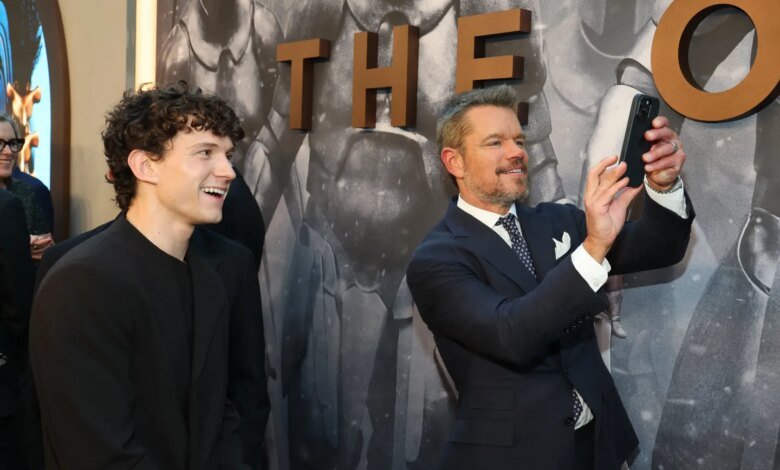
The North American box office is pacing toward a historic milestone, with the domestic summer box office crossing the $3 billion mark in late July 2026. This surge has put the industry on a plausible path to its first $10 billion year since before the COVID-19 pandemic, a massive recovery from the near-total shutdown of 2020 when domestic revenues plummeted to $2.2 billion. This resurgence is being driven by an unexpected cultural shift: the return of “appointment viewing” at the physical multiplex, fueled by cinematic scale, an embrace of analog formats by younger audiences, and structural changes in the streaming landscape.
At the center of this theatrical revival is Christopher Nolan’s The Odyssey. As the first narrative feature filmed entirely on IMAX cameras, the nearly three-hour, R-rated epic has defied traditional box office decay. In its second weekend, the film brought in $90 million domestically—representing an exceptionally slim 27% drop from its opening weekend. For context, major Hollywood blockbusters routinely see second-week declines of 50% or more. With global ticket sales hovering near $700 million and tracking toward $800 million, analysts expect the film to maintain a prolonged theatrical run until it clears the $1 billion threshold.
The momentum is poised to accelerate with the July 31 release of Spider-Man: Brand New Day, which is tracking for a domestic opening weekend of $200 million to $250 million. The back-to-back blockbusters share an unusual level of crossover appeal, with stars Zendaya, Tom Holland, and Jon Bernthal appearing in both films. This rare double-billing has sparked a synergistic cultural phenomenon reminiscent of the “Barbenheimer” trend. Zendaya’s box office dominance could extend into the winter, with potential overlapping appearances in both Dune: Part Three and the next Avengers installment this December.
Crucially, the audience driving this theatrical renaissance is younger than expected. Generation Z now makes up nearly 40% of the North American moviegoing public. According to a consumer study by Fandango, 87% of Gen Z respondents reported seeing at least one film in a theater over the past year, averaging seven annual visits. Analysts attribute this behavior to an “analog appeal” among digital natives, who are increasingly seeking out tangible, physical media. This demographic has heavily embraced 70mm film screenings of The Odyssey, where theaters have handed out physical strips of IMAX film that are already commanding high prices on secondary resale markets.
This interest in physical, human-made art aligns with Nolan’s strict adherence to shooting on film and his rejection of generative artificial intelligence. Yet, the summer’s success is not limited to traditional auteur cinema. Lower-budget, creator-driven horror and thriller titles like Backrooms, Obsession, and Iron Lung—many helmed by directors who built their initial followings on YouTube—have successfully converted online fanbases into multiplex audiences. Meanwhile, mid-budget studio offerings like The Devil Wears Prada 2 have outperformed major franchise installments such as Marvel’s Thunderbolts, even as other franchise titles like Supergirl and Moana faced more challenging rollouts.
Environmental factors have also played a surprising role in boosting attendance. Amid severe summer heatwaves across North America and Europe, theaters have recaptured their historical role as air-conditioned sanctuaries. In Europe, ticket sales jumped by 50% during one prolonged period of extreme heat, echoing the early 20th-century era when movie houses aggressively marketed “refrigerated air” to attract patrons seeking relief.
This theatrical boom occurs against a backdrop of deep structural changes in the streaming market, where the era of expensive, ad-free prestige television is rapidly fragmenting. In the first quarter of 2026, 60% of new sign-ups for premium streaming services chose ad-supported tiers, according to subscription analytics firm Antenna. Concurrently, free ad-supported television (FAST) platforms like Tubi and The Roku Channel are capturing larger shares of total viewing time, while major services explore free ad-supported tiers and aggressive bundling, such as the wholesale integration of Peacock into YouTube Premium.
As streaming platforms pivot toward advertising and lower-cost content to mitigate subscriber churn, the premium, high-impact segment of the entertainment industry is shifting back to theaters. The proliferation of cheap, algorithmically served digital content has heightened consumer price sensitivity for home viewing, thereby increasing the value of exclusive, high-concept theatrical releases that cannot be easily replicated on a living room screen.