Brent Crude Approaches $90 as Monthly Surge and Policy Reversals Reshape Energy Outlook
Oil prices hit $89.53 per barrel following a 21% monthly surge, impacting retail gas and inflation.
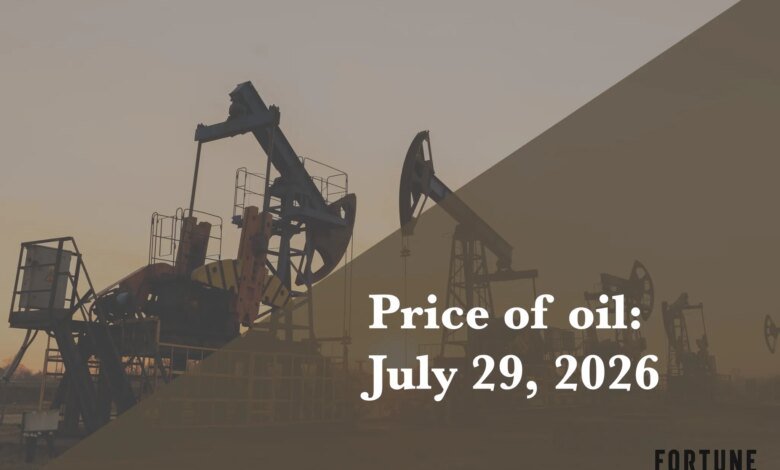
Global oil benchmark Brent Crude oil extended its upward momentum to reach $89.53 per barrel during early trading at 5:05 a.m. Eastern Time. The 45-cent gain builds on a broader rally that has seen crude oil surge 21.15% over the past month from $73.90, standing $16.84 higher than the $72.69 level recorded one year ago.
The rapid escalation directly influences consumer energy costs. Crude oil accounts for more than half the price of retail gasoline, where price transmission follows a pattern known in fuel logistics as “rockets and feathers.” While pump prices spike almost immediately when crude surges, retail reductions occur far more slowly as station margins and distribution costs readjust.
Rising energy prices spill over into freight logistics, agriculture, and manufacturing, driving broader pressure on inflation across consumer markets. To cushion severe supply disruptions caused by conflict, trade sanctions, or severe weather, the U.S. maintains the Strategic Petroleum Reserve to keep essential services, public transportation, and industrial infrastructure operating during emergencies.
Federal energy policy continues to influence long-term futures markets and domestic extraction outlooks. Recent policy shifts under the Trump administration reopened more than 1.5 million acres in the Coastal Plain of the Arctic National Wildlife Refuge for oil and gas leasing, overturning restrictions enforced during the Biden presidency. At the same time, expanding U.S. shale oil production provides an operational supply cushion that helps suppress extreme price spikes.
Spikes in crude oil also trigger energy substitution across industrial sectors. When oil grows expensive, commercial operations capable of dual-fuel processing switch toward natural gas, driving up natural gas demand by proxy.
In global commodities trading, Brent crude oil serves as the primary international benchmark, widely utilized by institutional bodies like the U.S. Energy Information Administration in its long-term projections. It operates alongside West Texas Intermediate, the standard for North American crude. Market prices remain continuously volatile in futures markets, where traders evaluate shift signals from OPEC+ decisions, macroeconomic indicators, and historical disruptions ranging from the 1973 Yom Kippur War embargo to the 2020 collapse below $20 per barrel during pandemic lockdowns.