Amazon Hikes Device Prices as AI Boom Triggers Global Memory Shortage
Echo, Kindle, and Fire TV lines see steep markup amid soaring chip costs across tech sector
Amazon has instituted broad price hikes across its hardware lineup, escalating retail costs for Echo smart speakers, Kindle e-readers, Fire TV streaming devices, and eero routers as soaring artificial intelligence infrastructure spending triggers an industry-wide memory chip shortage.
The consumer electronics sector is “facing significant increases in memory and storage component costs,” an Amazon spokeswoman said, and the retailer adjusted product pricing after absorbing elevated expenses for as long as possible. Ring security devices were spared the increases, though Amazon stated it intends to maintain promotions throughout the year.
The revised pricing lifts the entry-level Echo Dot from $49.99 to $79.99, while the Echo Show 11 climbed from $219.99 to $249.99, according to a Fortune review. Base 16-gigabyte Kindle models jumped from $109.99 to $149.99, alongside a $40 rise for the 16-gigabyte Kindle Paperwhite to $199.99.
In home entertainment and connectivity, the Fire TV Stick HD rose from $34.99 to $39.99, the Fire TV Stick 4K Max climbed from $59.99 to $84.99, and the eero 7 networking system increased by $50 to $399.99, with the eero Pro 7 reaching $799.99.
The repricing precedes an upcoming fall hardware event, marking a departure from Amazon’s historical strategy of heavily discounting consumer devices to drive platform adoption. Apple enacted similar increases on Macs and iPads in June, leading Chief Executive Tim Cook to label the supply constraints a “100-year flood on memory pricing.”
Microsoft subsequently raised Xbox console prices by $100 to $150 and discontinued its top-tier 2 terabyte models. PC makers including Dell, HP, Lenovo, and Asus curtailed memory configurations or elevated system prices to balance balance sheets against component inflation.
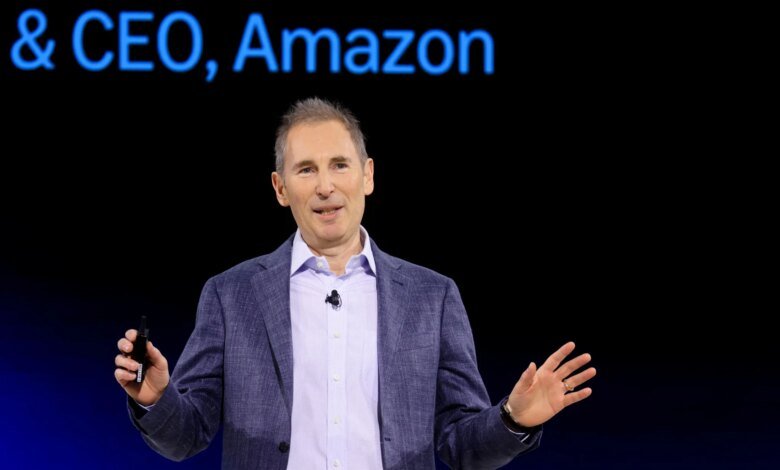
Chief Executive Andy Jassy informed investors in late July that the company increased its annual capital expenditures projection from $200 billion to $220 billion, directing the capital toward construction and hardware fit-outs for AI data centers.
Jassy noted that Amazon will lack sufficient capacity to satisfy compute demand through 2026 and expects the constraint to persist into 2027, even as cloud unit Amazon Web Services generated $42.2 billion in second-quarter revenue, expanding 37% over the prior year.