Filipino Cartoonist Sues AI Meme Generator Over Commercial Asset Licensing
Elmer Saflor's lawsuit sidesteps training data debates to target direct copyright reproduction by commercial AI platforms.
Filipino cartoonist Elmer Saflor, widely known online as “Superelmer,” has filed a copyright infringement lawsuit against Memes Apps, the company behind the artificial intelligence marketing generator Memes.ai. The federal complaint, submitted on July 1 in the U.S. District Court for the Central District of California, alleges that the platform unlawfully monetized Saflor’s viral artwork by selling it as a customizable ad template to corporate subscribers.
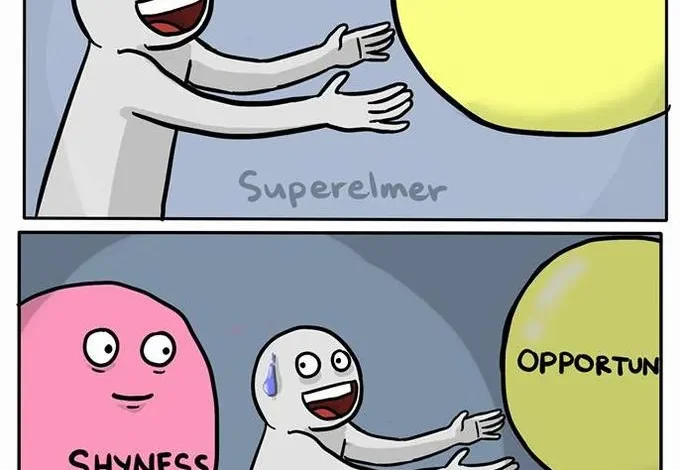
The dispute centers on Saflor’s 2017 illustration “Running Away Balloon,” a widely circulated two-panel webcomic. In the original drawing, a grey stick figure reaches for a floating balloon labeled “opportunities” while being physically restrained by a pink entity marked “shyness.” Saflor formally registered the artwork with the U.S. Copyright Office in 2024.
Memes.ai promotes itself directly to corporate clients, agencies, and digital marketers, offering monthly subscription tiers ranging from $40 to $199. These plans grant users quotas of up to 1,000 generated meme advertisements per month. According to court filings, Memes.ai explicitly tells customers that all images generated on the platform “are yours to use for your business,” including within paid promotional campaigns.
Saflor’s legal action strikes a markedly different course from prominent high-profile generative AI lawsuits, such as those brought by visual artists against Stability AI and Midjourney. While those multi-district class actions pivot on whether scraping copyrighted imagery to train machine learning models constitutes fair use, Saflor’s complaint bypasses algorithmic training arguments entirely. Instead, it asserts straightforward claims of direct, contributory, and vicarious copyright infringement, asserting that his exact artwork was retained within the site’s searchable commercial template library under its original title.
The complaint highlights Memes.ai’s own marketing copy—which encourages clients to “fire your ad agency”—to argue that the alleged violation was willful. Traditional advertising agencies regularly negotiate and purchase commercial rights for third-party media assets. Saflor’s legal team further points out that while Memes.ai distributed uncredited independent art, the platform simultaneously claimed legal copyright over its own website and software interface.
Under the U.S. Copyright Act, willful infringement carries statutory penalties of up to $150,000 per infringed work, alongside actual damages and disgorgement of the defendant’s profits. Saflor’s lawsuit seeks a permanent injunction blocking the platform from offering the artwork, full accounting and disgorgement of earnings derived from the template, and maximum statutory damages. In statements provided to tech news outlet Ars Technica, Saflor stated that beyond monetary relief, the action aims to utilize pre-trial discovery to expose how AI platforms systematically incorporate independent visual art.
Commercial exploitation of internet memes has increasingly faced judicial scrutiny. Legal scholar Eric Goldman told Ars Technica that a precedent established against Memes Apps could carry broad ramifications for the entire meme generation industry. Goldman referenced a 2024 federal court ruling involving the viral “Success Kid” meme, where an unapproved political fundraising campaign was found liable for copyright infringement. That decision established that viral social media memes do not enjoy blanket fair use protection when redeployed for commercial or promotional purposes. By pursuing the platform service provider rather than individual corporate advertisers, Saflor’s suit tests platform-level liability in generative AI commercial workflows.