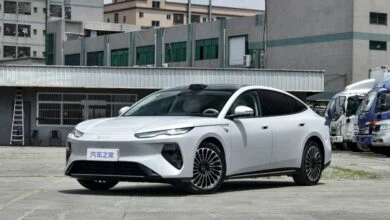
2027 Mercedes-Maybach S680 Cabin Debuts MB.OS Tech and Redesigned Ergonomics
The updated ultra-luxury saloon introduces MB.OS software, standardized Superscreen displays, and automated cabin comfort features.
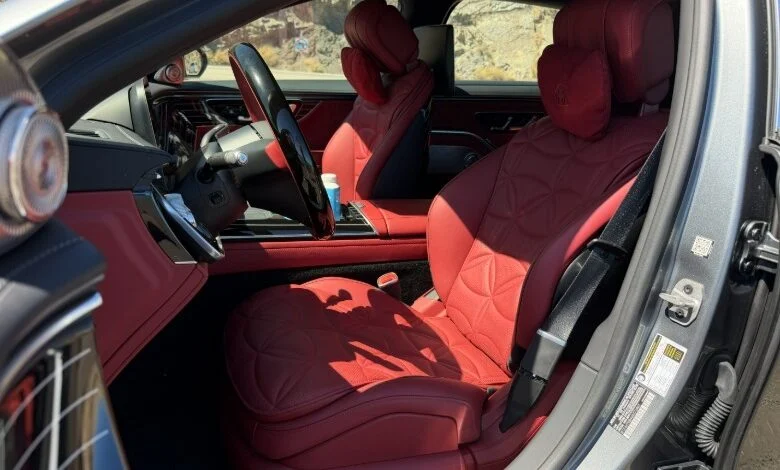
The cabin update for the 2027 Mercedes-Maybach S680 highlights a broader technological transition for the German automaker as it integrates its new MB.OS operating system and updated display architecture into its flagship luxury saloon range. While the ultra-luxury segment increasingly balances digital screen real estate with traditional craftsmanship, the latest S-Class refresh presents a substantial overhaul of onboard software, central console ergonomics, and automated comfort features.
Positioned as the pinnacle of the Mercedes-Benz flagship luxury saloon lineup, the updated interior reflects current automotive industry trends toward software-driven vehicle architecture. The most prominent hardware modification across the 2027 S-Class lineup is the standardization of the Superscreen glass housing, which consolidates multiple digital displays across the dashboard beneath a single glass panel.
At the heart of the dashboard layout is a 14.4-inch central infotainment display paired with a standing digital instrument cluster. This setup replaces the pre-facelift center console layout and offers a wider interface than the Hyperscreen found in the electric EQS. However, the visual presentation relies on two distinct rectangular screens set behind the unified glass panel, separated by thick black bezels. Unlike the seamless screen integration seen in lower-tier models such as the C-Class and GLC, or the updated Maybach GLS, the S680’s display bezels remain distinctly visible. Physical controls have also been almost entirely replaced in favor of touch-sensitive inputs across the glass interface.
The primary software advancement comes through the introduction of MB.OS, which replaces the outgoing MBUX system. Designed for higher processing speeds and improved interface fluidness, MB.OS introduces a revised home screen layout. Users can select between full-screen navigation mapping or configurable animated background themes. A fixed bottom taskbar provides persistent access to primary climate settings, shortcut menus for driving functions, application views, and dedicated home and back buttons, streamlining menu navigation compared to prior software generations.
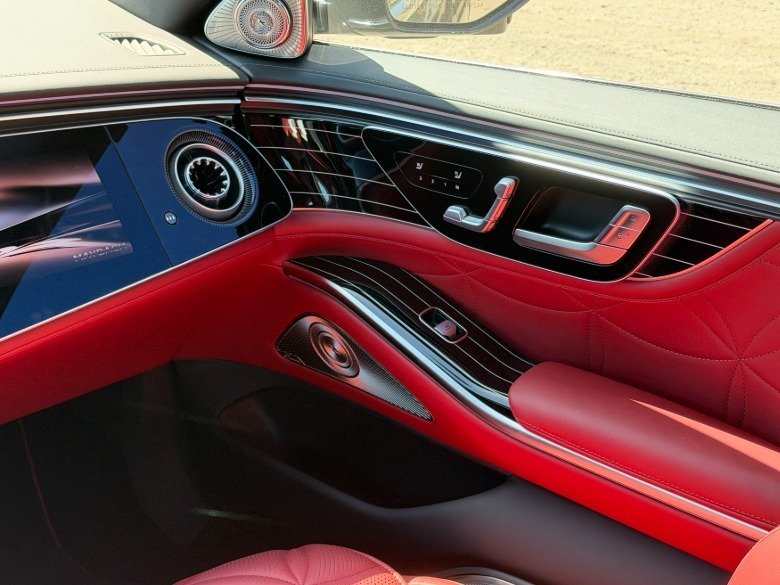
Beside the main central interface, the front passenger area features an independent touchscreen embedded directly into the dashboard. While providing dedicated entertainment and navigation access for the passenger, certain deep vehicle settings—including multi-contour seat bolster and lumbar adjustments—remain restricted to the main central 14.4-inch screen, requiring adjustments to be routed through the primary display interface.
Seating comfort remains central to the Maybach designation. The front multi-contour seats incorporate headrest pillow inserts, active heating, ventilation, and a range of massage programs, including seat-base vibration functions. Beyond tech integration, the 2027 model year expands the Manufaktur personalization program, offering expanded leather color combinations and hand-stitched leather coverage across almost all interior cabin surfaces. Design additions include a kaleidoscope quilting pattern derived from the Maybach double-M emblem.
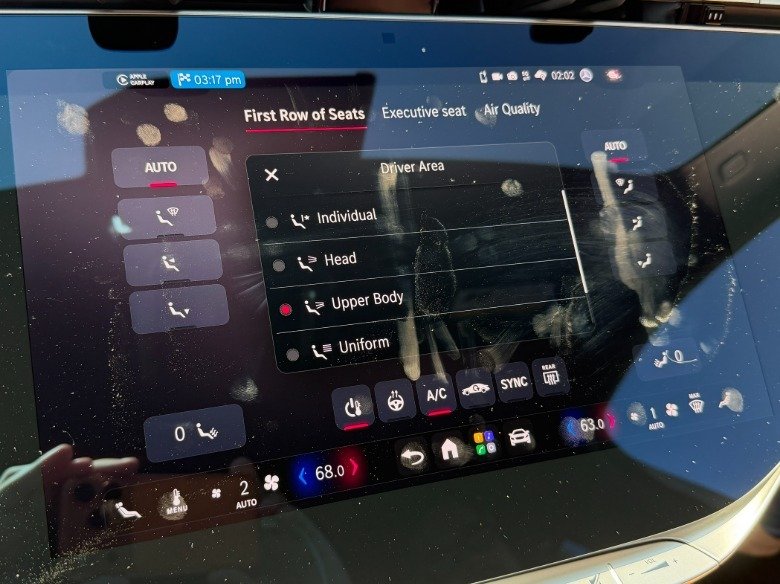
The center console structure has been redesigned to integrate dual wireless smartphone charging pads alongside revised storage geometry. Among the specific cabin technological upgrades is an automated air vent positioning system. Integrated into the climate menu, the system allows occupants to select digital airflow presets, such as an “upper body” focus, prompting internal electric actuators to mechanically orient the air vents.
Hardware changes extend to the physical design of the dashboard air registers. The outer climate vents adopt a round housing design containing a two-part mechanical structure: an inner ring rotates horizontally and twists to adjust or stop airflow, while the outer housing pivots vertically to direct air distribution across the front cabin space.