Transatlantic Rift Deepens at UN Over Volker Türk’s Human Rights Reappointment
Washington and Paris trade sharp criticisms following a contentious vote extending the UN rights chief's tenure through 2030.
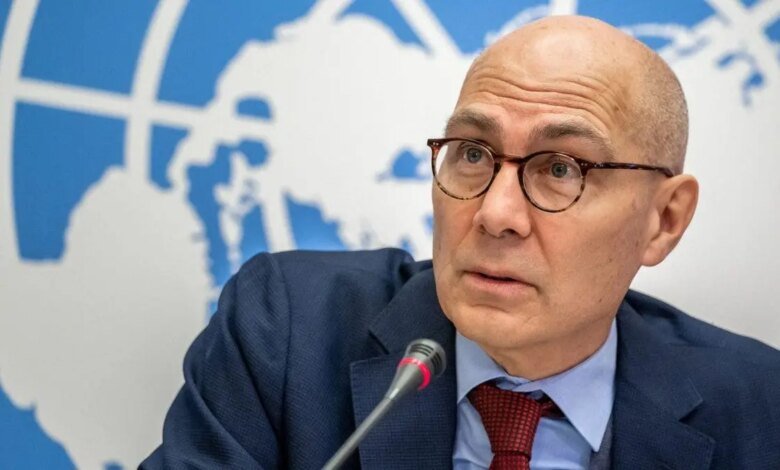
A sharp rift erupted between Washington and Paris following a United Nations General Assembly vote to extend the term of High Commissioner for Human Rights Volker Türk, highlighting long-standing debates over structural bias and Western alignment inside the international body.
The General Assembly voted 144 to 10, with 13 abstentions, to confirm Türk for a second term running from October 12, 2026, to October 11, 2030. The decision sets Türk on course to become the first rights chief to complete two full four-year mandates since the post was established in 1993 following the Vienna Declaration and Programme of Action.
Procedural tensions escalated prior to the final ballot when member states rejected a U.S. motion to delay consideration for one week to allow further diplomatic consultations. Assembly members also voted down an alternative proposal from Moscow that sought to cap Türk’s mandate through late 2026, a move that would have reserved the appointment for the next UN Secretary-General.
U.S. representative for UN management and reform Jeff Bartos mounted a scathing critique of the rights chief’s tenure during assembly debates, asserting that the systemic credibility of global rights oversight had reached a breaking point under Türk’s leadership.
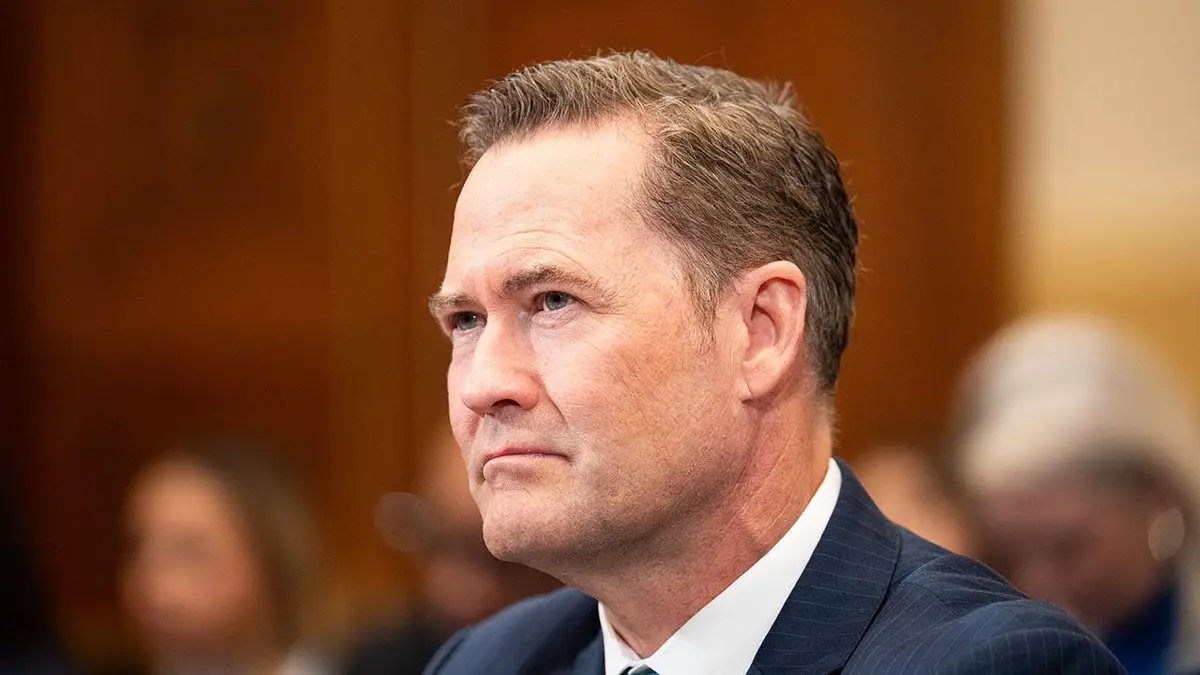
Bartos contended that Türk disproportionately focused criticism on sovereign democracies—specifically citing the United States, Britain, France, Australia, Italy, and Israel—while taking a far softer stance on autocratic states. Among American grievances, Bartos highlighted a 12-day silence from Türk’s office during state-sponsored violence in Iran, contrasted with swift denunciations of U.S. military maneuvers involving Tehran, alongside ongoing calls to lift sanctions on Cuba and support for controversial corporate databases involving Israel.
In contrast, French Ambassador Jérôme Bonnafont praised Türk’s performance, stating that the High Commissioner maintained rigor and political independence during an era marked by mounting strain on international human rights standards.
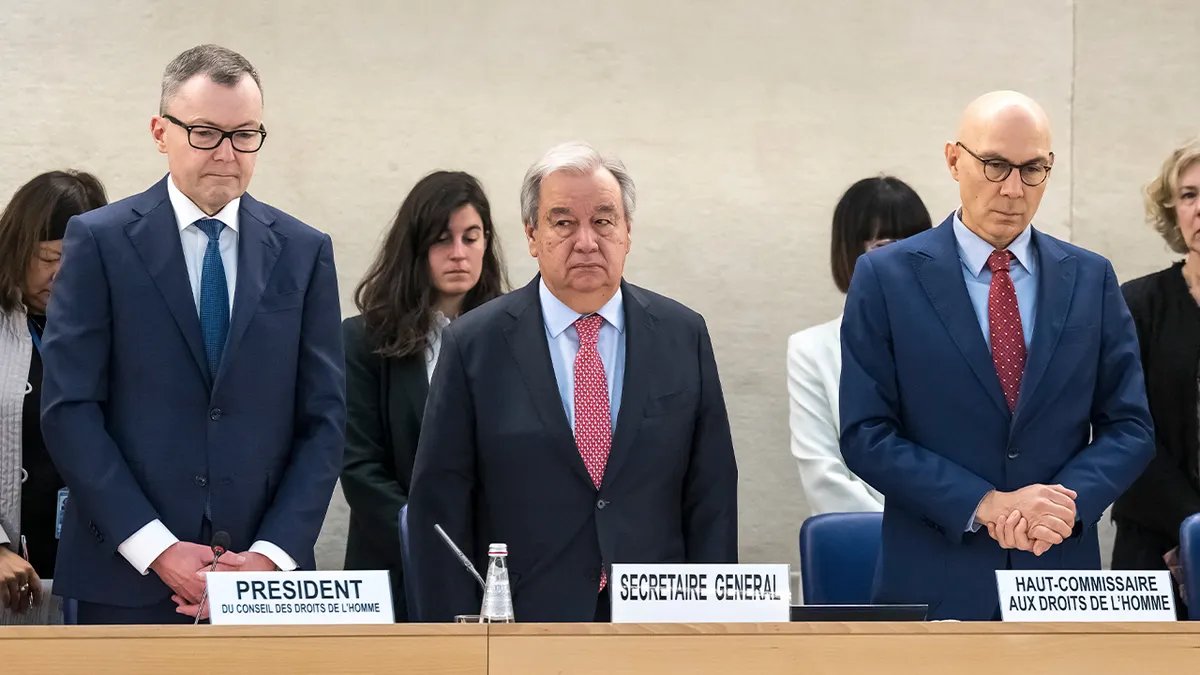
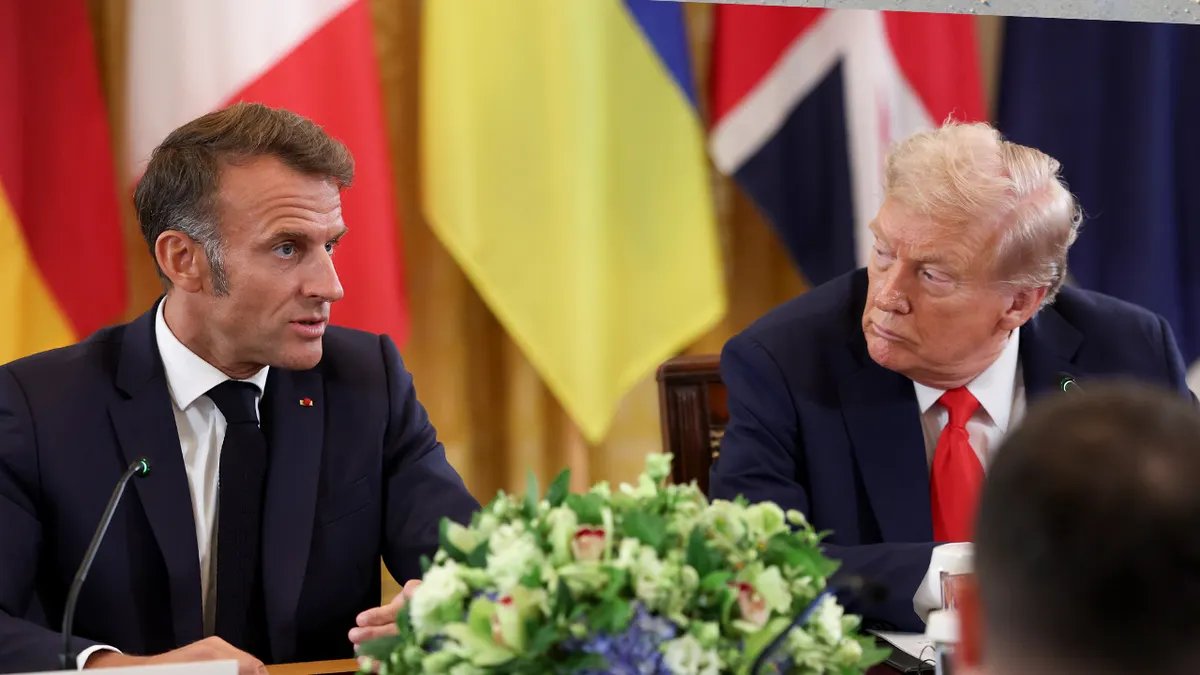
The diplomatic friction turned personal on social media when France’s diplomatic mission in Geneva published a post declaring that the U.S. had abandoned its leadership role in international rights advocacy, placing Washington alongside nations like North Korea, Russia, Mali, and Nicaragua under the hashtag #AmericaAlone.
U.S. Ambassador Mike Waltz rejected the French statement, describing it as an attempt to divert attention from backing an official who routinely scrutinizes democratic allies while failing to confront authoritarian regimes.
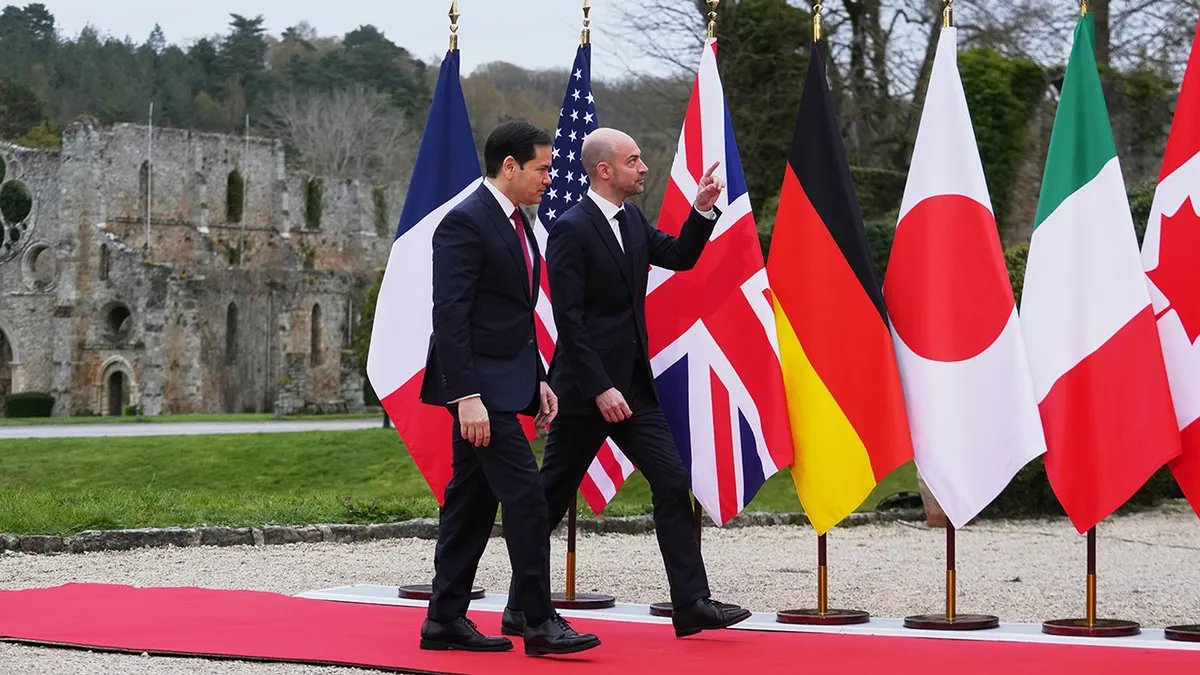
An American official, speaking on condition of anonymity, expressed surprise at the timing and tone of Paris’s public pushback, noting that Türk’s initial term was not scheduled to expire for months and that opposing an official’s reappointment did not equate to abandoning human rights principles.
Independent monitoring groups have long tracked discretionary reporting patterns within the United Nations General Assembly human rights architecture. An analysis conducted by the Geneva-based watchdog UN Watch, covering discretionary statements released between October 2022 and October 2024, found that Türk’s discretionary output contained more targeted criticisms of the United States than of China, North Korea, Cuba, Saudi Arabia, and Qatar combined. The study noted no discretionary statements targeting Cuba, North Korea, Algeria, Eritrea, Mauritania, Lebanon, or Qatar during that specific window, though mandated reports to the broader UN machinery were excluded from the metric.
Defenders of the High Commissioner maintain that holding democratic nations to strict compliance is essential for preserving universal standards, arguing that Secretary-General António Guterres acted entirely within institutional rules governing high-level appointments.