Trump Pauses Iran Strikes as Omani Mediation Pushes to Reopen Strait of Hormuz
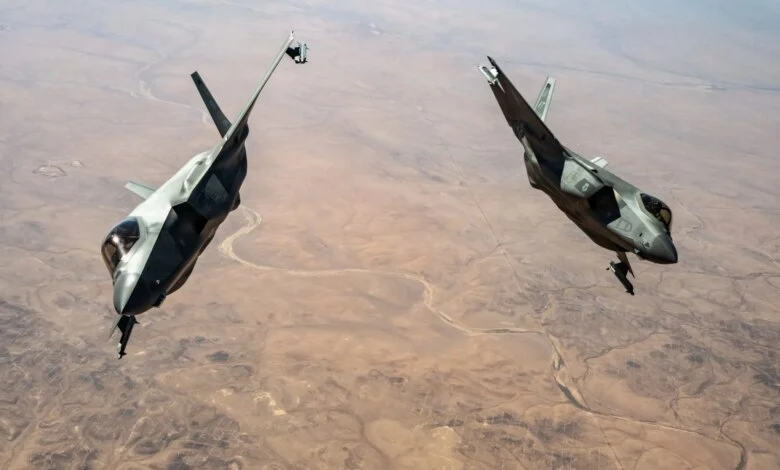
U.S. President Donald Trump has chosen to hold off on ordering major military strikes against Iran despite the recent killing of American troops in Jordan, pausing nearly two weeks of continuous U.S. Central Command bombardments to allow diplomatic negotiations a chance to reopen the Strait of Hormuz.
Although the Pentagon presented detailed strike packages to the White House following the deadly attack in Jordan, Trump instructed military commanders to hold operations in reserve while maintaining combat readiness. U.S. Central Command made no official announcements of new offensive actions on Friday, marking a distinct pause in the aerial campaign.
The diplomatic focus has shifted toward Muscat, where Omani mediators traveled to Tehran on Friday to negotiate a potential maritime agreement. Oman, which historically serves as a diplomatic bridge between Western powers and Tehran, is working to secure an arrangement that could reopen commercial transit through the Strait of Hormuz over the weekend.
The narrow waterway between Iran and Oman is widely considered the world’s most critical oil transit chokepoint, handling approximately one-fifth of global petroleum supplies according to data from the U.S. Energy Information Administration. Iran’s targeting of commercial shipping near Oman’s coast had effectively halted standard tanker traffic, driving crude oil prices sharply higher and unsettling global equity and bond markets.
Addressing reporters on Friday, Trump stated that while he retains options to escalate operations by knocking out military infrastructure, his preferred outcome remains a negotiated settlement. “They want to make a deal. I just don’t think they’re ready yet, but they do want to make a deal,” Trump remarked, adding that direct negotiations were underway.
Despite the tactical pause in direct U.S. bombardment, American forces continue surging special operations troops, strategic bombers, and fighter jets to Middle East bases. At the same time, regional involvement has widened, with Bahrain and Kuwait secretly sending fighter jets to bomb Iranian targets—marking their first direct attacks of the conflict, following earlier military operations by Saudi Arabia and the United Arab Emirates.
Simultaneously, tension has intensified around the Bab el-Mandeb Strait, where Iran-backed Houthi rebels hit two Saudi oil tankers in the Red Sea. The attacks prompted Saudi Arabia to strike the Yemeni port city of Hodeida, expanding a multi-front maritime standoff that spans the Persian Gulf, the Red Sea, and the Black Sea.