World Cup Kickoff Sparks Strongest US Consumer Spending Growth in Four Years
Bank of America data shows host cities and local businesses are reaping the largest rewards from the tournament's start.
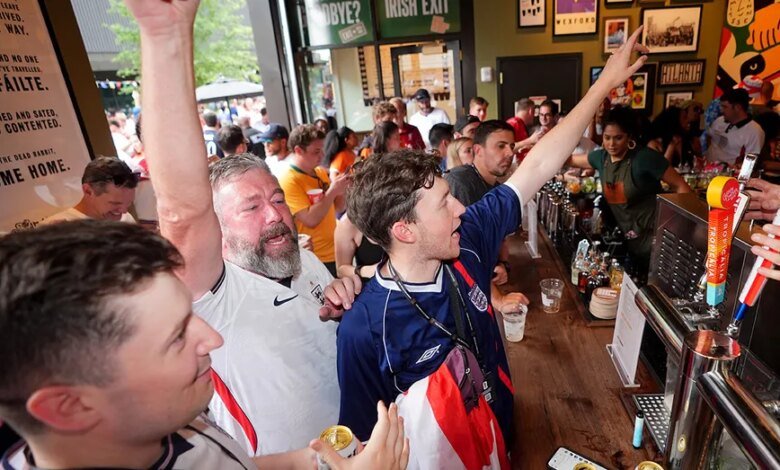
The start of the FIFA World Cup 2026 has delivered a powerful economic boost to the United States, driving consumer spending to its highest growth rate in more than four years.
According to newly released card transaction data from the Bank of America Institute, credit and debit card spending jumped 6.3% in June compared to the same period last year. This surge, heavily concentrated in tournament host cities, represents the strongest year-over-year expansion since early 2020.
Even when stripping out the impact of fluctuating gasoline prices, overall card spending climbed by 5.6% year-over-year. Analysts attribute this momentum to a combination of falling fuel costs and a significant rise in discretionary spending, which was supercharged by the soccer tournament’s kickoff on June 11.
“The World Cup scored big for consumer spending in June,” said Joe Wadford, an economist at the Bank of America Institute. He noted that transaction activity showed a healthy upward trajectory toward the end of the month, driven in large part by tournament-related excitement.
Host Cities Reap the Rewards
The economic benefits, however, have not been distributed evenly across the country. The Bank of America Institute analyzed brick-and-mortar transactions using zip codes in host cities compared to non-host municipalities. The findings reveal a sharp divide: restaurant spending in cities hosting games rose by two percentage points, whereas restaurant sales remained completely flat across the rest of the country.
A similar trend emerged in the broader retail sector. Stores located in host cities experienced a notable lift in sales after the tournament began. In contrast, non-restaurant retailers outside of these host hubs saw their spending growth decelerate once the matches got underway.
Wadford emphasized that local communities are the primary beneficiaries of this localized boom. “To me, this is a particularly positive story, as it suggests that a major portion of World Cup-generated spending stayed in the community,” he observed, pointing to packed stadiums and bustling dining establishments as key drivers.
Demographic Shifts and Economic Drivers
Interestingly, the data highlights a distinct demographic trend. Lower-income households provided the most substantial boost to local brick-and-mortar businesses in host cities. Meanwhile, higher-income households slightly dialed back their spending. However, when it came to dining out, all income brackets increased their spending at brick-and-mortar restaurants after the tournament commenced.
Wadford explained that younger consumers, who typically fall into lower-income brackets, likely drove much of this brick-and-mortar activity as they gathered to celebrate the global sporting event. Furthermore, broader macroeconomic factors have supported this demographic’s purchasing power. A resilient labor market and steady wage growth have bolstered the financial health of lower-income families, enabling them to participate more actively in discretionary spending.
The data also notes that some of the late-June spending gains were amplified by online promotional events. While these promotions occurred in July last year, their shift to late June this year helped elevate the year-over-year comparisons.