Costco’s $24 Kirkland Jasmine Rice Undercuts Supermarkets by 70%, Data Shows
25-pound bag at $23.99 beats supermarket pricing by wide margin, with Thai government certification
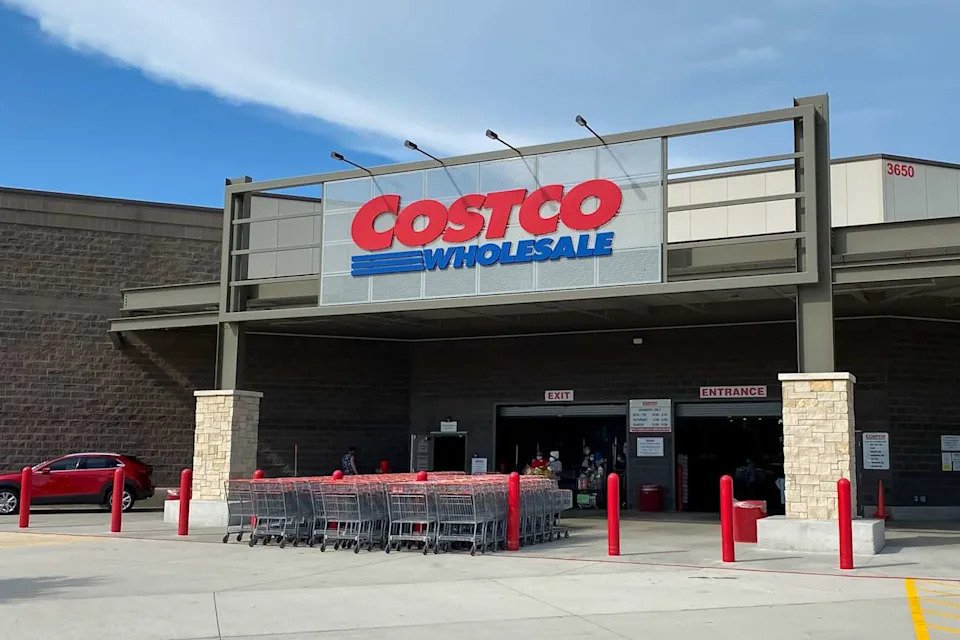
A 25-pound bag of Kirkland Signature Thai Hom Mali jasmine rice sells for $23.99 at Costco warehouses nationwide, translating to roughly 96 cents per pound — a price point that undercuts conventional supermarkets by approximately 70%, according to shelf-price surveys in major metropolitan areas.
In New York City, a five-pound bag of comparable Thai jasmine rice typically retails between $8 and $12, or $1.60 to $2.40 per pound. At the midpoint, a household buying 25 pounds in five-pound increments would spend $50 versus $24 at Costco, a $26 difference per purchase cycle. For a daily rice consumer cycling through a bag every three months, annual savings exceed $100 before accounting for membership fees.
The product carries the “Thai Hom Mali” designation, a geographic indication protected by Thailand’s Ministry of Commerce that certifies the rice as authentic, premium-grade Jasmine 85 variety grown in specific provinces — primarily Roi Et, Surin, and Buriram — using traditional cultivation methods. The Thai embassy in Washington reviews and endorses select export lines, including the Kirkland SKU, as meeting the standard’s aroma, texture, and purity benchmarks.


Costco’s purchasing leverage stems from direct contracts with Thai exporters, bypassing the multi-layered distribution chain that adds markup at each stage: importer, regional distributor, wholesaler, and retailer. The warehouse model also eliminates slotting fees and promotional allowances that supermarkets recoup through higher shelf prices.
Storage stability is a practical consideration. White jasmine rice, when kept cool, dry, and airtight, maintains culinary quality for 24 to 30 months. The 25-pound bag’s inner polyethylene liner provides adequate short-term protection, but food-safety extension services recommend transferring bulk rice to food-grade containers with gamma-seal lids for long-term storage, particularly in humid climates where moisture absorption can trigger mold growth or rancidity in the bran layer remnants.
Nutritionally, the rice delivers 160 calories per 45-gram dry serving with 36 grams of carbohydrate, 3 grams of protein, and negligible fat. It is not enriched, meaning it lacks the folic acid, iron, and B-vitamins added to U.S.-milled enriched white rice — a consideration for households relying on rice as a primary calorie source.
Costco carries at least four other private-label rice SKUs: a 50-pound parboiled long-grain ($28.99), a 25-pound basmati ($26.99), a 20-pound sushi-grade short-grain ($19.99), and a 25-pound organic brown jasmine ($29.99). The Thai Hom Mali jasmine remains the highest-volume rice item in Costco’s dry-grocery category, according to company procurement disclosures at the 2023 supplier summit.
The savings calculus shifts for households without a Costco membership ($65 annual Gold Star fee). A single-person household buying only this rice would need to purchase roughly three bags per year to break even on the membership cost alone. For families already shopping the warehouse for fuel, proteins, or paper goods, the rice functions as a loss-leader equivalent that reinforces renewal rates.
Thailand exported 8.7 million metric tons of rice in 2023, with Hom Mali varieties commanding a 15-20% premium over standard white rice in global commodity markets. Costco’s fixed retail price has held at $23.99 since late 2021, absorbing freight and currency fluctuations that have pushed competitor wholesale costs up 18% over the same period, according to USDA Foreign Agricultural Service reports.
The Kirkland bag currently on shelves bears a “Best By” date of March 2027.