Costa Mesa Caps Fairview Housing Plan at 2,300 Units to Save Golf Course
Costa Mesa preserves its golf course while planning thousands of homes at the former Fairview campus
COSTA MESA, Calif. — Costa Mesa is legally required under the Regional Housing Needs Assessment (RHNA), a state-mandated process that assigns housing targets to local governments, to zone for 11,760 new residential units by the end of the decade. Cities that fail to adopt compliant housing plans risk losing local zoning authority altogether under state preemptive measures, or face costly litigation and the withholding of state funds.
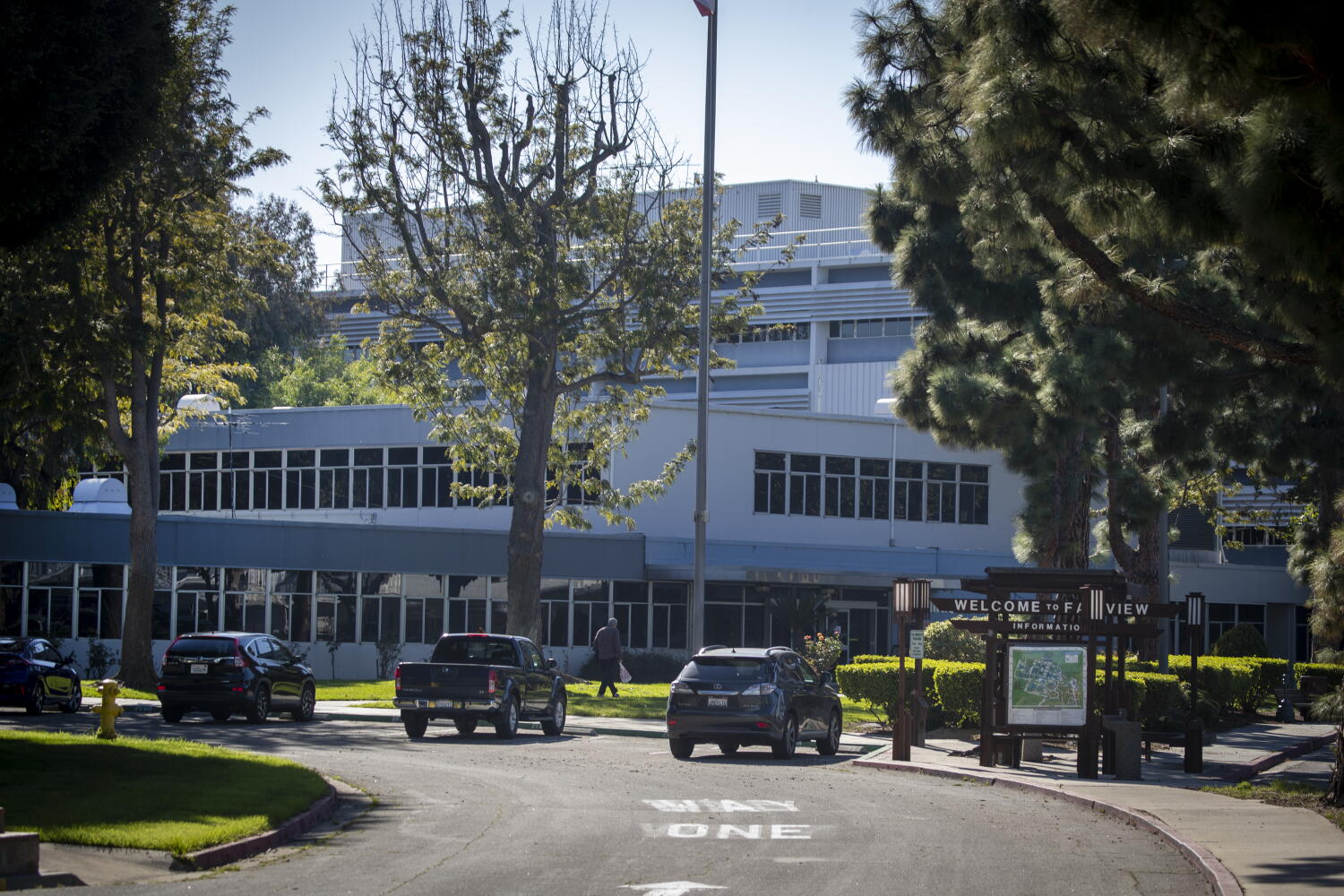
The Fairview Developmental Center is the single largest opportunity for Costa Mesa to meet those state-mandated goals. The 80-acre campus has sat largely vacant since its official closure in 2022, and the City Council has now approved a redevelopment plan that caps the proposed project at 2,300 residential units.
That limit allowed local officials to avoid, at least for now, the bisection of a municipal golf course despite pressure from Sacramento to maximize housing density on the state-owned property. If the council had approved more than 2,300 units, the city would have been required to build a secondary access road directly through the Mesa Linda golf course at the municipal Costa Mesa Country Club. Under the adopted compromise, the golf course will remain intact.


The approved figure is substantially below the 4,000-unit maximum previously recommended by the city’s Planning Commission. That higher proposal drew sharp criticism from local residents and golf enthusiasts.
Fairview’s redevelopment is part of California’s broader campaign to address its chronic housing shortage. Because 40% of the project is earmarked as affordable, however, the final unit count remains fluid: under California’s Density Bonus Law, developers who include designated percentages of affordable housing can bypass local zoning limits to build additional units. A future developer could therefore use the state incentives to exceed Costa Mesa’s 2,300-unit cap.
The approved plan calls for a master-planned neighborhood with 920 units restricted for low-income tenants, 25 acres of public open space, and 35,000 square feet of commercial space. City documents indicate that the development will primarily consist of multiunit apartment buildings and other high-density residential layouts, although no specific architectural designs have been finalized.
The commercial space is intended to support the new neighborhood. According to a draft environmental impact report, the 35,000 square feet could accommodate grocery stores, restaurants, coffee shops, fitness centers, and childcare facilities. The planned open space will include public parks, plazas, picnic areas, and walking and biking trails.
Councilmember Arlis Reynolds said approximately half of Costa Mesa’s residents are currently “rent-burdened,” meaning they spend more than 30% of their household income on housing costs. “There are a lot of trade-offs in this project, but a driving force from the beginning is looking for opportunities for affordable housing,” Reynolds said. “Having stable, affordable housing is foundational to having a better life in Costa Mesa.”
The property is owned by the state of California, making the redevelopment a collaborative effort between the city and the California Department of Services. No master developer has yet been selected to oversee construction.
Opened in 1959, the Fairview Developmental Center housed upwards of 2,500 patients at its peak. Its closure followed a decades-long policy shift after passage of the landmark Lanterman Developmental Disabilities Services Act in 1969, as California moved away from large, institutionalized state hospitals toward decentralized, community-based group homes and independent living arrangements. During the COVID-19 pandemic, the campus briefly served as an emergency surge hospital and quarantine site before the state finalized its decommissioning.