

Aqua Aerobics Science: Why Water Workouts Rival the Gym
Hydrostatic pressure and buoyancy alter heart rate and muscle activation, requiring different intensity metrics than gym workouts.
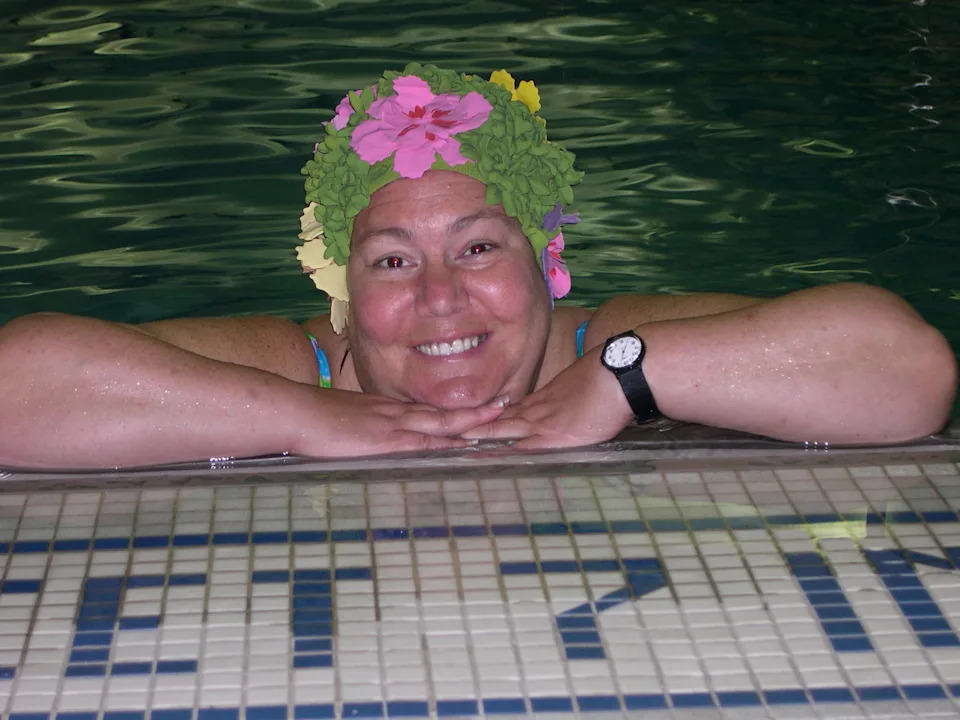
Water exercise produces cardiovascular and metabolic gains comparable to land-based training while simultaneously altering how the human body registers exertion, a physiological paradox that is prompting physicians to rethink standard fitness metrics for pool workouts.
For decades, aqua aerobics occupied a narrow cultural lane, frequently dismissed as low-intensity rehabilitation or an activity reserved exclusively for older adults. Clinical data contradicts that assumption. A 2023 meta-analysis published in Diabetes Research and Clinical Practice found aquatic training matched land-based programs in improving blood sugar control and blood pressure. Separate randomized controlled trials in Frontiers in Cardiovascular Medicine demonstrated equivalent improvements in blood vessel flexibility among patients recovering from cardiac events.
The mechanics driving these results differ fundamentally from gym-based routines. Immersion to chest or shoulder level offloads between 69 and 85 percent of total body weight, according to biomechanical research. That reduction eliminates the compressive forces that degrade cartilage during running or jumping. Yet water generates multi-directional resistance against every movement, forcing simultaneous engagement of opposing muscle groups without the eccentric loading responsible for most delayed-onset muscle soreness on land.


This altered physics creates a specific challenge for fitness tracking. Heart rate runs consistently lower in water than on land during equivalent perceived effort, driven by hydrostatic pressure pushing blood back toward the core and increasing stroke volume. Simran Malhotra, MD, a physician board-certified in internal medicine and lifestyle medicine based in Bethesda, Maryland, warns that applying standard land-based heart rate zones to pool sessions risks overexertion. Perceived exertion scales, rather than pulse monitors, provide more accurate intensity gauges underwater.
Nneoma Oparaji, MD, a Houston-based physician specializing in obesity and lifestyle medicine, points to systematic reviews of electromyography studies showing leg muscles activate less forcefully in water even when participants report high difficulty. The fluid supports the skeletal frame while taxing the cardiovascular system, delivering what Oparaji describes as strength and endurance conditioning without joint wear.
That mechanical advantage translates directly into clinical protocols for chronic disease. A 2016 Cochrane review established aquatic exercise as an effective intervention for osteoarthritis, reducing pain and disability by lowering joint load. Systematic reviews have also documented improvements in balance and reduced fear of falling among Parkinson’s disease patients who train in pools, addressing one of the condition’s most dangerous secondary symptoms.
Athletic programs increasingly exploit these properties. Plyometric jump training performed in water improves power, agility, and speed at rates similar to dryland equivalents, while drastically cutting landing impact forces. Professional sports franchises routinely use pool sessions for active recovery, allowing injured athletes to maintain neuromuscular pathways without bearing full gravitational weight.
Osteoporosis management requires a more complex calculation. While water exercise builds the balance and mobility necessary to prevent falls, bone mineral density responds primarily to gravitational loading and heavy resistance. Physicians advise patients with low bone mass to treat aqua aerobics as one component of a broader regimen that includes weight-bearing activities, rather than a standalone treatment.
Beyond clinical applications, the structured repetition of pool routines addresses psychological factors that typically derail long-term exercise adherence. The American College of Sports Medicine has long noted that consistency outweighs intensity in predicting health outcomes, making the accessibility of water exercise a primary asset for populations historically excluded from traditional gym environments due to pain, mobility restrictions, or size-related discomfort.
Facility access remains the primary barrier to wider adoption. Unlike running or home workouts, aqua aerobics requires heated, accessible pools, which are unevenly distributed across U.S. municipalities. Many public recreation departments and YMCA branches have expanded adult aquatic programming in recent years to meet demand from aging demographics, though waitlists for early-morning lanes remain common in urban centers.
Current guidelines from the Centers for Disease Control and Prevention recommend 150 minutes of moderate-intensity aerobic activity weekly for adults, a threshold achievable entirely through water-based routines provided intensity is calibrated to perceived effort rather than standard heart rate formulas.









