Continental Resources Moves Into Venezuela’s 30 Billion-Barrel Oil Giant
Continental Resources targets a 30 billion-barrel Venezuelan oil block
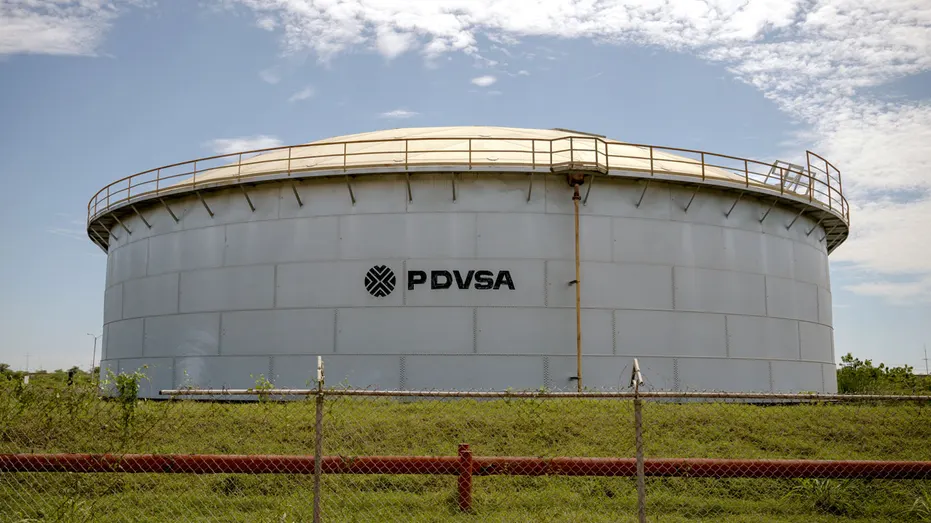
Continental Resources, the Oklahoma City-based independent producer, has entered into a memorandum of understanding with state-owned oil enterprise Petróleos de Venezuela, S.A. (PDVSA) to operate and develop the Ayacucho 2 Block in Venezuela’s Orinoco Petroleum Belt. The prospective agreement targets an estimated 30 billion barrels of oil spread across a 126,000-acre tract in Anzoátegui state.
Once the long-term production contract is executed, Continental will hold a 100% operating interest in the block. Its asset portfolio has historically been concentrated in U.S. shale basins, including North Dakota’s Bakken Formation and Oklahoma’s SCOOP and STACK plays.
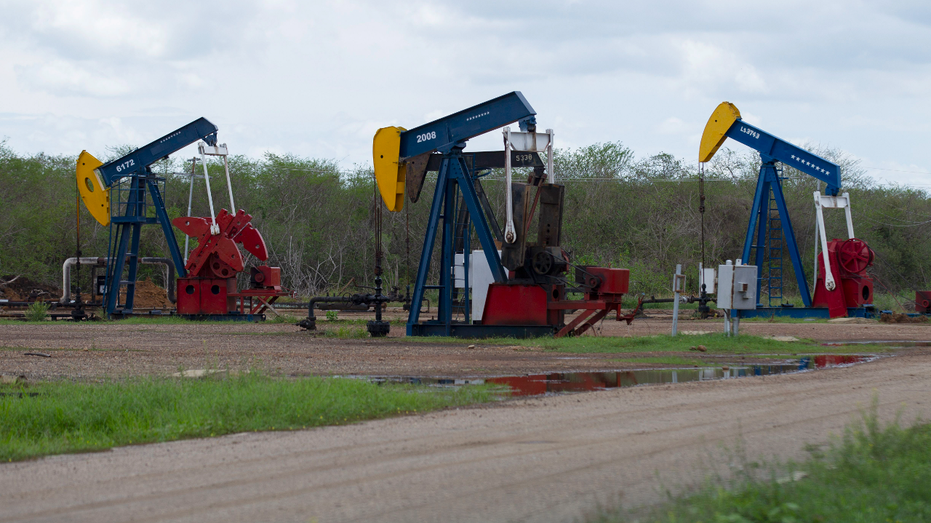


The move follows calls from the Trump administration for American energy companies to help restore Venezuela’s energy sector. It also comes after structural changes to Venezuela’s legal framework for hydrocarbons. Under the country’s former rules, foreign energy firms were required to participate in minority joint ventures controlled by PDVSA, a structure that contributed to reduced foreign direct investment after the state expropriations of international energy assets in 2007.
“Ayacucho 2 represents one of the most significant resource opportunities in Continental’s nearly 60-year history,” Continental Resources Chief Executive Officer Doug Lawler said. He noted that the project will substantially expand the company’s long-term development inventory.
Continental was founded in 1967 by oil executive Harold Hamm, who built it into one of the largest domestic crude producers in the United States before taking the company private in late 2022. Hamm now serves as chairman emeritus.
“Continental was built to recognize great resource opportunities and have the conviction to pursue them,” Hamm said. “What this company is doing today builds on that foundation while taking Continental to an entirely new level.”
The agreement gives Continental the ability to deploy private capital, extraction technology, and operational personnel in the region. The company is also continuing to evaluate additional commercial opportunities in the United States and abroad.
Extra-heavy crude in the Orinoco Belt creates substantial technical requirements. The oil has high viscosity and low API gravity, typically below 10 degrees. Unlike light sweet crude, it cannot flow through pipelines at ambient temperatures unless it is blended with lighter hydrocarbon diluents such as naphtha or processed through specialized upgrading facilities that convert dense bitumen into synthetic crude oil.
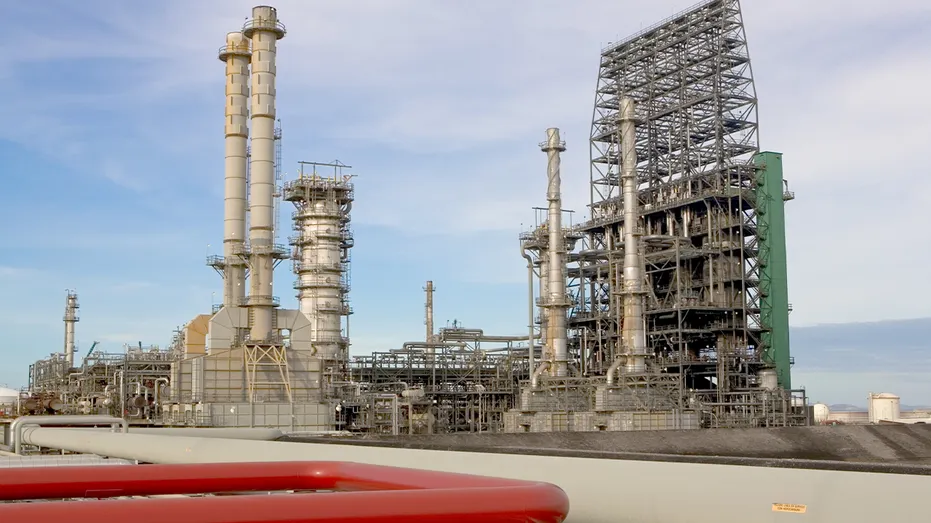
Venezuela’s processing facilities and upgrading infrastructure have been damaged by decades of underinvestment, operational disruptions, and severe budgetary constraints at PDVSA. International sanctions on the country’s energy sector further restricted foreign involvement, limited access to technical expertise, and constrained imports of the diluents needed to transport heavy crude.
Data updated in February 2024 by the U.S. Energy Information Administration (EIA) shows that Venezuela has the world’s largest proven crude oil reserves, with approximately 303 billion barrels, equal to 17% of the global total. Yet the country produced only 742,000 barrels per day in 2023, or 0.8% of total global supply.
That 2023 output was 70% below Venezuela’s 2013 production level and far below the country’s peak of nearly 3.5 million barrels per day in the late 1990s. Total crude output has collapsed over the past decade.
Continental’s entry coincides with expanding operational agreements involving California-based Chevron Corporation, which has continued operating in Venezuela through specific framework licenses granted by the U.S. Department of the Treasury. Bilateral efforts to restore the nation’s energy capacity target an eventual production increase to 1.5 million barrels per day, a level projected to generate as much as $200 billion in long-term revenues.
The international development also coincides with broader energy market volatility, as shifting global crude prices continue to shape capital allocation strategies across the domestic and international oil industries.