

Congress Pushes $54 Million Plan to Map and Clean Up 500,000 DDT Barrels Dumped Off California Coast
The Ocean Protection and DDT Reduction Act would designate NOAA as the lead agency and fund bioremediation research for legacy ocean pollution.
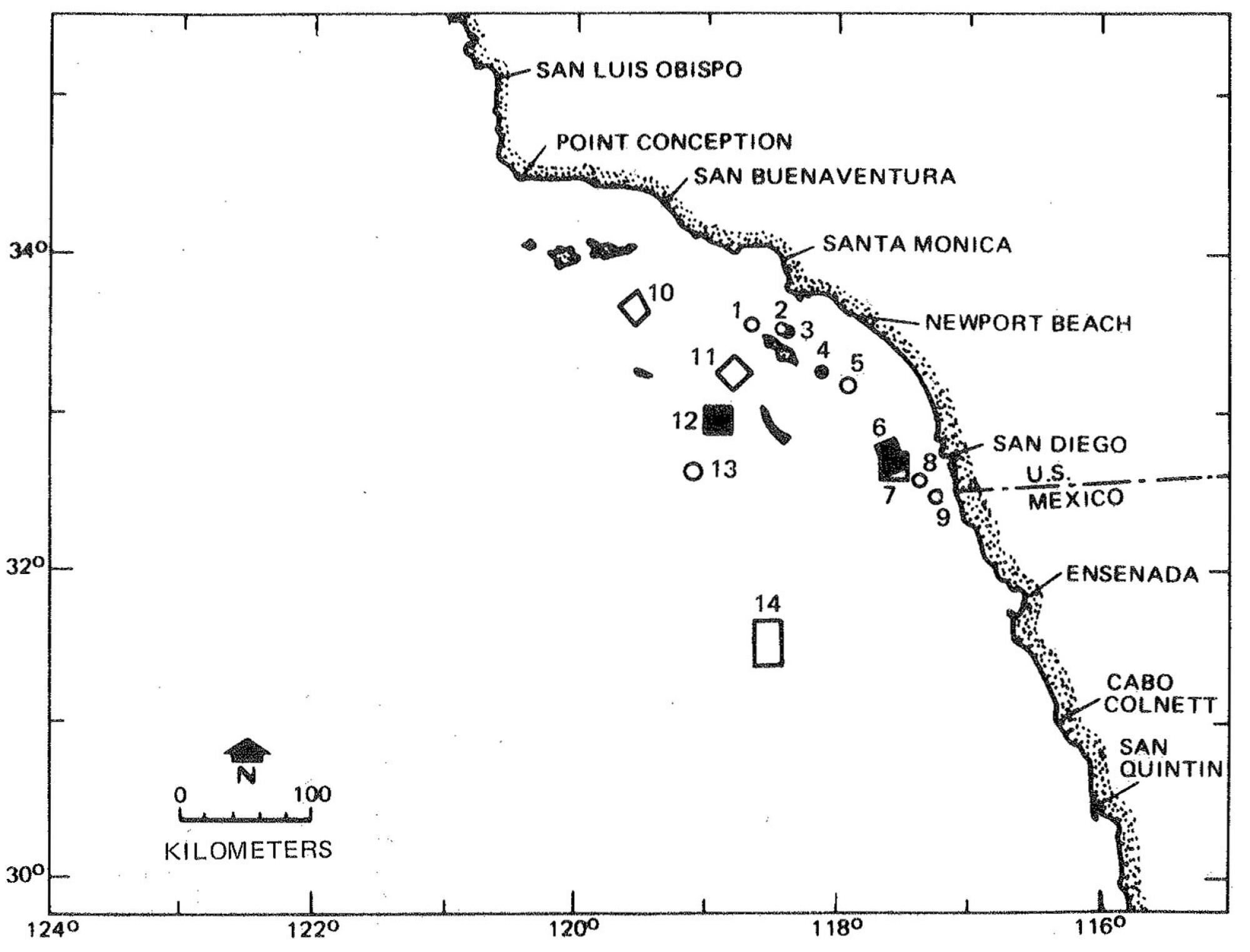
A bipartisan legislative effort launched this week aims to establish the first coordinated federal response to an estimated half-million barrels of DDT manufacturing waste sitting on the seafloor off Southern California. The Ocean Protection and DDT Reduction Act, introduced by U.S. Sen. Alex Padilla and U.S. Rep. Salud Carbajal, both California Democrats, would authorize $6 million annually through 2034 to map the contamination, track its movement through marine food webs, and evaluate cleanup technologies.
The legislation designates the National Oceanic and Atmospheric Administration as the lead coordinating agency, ending years of fragmented oversight among the Environmental Protection Agency, the Department of Defense, and academic institutions. NOAA would be required to consult with those agencies to consolidate decades of disparate research into a unified remediation strategy.
DDT, or dichlorodiphenyltrichloroethane, was banned in the United States in 1972 following public outcry fueled by Rachel Carson’s 1962 book “Silent Spring.” But the ban did not address the industrial waste already discarded at sea. Montrose Chemical Corporation, once the nation’s largest DDT manufacturer, operated a plant in Torrance, California, from 1947 to 1982. For decades, the company discharged acidic sludge laced with DDT directly into the Los Angeles County sewer system, which emptied onto the Palos Verdes Shelf. Simultaneously, waste was loaded onto barges and dumped into deep waters near the Channel Islands.


Because DDT is highly lipophilic—meaning it binds aggressively to fats rather than dissolving in water—it does not wash away. Instead, it accumulates in sediments and bioaccumulates up the food chain. Recent studies have linked the chemical to aggressive urogenital carcinomas in California sea lions, a cancer rate unmatched in other marine mammal populations. Elevated concentrations continue to appear in bottlenose dolphins and coastal-feeding California condors more than five decades after ocean dumping ceased.
The scale of the underwater contamination extends far beyond pesticide waste. While mapping the seafloor using autonomous underwater vehicles, researchers from the Scripps Institution of Oceanography at UC San Diego identified corroding barrels but also uncovered vast fields of unexploded military ordnance dating to World War II. A subsequent EPA review of historical records revealed that between the 1930s and early 1970s, regulators approved at least 14 distinct dump sites off the Southern California coast. Those sites received military explosives, radioactive materials, and approximately 3 million metric tons of petroleum refinery byproducts.
David Valentine, a UC Santa Barbara researcher whose team initially located the corroding DDT barrels using sonar and submersibles, noted that the proposed funding would provide continuity for a scientific community that has largely relied on short-term grants. Researchers currently lack a centralized mechanism to coordinate deep-ocean waste disposal studies across different jurisdictions.
The bill specifically directs scientists to explore bioremediation—the use of microorganisms to break down toxic compounds—as a potential cleanup method. Deep-sea bioremediation remains largely experimental. Unlike terrestrial Superfund sites, where contaminated soil can be excavated or capped, disturbing deep-ocean sediments risks resuspending trapped DDT into the water column, potentially accelerating its absorption by pelagic organisms. Developing tools to characterize and manage these risks off California could establish protocols applicable to other legacy dump sites along the U.S. coastline.
Mark Gold, director of the California Cooperative Oceanic Fisheries Investigations program at Scripps, emphasized that integrating data from the deep ocean, the Palos Verdes Shelf, and the Dominguez Channel estuary is essential before policymakers can safely intervene. These three zones represent distinct pathways of contamination: direct barge dumping, municipal wastewater discharge, and industrial runoff.
Padilla and Carbajal are actively seeking Republican co-sponsors in both chambers to advance the measure. If enacted, the $54 million total authorization would represent the largest dedicated federal investment in addressing legacy ocean pollution in U.S. history.
The legislation arrives as CalCOFI continues its long-running oceanographic surveys off the California coast, integrating new sediment toxicity data into its ongoing monitoring of marine ecosystem health.










One Comment