

California Proposition 39 Would Mandate Voter ID as National Election Integrity Debate Intensifies
The November ballot measure directly conflicts with a 2024 state law banning local voter ID mandates and mirrors provisions in the stalled federal SAVE America Act.
California voters face a direct decision this November on whether to require government-issued identification at the polls, placing the nation’s most populous state at the center of an escalating national conflict over election security protocols.
Proposition 39, appearing on the California ballot, would mandate that in-person voters present government-issued photo identification before casting a ballot. Those voting by mail — the dominant method in a state that automatically sends ballots to every registered voter under a 2021 law — would be required to provide the last four digits of a government ID number with their returned ballot.
The measure arrives as federal lawmakers push parallel legislation. The Safeguard American Voter Eligibility Act, known as the SAVE America Act, proposes stricter national standards requiring documentary proof of citizenship during voter registration and photo ID at polling places. While federal voter ID bills have repeatedly stalled in the U.S. Senate due to filibuster thresholds, state-level initiatives like Proposition 39 allow voters to bypass legislative gridlock entirely.


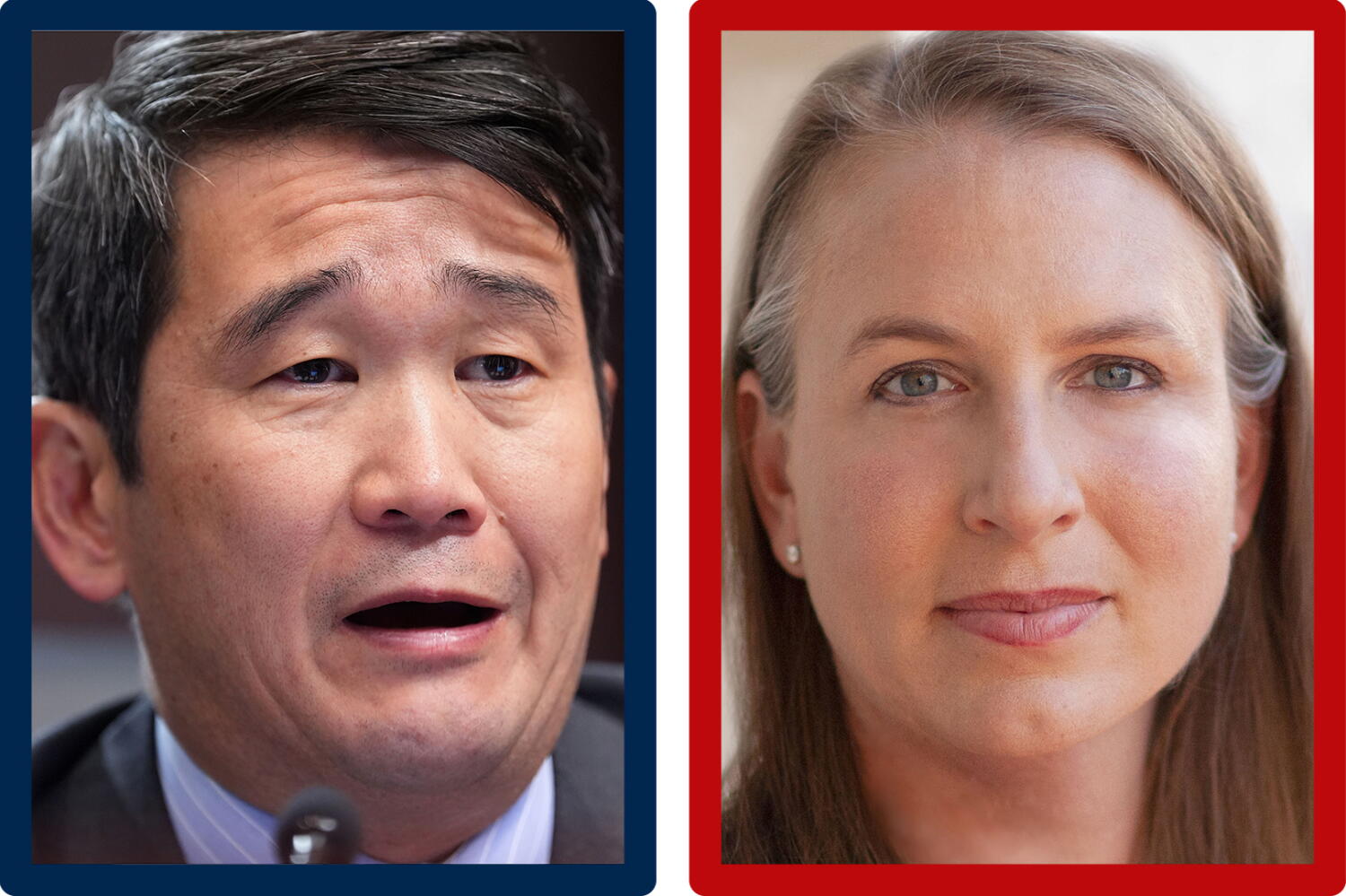
Supporters argue current verification methods leave elections exposed. Le Roux, a backer of both the state proposition and the federal SAVE America Act, criticized the volume of mail-in ballots distributed across California, characterizing the process as lacking sufficient safeguards and generating prolonged counting periods that invite national scrutiny.
Under existing California law, residents registering to vote must supply either a driver’s license number or the final four digits of their Social Security number. Election officials use this data to verify identity against Department of Motor Vehicles and Social Security Administration databases. However, the state does not currently require voters to physically present identification at a polling place or attach ID numbers to mailed ballots.
Opponents frame the push for stricter identification rules as part of a broader effort to restrict ballot access rather than secure it. Min, who authored a 2024 California law prohibiting local governments from mandating voter identification at polling locations, pointed to former President Donald Trump’s historical attacks on mail-in voting and his documented attempts to pressure the U.S. Postal Service regarding ballot delivery during the 2020 election cycle. Min argued these actions, occurring without evidence of widespread fraud, represent anti-democratic threats to election integrity.
The 2024 statute Min championed effectively preempted local jurisdictions from establishing their own ID requirements, setting up a direct legal collision course with Proposition 39 should voters approve it this fall. If passed, the statewide mandate would supersede the local prohibitions enacted two years prior.
Nationally, the landscape of voter identification laws varies drastically. States such as Georgia, Texas, and Indiana enforce strict photo ID requirements, while states like New York and Vermont historically maintained looser standards, though several have tightened rules following the 2020 election. According to the National Conference of State Legislatures, 36 states currently have laws requesting or requiring some form of identification at the polls, leaving 14 states, including California under its current framework, relying on alternative verification methods like signature matching.
Signature matching, the primary tool used to verify mail-in ballots in California, involves comparing the signature on a returned envelope to the one on file. Critics note the subjective nature of this process, while defenders point to decades of low prosecution rates for voter impersonation as evidence that systemic fraud remains statistically negligible.
Voter registration deadlines for the November election closed earlier this month across California’s 58 counties, with county registrars now processing final rolls ahead of early voting periods.









One Comment