Budget Android Phones: Minimum Specs to Demand Under $300
Why 6GB of RAM, AMOLED displays, and 5,000mAh batteries are the new non-negotiable standards for affordable smartphones.
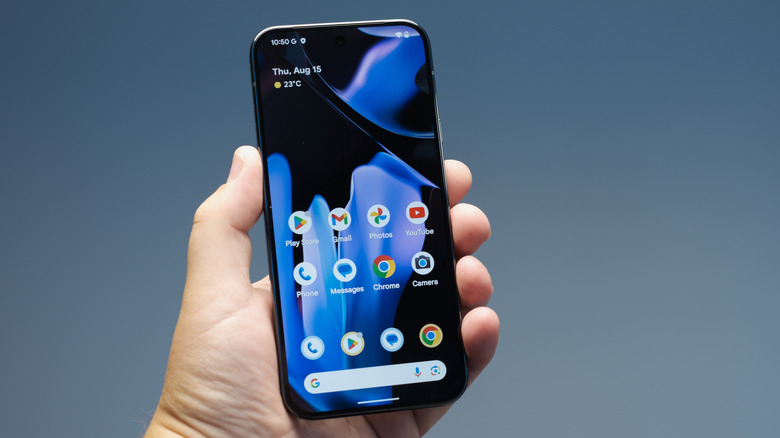
Buying a smartphone for $300 or less no longer means accepting a device that stutters through basic tasks. The budget Android market has matured significantly, driven by aggressive competition from Samsung, Motorola, and Nothing, as well as a robust ecosystem of certified refurbished flagships. But navigating this tier requires knowing exactly which hardware specifications separate a reliable daily driver from an expensive paperweight.
The most common trap in the sub-$300 segment is insufficient memory. Budget manufacturers frequently ship devices with 4GB of RAM to cut costs, but modern Android versions and background services consume that capacity rapidly. A minimum of 6GB of RAM is required for stable multitasking, app switching, and media streaming without constant reloads. Users who play mobile games should treat 8GB as the baseline. This threshold matters because Android’s memory management relies heavily on available RAM to keep applications suspended rather than force-closing them, directly impacting battery efficiency and responsiveness.
Storage demands have escalated alongside operating system sizes. With base Android installations and preloaded software often consuming 20GB to 30GB out of the box, a 64GB drive fills up almost immediately. Devices must offer at least 128GB of internal storage, with 256GB providing necessary longevity. Expandable storage via microSD cards, once standard, has largely vanished from modern budget phones as manufacturers prioritize sealed designs and faster UFS (Universal Flash Storage) standards over legacy card slots.


Display technology dictates both usability and power consumption. Buyers should reject LCD panels entirely in favor of AMOLED screens, which offer deeper contrast, true blacks, and lower power draw since individual pixels turn off to display dark content. A minimum diagonal size of 6.1 inches aligns with current ergonomic standards for two-handed typing and media consumption. More critical than size is peak brightness; a panel rated below 1,000 nits becomes unreadable outdoors under direct sunlight, rendering the phone useless for navigation or messaging while commuting.
Battery capacity requirements have shifted upward due to the integration of on-device AI processing and higher-refresh-rate displays. While older budget guides suggested 4,000mAh cells, 5,000mAh is the functional standard for all-day endurance under moderate use. Pairing a large battery with an efficient mid-range processor—such as Qualcomm’s Snapdragon 6 or 7 series, or MediaTek’s Dimensity lineup—prevents the thermal throttling and rapid drain associated with older, cheaper chipsets. Checking the release date of the processor architecture is essential, as a three-year-old flagship chip often outperforms a brand-new entry-level one.
Camera evaluation in the budget tier suffers from megapixel inflation. Manufacturers routinely advertise 50MP or 108MP sensors, but sensor physical size determines actual image quality. A larger sensor captures more light, reducing noise in low environments regardless of the megapixel count. For a primary rear camera, a 32MP sensor with optical image stabilization provides a usable baseline for social media and documentation. Front-facing cameras require at least 12MP resolution, as video calling remains a primary communication method.
Hardware specifications mean little if the software environment is abandoned. Buyers must verify the remaining security patch lifecycle before purchasing. Older discounted models might lack critical vulnerability fixes within months of purchase. Essential connectivity features like NFC for tap-to-pay systems and Bluetooth 5.2 or newer for stable audio peripheral connections should be confirmed on the spec sheet, as ultra-budget variants sometimes omit them.
Several specific product strategies currently satisfy these requirements. Samsung’s Galaxy A series, including recent iterations like the Galaxy A17, targets these exact baselines with guaranteed multi-year update policies. Brands like Nothing and Motorola compete by stripping away bloatware to maximize the performance of mid-tier processors. Alternatively, the certified refurbished market offers distinct advantages; a renewed Google Pixel 8a now trades just above the $300 mark, delivering flagship-grade computational photography and extended software support that new budget hardware cannot match. Retailers and carriers typically discount these tiers most aggressively during seasonal promotional windows, making timing a practical component of the purchase.