

Baby Sleep Gripe Water Recalled Over Hidden Alcohol
FDA tests detected ethanol, methanol and isopropanol in a lot of Babies' Magic Tea sold via Amazon and Secrets of Tea.
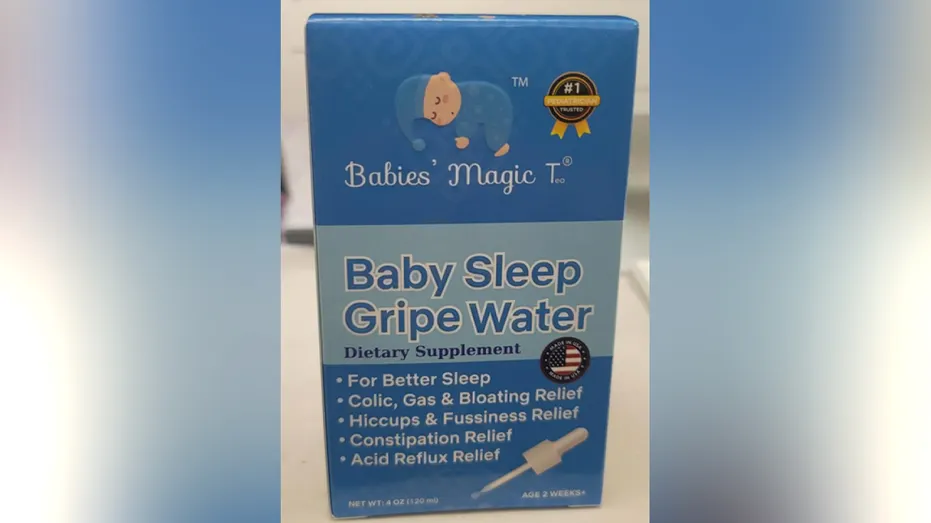
Federal regulators are warning parents to immediately discard a specific lot of infant gripe water after laboratory analysis revealed it contains three types of undeclared alcohol, including methanol, a toxic substance capable of causing organ damage in developing bodies.
Pacific Health Sciences issued the voluntary recall on Oct. 6 for Lot 25122bw of Babies’ Magic Tea brand Baby Sleep Gripe Water. The U.S. Food and Drug Administration published the notice the following day. The affected 4-ounce amber bottles, packaged in blue cardboard boxes with an oral syringe, carry a best-before date of December 2028. Consumers can verify the lot number printed on the bottom of the box and the side panel of the bottle.
FDA testing determined the liquid contained approximately 8.3% ethanol, 0.48% isopropanol and 0.35% methanol. None of these compounds appeared on the product label, which markets the supplement as a remedy for infant gas, bloating, constipation, acid reflux and sleep difficulties.


The presence of methanol distinguishes this recall from historical controversies surrounding alcohol in infant remedies. Ethanol was a standard ingredient in traditional gripe water formulations for decades until pediatric guidelines shifted against its use in the late 20th century. Methanol, commonly known as wood alcohol, has no history of accepted use in dietary supplements or pediatric medicine. The human body metabolizes methanol into formaldehyde and formic acid, which can cause metabolic acidosis, visual impairment and central nervous system depression. Infants process toxins significantly slower than adults due to immature liver enzymes, making even trace amounts of methanol disproportionately dangerous.
Isopropanol, widely recognized as rubbing alcohol, introduces further toxicity risks when ingested. According to the recall notice, administering the product at the recommended dosage could trigger drowsiness, loss of coordination, behavioral changes, nausea, vomiting and abdominal pain. Higher exposure levels elevate the risk of respiratory depression.
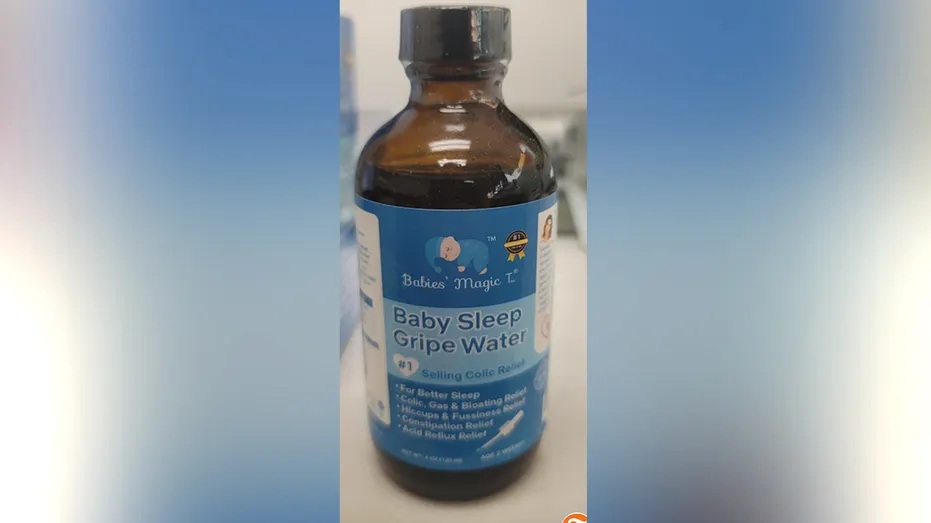
Pacific Health Sciences distributed the recalled lot to Secrets of Tea, which subsequently sold the supplement through its own website and Amazon. The reliance on e-commerce platforms for distributing unregulated infant supplements complicates recall logistics, as buyers may not receive direct notifications compared to purchases made through pharmacy loyalty programs or brick-and-mortar registries.
Dietary supplements marketed for infants operate under different regulatory constraints than over-the-counter drugs. While OTC medications require FDA premarket approval and strict manufacturing controls, dietary supplements do not undergo the same rigorous review before reaching consumers. Manufacturers bear the legal responsibility for ensuring safety and accurate labeling, while the FDA typically intervenes after products enter the market, often triggered by consumer complaints or routine surveillance testing.

No adverse events linked to Lot 25122bw had been reported to Pacific Health Sciences at the time the recall was initiated. Caregivers who administered the product should monitor infants closely and seek immediate medical evaluation if any symptoms develop. The company advises consumers to either dispose of the bottles or return them to the original point of purchase for a refund.









