

Apple Agrees to $250 Million Settlement Over Delayed Apple Intelligence Features
Eligible customers may receive $25 to $95 per device, depending on the number of approved claims.
Apple Inc. has agreed to pay $250 million to settle a nationwide class-action lawsuit alleging it misled consumers by marketing its Apple Intelligence software before the features were ready for consumer use. The agreement does not include an admission of liability or wrongdoing by Apple.
U.S. customers who bought qualifying iPhones between June 10, 2024, and March 29, 2025, may be eligible for $25 to $95 per device. The final payment will depend on how many claims are approved; the baseline is estimated at $25 and could rise to $95 if participation is low, or fall if claim volume is exceptionally high.
[Image]


Claims must be filed online at SmartphoneAISettlement.com by December 21, 2026. The court-approved claims administrator has launched the portal to process applications.
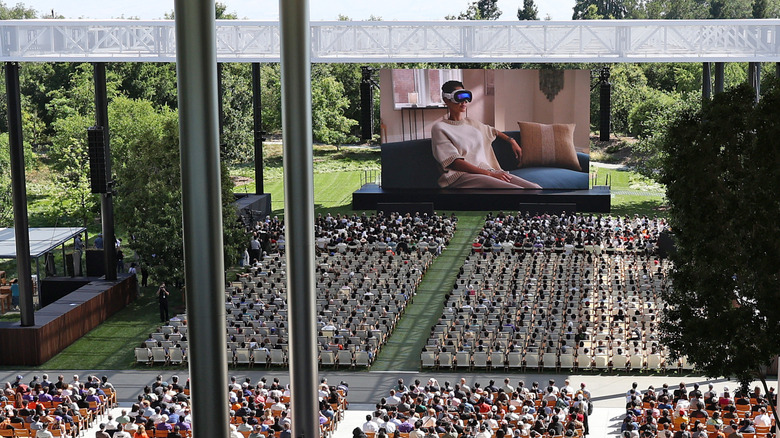
The lawsuit centers on commitments Apple made at its Worldwide Developers Conference keynote on June 10, 2024. Executives presented Apple Intelligence, a proprietary suite of generative artificial intelligence tools intended to improve Siri, automate text drafting and generate images, as a key selling point for upcoming hardware. The lawsuit alleges consumers bought high-end iPhones believing the capabilities would arrive shortly after the devices launched.
Instead, development bottlenecks delayed the rollout. A limited subset of the features did not arrive until late 2025, and the full suite promised during the 2024 presentation was not delivered until iOS 27 was released in fall 2026.
The settlement covers original retail purchasers who bought the devices in the United States for personal or business use. Buyers in international markets, including Canada, the United Kingdom and the European Union, are not eligible. Covered models are the iPhone 15 Pro, iPhone 15 Pro Max, iPhone 16, iPhone 16e, iPhone 16 Plus, iPhone 16 Pro and iPhone 16 Pro Max, provided they were purchased within the eligibility period.
Individual applicants must provide contact information, choose a payment method—PayPal, Venmo, ACH direct deposit or physical check—and enter the device’s serial number. It can be found under Settings > General > About. Applicants must also sign a legally binding declaration certifying that their information is accurate.
Businesses claiming for corporate-owned devices must use a business-specific form and upload a standardized claim template listing each qualifying phone’s serial number, associated Apple Account ID and linked phone number. Business payments are limited to ACH transfer or physical check.
The $250 million gross fund will also pay administrative costs, court-approved attorneys’ fees and applicable taxes before money is distributed to consumers.
During the delays, Apple’s artificial intelligence division underwent a leadership transition. John Giannandrea, the Senior Vice President of Machine Learning and AI Strategy who joined Apple from Google in 2018, began his retirement transition. Apple later partnered with Google to integrate the Gemini large language model into its operating system, seeking to strengthen its in-house AI development and meet consumer expectations.
The settlement adds to Apple’s record of consumer-protection cases involving product performance and marketing claims. In 2020, the company agreed to pay $500 million to resolve class-action claims that it intentionally throttled older iPhones through iOS updates to prevent battery shutdowns, a dispute known as “Batterygate.” Apple also paid $50 million to settle a long-running case over defective butterfly keyboards in MacBook laptops sold between 2015 and 2019.




