Bank of America Fined $1.21B Over AML and Sanctions Failures
Regulators say the bank ignored known compliance gaps while trillions in suspicious transactions went uninvestigated.
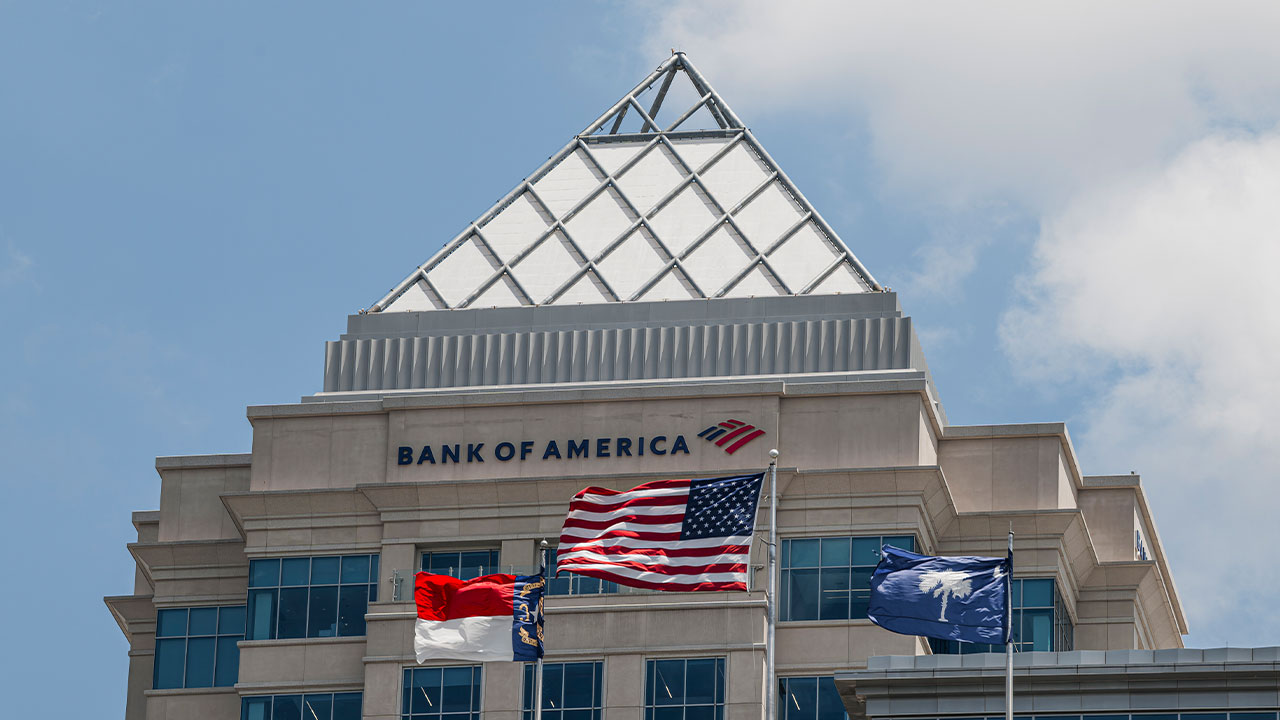
Federal regulators levied approximately $1.21 billion in penalties against Bank of America on Wednesday for systemic anti-money laundering failures and violations of U.S. sanctions programs, marking one of the most significant enforcement actions against a major American lender in recent years.
The Treasury Department’s Financial Crimes Enforcement Network, known as FinCEN, imposed the third-largest fine in its history as part of the coordinated action. The Office of the Comptroller of the Currency simultaneously issued the largest penalty ever recorded by the banking regulator.
Investigators determined that the Charlotte, North Carolina-based institution allowed trillions of dollars in potentially suspicious transactions to move through its systems without adequate scrutiny. Regulators found that bank executives were aware of severe compliance deficiencies yet failed to implement necessary controls to investigate or halt the activity.

Anti-money laundering protocols require U.S. financial institutions to file Suspicious Activity Reports, or SARs, when transactions indicate potential money laundering, terrorist financing, or other illicit conduct. Under the Bank Secrecy Act, banks must maintain comprehensive monitoring systems capable of flagging anomalies across domestic and international wire transfers, correspondent banking relationships, and high-volume commercial accounts. When those systems fail at the scale identified in this enforcement action, illicit funds can move freely through the global financial system.
Sanctions violations carry separate and equally severe consequences. The Treasury Department’s Office of Foreign Assets Control enforces economic sanctions against designated nations, terrorist organizations, narcotics traffickers, and individuals involved in human rights abuses. U.S. banks are legally obligated to screen every transaction against OFAC lists and block any funds connected to sanctioned entities. Failures in this screening process directly undermine American foreign policy and national security objectives.
Wednesday’s enforcement action places Bank of America among a small group of Wall Street firms that have faced billion-dollar fines for compliance breakdowns over the past decade. In 2014, JPMorgan Chase agreed to pay more than $2 billion to resolve charges related to its failure to report suspicious activity tied to Bernie Madoff’s Ponzi scheme. HSBC paid $1.9 billion in 2012 after admitting it laundered money for Mexican drug cartels and processed transactions for sanctioned countries. Those precedents established that regulators would pursue maximum statutory penalties when internal warnings were ignored.
For Bank of America, the second-largest U.S. lender by total assets, the financial hit represents a fraction of its quarterly revenue but signals deeper operational risks. Large-scale enforcement actions typically force banks into consent orders requiring independent monitors, mandatory technology overhauls, and expanded reporting obligations to federal examiners. These remediation efforts frequently cost institutions hundreds of millions of dollars beyond the initial fines and divert executive attention from core business operations.
The OCC and FinCEN have not yet released the full text of their consent orders detailing the specific timeframes of the violations or identifying whether individual executives face personal liability. Federal regulators have increasingly pursued accountability against senior management in recent years, moving beyond corporate fines to target the compliance officers and business-line leaders who oversaw the deficient operations.
Bank of America reported $25.8 billion in net income for the first half of 2026, meaning the combined penalties will materially impact its third-quarter earnings when formally recognized.