Iran Conflict Costs $38 Billion as White House Calls It “Small Potatoes”
Pentagon spending rises as household costs mount
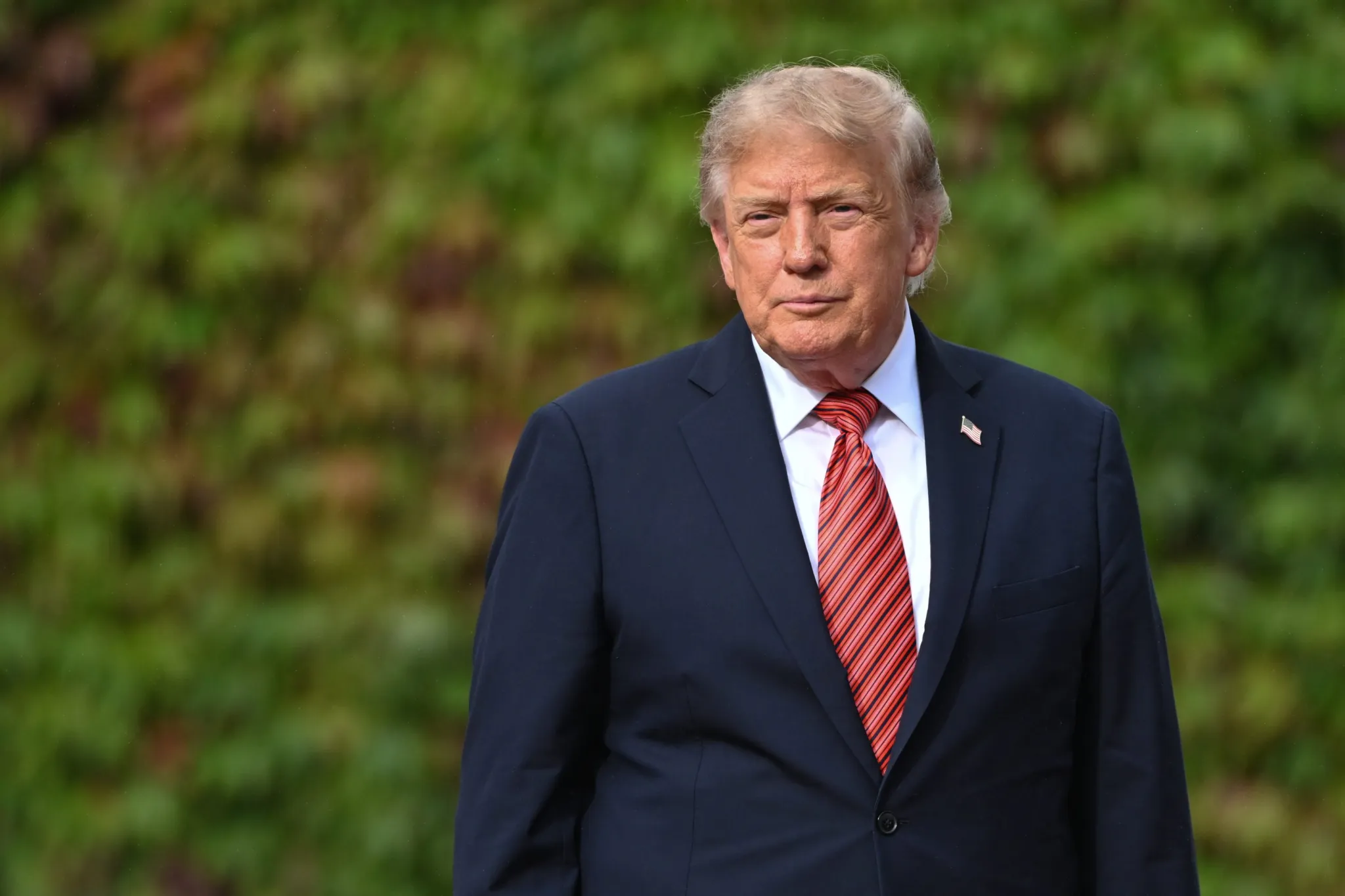
WASHINGTON — The White House has resisted calling the military operation in Iran a war, even as direct Pentagon spending reached approximately $38 billion by August 1, 2026, according to a Congressional Budget Office (CBO) report. President Trump and Vice President J.D. Vance have instead framed the action as a localized containment effort.
“A lot of people don’t call it a war, I call it a military conflict because it’s small potatoes for us, it’s not a thing,” Trump told reporters, defending Vance’s public stance. Administration officials have pointed to the relatively limited footprint of U.S. forces in the region and the intermittent nature of the airstrikes. Eighteen U.S. service members have died in the conflict, a toll that, while tragic, is statistically below the casualties sustained during previous protracted conflicts in the Middle East.
The CBO, a nonpartisan agency tasked with providing budget and economic analyses to Congress, said the direct expenditure was driven primarily by the operational realities of modern standoff warfare. The spending includes replacing expensive precision-guided munitions used in strikes, replacing military equipment lost in combat, funding increased flying hours for patrol and combat aircraft, and covering escalating fuel costs.


The agency’s figure covers only the incremental cost of the conflict. It excludes regular salaries and basic upkeep for military units deployed to the region because those standard baseline expenditures are already included in the Department of Defense’s annual budget. The tally also leaves out the effect on civilian government operations, including rising fuel costs absorbed by the U.S. Postal Service as global energy prices fluctuate because of regional instability.
Monthly funding requirements have not remained fixed. During periods of relative calm in May and June 2026, the operation required roughly $2 billion per month; when regional tensions flared in July, the monthly cost rose to $3 billion. The CBO warned that expenditures could rise dramatically if the conflict exceeds the intensity levels recorded this summer.
The funding figures have fueled friction over how the undeclared war is being financed. In June, the White House submitted an $87.6 billion supplemental appropriations request to Congress, including $67.1 billion for the Department of Defense. After analyzing the request, the CBO determined that $42.3 billion of the Pentagon’s portion was directly tied to the active conflict with Iran—roughly 10 percent more than its own $38 billion estimate of operational costs through August 1.
The administration’s request is close to internal Pentagon accounting. Defense Secretary Pete Hegseth, who took office after President Donald Trump’s return to the White House, said in July that the conflict had cost $37.5 billion up to that point. Congressional disclosures later indicated that the Pentagon had informed lawmakers that the cumulative cost had reached $42 billion.
The deployment remains far smaller than the major ground campaigns of the post-9/11 era, including the wars in Iraq and Afghanistan, which ultimately cost U.S. taxpayers trillions of dollars. Modern naval air operations and missile defense systems used to intercept drone and missile attacks in regional waters nonetheless depend on sophisticated ordnance, with some interceptors costing millions of dollars.
Independent economists have also identified costs outside the Pentagon’s tally. Moody’s Analytics estimated that the conflict’s macroeconomic spillover has cost U.S. consumers approximately $100 billion, or an average of $750 per household. Mark Zandi, chief economist at Moody’s Analytics, said the household expenses reflect increased federal defense spending, which adds to the national debt, as well as higher retail prices. The primary driver of those consumer price increases is disruption to oil supply chains in the Middle East. Geopolitical friction with Iran has historically threatened vital maritime choke points, driving up global crude prices and, in turn, increasing the cost of gasoline, home heating, and transported goods across the United States.