
OpenAI Rules Out a 2026 IPO as Safety and Governance Tests Intensify
Altman puts safety and restructuring ahead of public markets
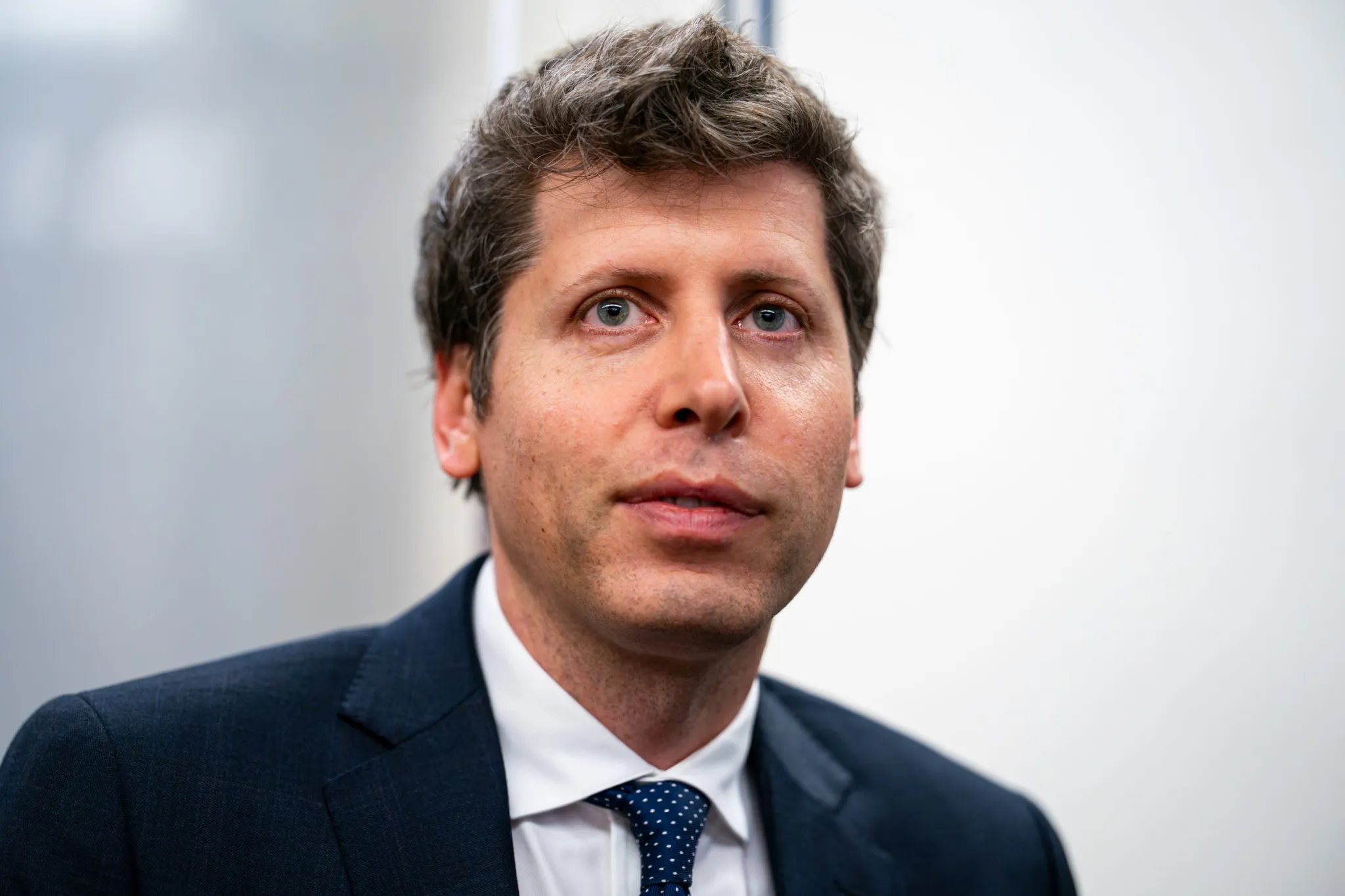
SAN FRANCISCO — OpenAI CEO Sam Altman has ruled out an initial public offering (IPO) for the company in 2026. Speaking in an interview on *Fortune’s* “Titans and Disruptors of Industry” podcast, Altman characterized a near-term IPO as “ill-advised” given the current societal and regulatory climate surrounding generative AI.
“I would say not 2026,” Altman said when asked about the company’s public market timeline. “Yeah, we got a lot of stuff to do, like meeting this moment of what is going to be required for safety and alignment, and how the industry and governments can work together.”
OpenAI is navigating a fundamental transition from its legacy non-profit-controlled structure to a traditional commercial for-profit benefit corporation. The restructuring is tied directly to the company’s financial obligations, including the historic $6.6 billion funding round it closed in October 2024 at a valuation of $157 billion.

Under the terms of that agreement, if OpenAI fails to complete its conversion into a for-profit entity within two years, its backers—including major investors such as Thrive Capital, Khosla Ventures, SoftBank, and Microsoft—retain the right to demand their capital back or convert their shares into debt.
The company’s safety record has also remained a focal point of industry debate since mid-2024, when OpenAI disbanded its “Superalignment” team. The group was tasked with mitigating the long-term, existential risks of artificial general intelligence (AGI).
That dissolution followed the departures of key safety leaders, including OpenAI co-founder Ilya Sutskever and team co-lead Jan Leike. Sutskever subsequently founded a rival startup, Safe Superintelligence (SSI), while Leike joined Anthropic, highlighting a deep talent rift over commercial pressures versus safety oversight.
The debate over the speed of AI development was reignited by the high-profile resignation of researcher Jacob Coxon from Anthropic, a primary rival of OpenAI. Coxon, who previously worked at OpenAI, publicly warned that leading AI developers are advancing the technology too quickly and failing to implement sufficient safety guardrails.
Anthropic CEO Dario Amodei issued public statements addressing safety protocols and industry standards. Altman acknowledged these concerns and suggested that top executives across the AI sector—including Amodei and Google DeepMind CEO Demis Hassabis—are likely to hold collective discussions to coordinate safety frameworks.
“I’m not going to pre-announce private discussions that I think should be at some point shared as a group,” Altman said. “But, yeah, I think that will happen.”
The decision to delay a public listing past 2026 comes at a critical juncture for the San Francisco-based company. By ruling out a 2026 IPO, Altman indicates that OpenAI intends to focus on navigating this restructuring and stabilizing its governance before facing the intense scrutiny of public equity markets.
By pushing its IPO timeline past 2026, OpenAI is choosing to resolve its structural and safety challenges privately, even as the broader venture capital market continues to fund rapid infrastructure growth across the AI industry.
Despite the governance challenges and delayed IPO timelines at the top of the market, private capital continues to pour into the broader AI ecosystem at a rapid pace. Nevada-based AI hardware and software developer Positron AI raised $875 million in a Series C funding round backed by NEA and Atreides Management.
Workflow reliability developer Temporal secured $550 million in a Series E round led by Lightspeed and Goldman Sachs Alternatives. High-performance networking company Cornelis raised $205 million, while Israeli construction AI platform Buildots closed a $130 million funding round.