
Apple Wallet vs. Google Wallet: The Hidden Divide in Digital Payments
Privacy, battery access, digital IDs, and payment design set Apple Wallet and Google Wallet apart
WASHINGTON — Mobile digital wallets have turned smartphones into hubs for financial transactions, public transit access, and government identity verification. Apple Wallet and Google Wallet support many of the same core functions, but their systems differ in privacy, hardware design, power management, and compliance with sovereign digital-ID rules.
The names are often treated as interchangeable with Apple Pay and Google Pay. In practice, wallet applications act as secure front-end containers for payment cards, transit passes, corporate badges, and digital keys, while the companion Pay services manage payment tokenization and terminal routing.


Apple’s wallet framework is built around hardware isolation. When a credit or debit card is added to Apple Wallet, it receives a unique Device Account Number stored in the iPhone’s chip-level Secure Element, a dedicated hardware enclave separate from the main processor.
Google Wallet takes a hybrid cloud approach. Card provisioning encrypts card data and stores payment credentials on Google’s secure servers, while the system issues virtual account numbers to point-of-sale terminals during transactions. Google also collects transaction metadata, including purchase timestamps and location data, to maintain user purchase histories within its app ecosystem.
At an Apple payment terminal, the company sends an encrypted, single-use dynamic security code to the merchant point-of-sale system. Apple does not store actual credit card numbers on its servers, and it does not track transaction histories or purchase line items on cloud infrastructure. Google’s cloud-based design supports browser management at wallet.google.com, where users can review passes and wallet contents online, a feature not supported by Apple’s device-bound architecture.
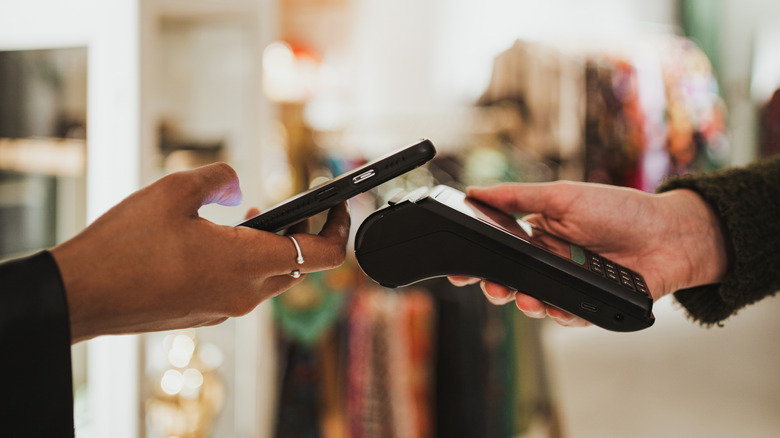
On an iPhone with Face ID, starting an in-store transaction requires double-clicking the physical side button, authenticating with facial recognition or a passcode, selecting a preferred card, and holding the device near the contactless terminal. Legacy iPhone models use a double-tap on the Touch ID home button. Newer iPhone models can also use hardware shortcuts, including the customizable Action Button, to invoke wallet features.
Android’s default Google Wallet card follows a background execution model. The user unlocks the powered smartphone with a fingerprint, facial scan, or PIN and holds it near the reader. Choosing a non-default card requires opening the Google Wallet application before tapping, while select Android devices, including specific Google Pixel hardware, support customizable double-press power-button shortcuts for faster card selection.
The difference is also visible when a phone loses power. Apple Wallet can maintain Express Card NFC transactions for up to five hours after an iPhone battery falls below operating levels and the phone turns off automatically. The feature uses residual reserve voltage isolated for the Secure Element and NFC controller.
Google Wallet’s Express Pay requires the Android display to retain power and maintain an active screen state. Payment and transit access become unavailable once the phone battery shuts down.
Both platforms support unauthenticated turnstile taps for mass transit systems, including New York’s Metropolitan Transportation Authority OMNY readers and London’s Transport for London network. Apple calls the function Express Mode, while Google calls it Express Pay.
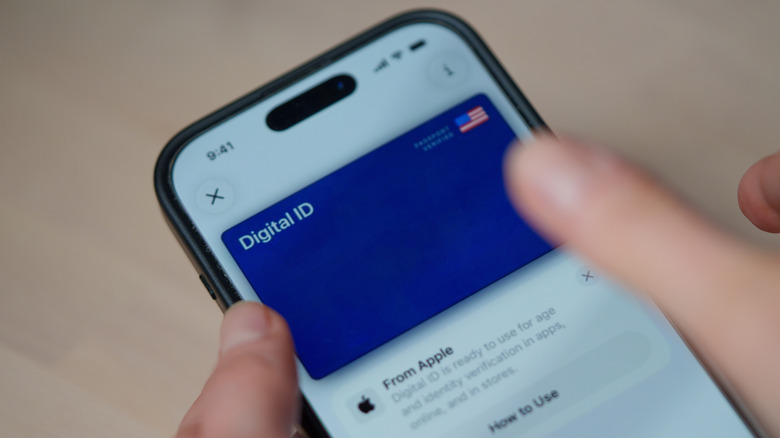
Digital identification remains fragmented in the United States, where adoption operates on a state-by-state basis rather than under a single federal directive. Apple Wallet and Google Wallet both support digital driver’s licenses compliant with ISO 18013-5 standards, and participating Transportation Security Administration airport checkpoints in states such as Arizona, Maryland, Colorado, and Georgia accept them.
Those digital state IDs are not yet full legal replacements for physical credentials during law enforcement stops or commercial identity checks. In certain jurisdictions, Google Wallet can also generate digital passes derived from passport data, but these function primarily as identity credentials for secondary verification rather than official travel documents recognized by border control authorities.
The United Kingdom has taken a different approach to official digital credentials. Government authorities developed the official “GOV.UK Wallet” application for national digital driver’s licenses and verified civil credentials, and designated it as the exclusive official platform for those documents. Native integration into commercial software such as Apple Wallet or Google Wallet is therefore bypassed.
Google Wallet still provides identity pass creation functionality in the UK market, but those entries lack formal recognition from state authorities.
Apple’s standardized pass system historically required merchants, airlines, and event issuers to build dedicated wallet support into their digital distribution channels using `.pkpass` files. The format produces consistent interface designs and enables automated real-time alerts, including dynamic flight-gate changes synchronized with paired Apple Watches. Newer iOS versions also support user-created custom passes for non-standard items.
Google Wallet accepts broader data inputs. It can automatically extract flight tickets, event passes, and loyalty confirmations from linked Gmail accounts, and its “Everything Else” tool uses optical character recognition software to turn photographs of physical gym memberships, library cards, parking permits, and insurance cards into digital wallet passes.
Both ecosystems extend to wearable hardware. Apple Wallet uses NFC hardware in the Apple Watch and is invoked with a side-button double-press, while Wear OS smartwatches run the native Google Wallet application.
The two platforms also support Car Connectivity Consortium Digital Key standards. Mobile devices can lock, unlock, and start compatible automobiles through Ultra-Wideband and NFC protocols, while encrypted access badges can be used for corporate office facilities and smart hotel room locks.